
Do You Cough Up Pebbles of Phlegm When You Quit Smoking? The Truth About Lung Health After Quitting
Do You Cough Up Pebbles of Phlegm When You Quit Smoking? The Truth About Lung Health After Quitting Tobacco
Introduction: Quitting smoking is a significant step towards improving your health, but it can come with unexpected challenges. One common issue many smokers encounter is coughing up phlegm, which can sometimes resemble pebbles. This article delves into the truth about lung health after quitting tobacco and why this phenomenon occurs.
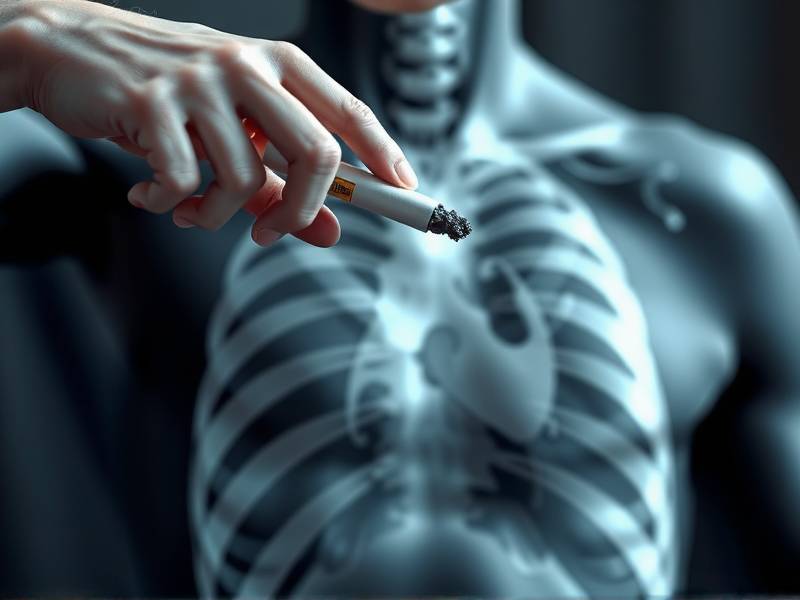
Understanding the Coughing Process
-
The Role of Nicotine Nicotine, the primary addictive substance in cigarettes, affects the respiratory system. When you quit smoking, your body starts to heal, and this healing process can trigger coughing as your lungs attempt to expel toxins.
-
Cilia and Mucus Production Your lungs have tiny hair-like structures called cilia that help move mucus out of the respiratory tract. Smoking damages these cilia, reducing their efficiency. When you stop smoking, your body tries to repair and regenerate these cilia, leading to increased mucus production and coughing.
Coughing Up Phlegm: A Sign of Healing
-
Removing Toxins The phlegm you cough up when quitting smoking is often thick and may contain impurities that have accumulated in your lungs over time. This indicates that your body is actively working to remove these toxins.
-
Healing Cilia As mentioned earlier, your body repairs and regenerates cilia after quitting smoking. This healing process often leads to increased mucus production as the cilia become more efficient in moving mucus out of the lungs.
How Long Does It Take for Your Lungs to Heal?
-
Immediate Benefits Within hours of quitting smoking, your blood pressure drops, heart rate decreases, and carbon monoxide levels in your blood start to decrease.
-
Long-term Healing It can take several months to a year for your lungs to fully heal after quitting smoking. During this time, you may experience varying degrees of coughing and phlegm production as part of the healing process.
Tips for Managing Coughing and Phlegm
-
Stay Hydrated Drinking plenty of water helps thin mucus and makes it easier to cough up.
-
Use Saline Sprays or Solutions Saline sprays or solutions can help moisten the airways and reduce irritation.
-
Exercise Regularly Physical activity promotes lung function and helps clear out trapped mucus.
-
Avoid Exposure to Irritants Minimize exposure to dust, pollen, smoke, or other irritants that can exacerbate coughing.
Conclusion: Coughing up pebbles of phlegm when you quit smoking is a sign that your body is actively healing its respiratory system from years of tobacco damage. While it may be uncomfortable at times, understanding the healing process can help you stay motivated on your journey towards better lung health after quitting tobacco.