
What Happens to Your Brain After You Quit Smoking?
"The Transformation of Your Brain Post-Quitting Smoking: Unveiling the Benefits"
Introduction: Quitting smoking is a monumental decision that can lead to a healthier lifestyle. However, many individuals are unaware of the profound changes that occur in their brains after they quit. This article delves into the fascinating transformation that takes place in the brain post-cessation of smoking, highlighting the numerous benefits that await those who take this life-changing step.
I. Immediate Benefits Post-Quitting Smoking
A. Improved Brain Function As soon as you quit smoking, your brain begins to recover from the harmful effects of nicotine. Within 48 hours, your brain function starts to improve, allowing for better concentration and memory.
B. Enhanced Oxygen Supply Smoking restricts blood flow and oxygen supply to the brain. After quitting, your brain receives more oxygen, leading to improved cognitive abilities and overall mental health.
II. Long-Term Benefits Post-Quitting Smoking
A. Reduced Risk of Neurodegenerative Diseases Long-term smoking can lead to neurodegenerative diseases such as Alzheimer's and Parkinson's. By quitting, you significantly reduce your risk of developing these conditions.
B. Improved Cognitive Function Within weeks of quitting smoking, you'll notice an improvement in your cognitive abilities, such as problem-solving skills and decision-making capabilities.
C. Enhanced Memory Your memory may have been affected by smoking; however, after quitting, you'll experience enhanced memory retention and recall.
III. The Role of Nicotine Replacement Therapy (NRT)
A. NRT as a Temporary Aid Nicotine replacement therapy can help alleviate withdrawal symptoms and make the quitting process more manageable for many individuals.
B. Gradual Reduction in Nicotine Dependency NRT aids in gradually reducing nicotine dependency while allowing your brain to adjust to a smoke-free lifestyle.
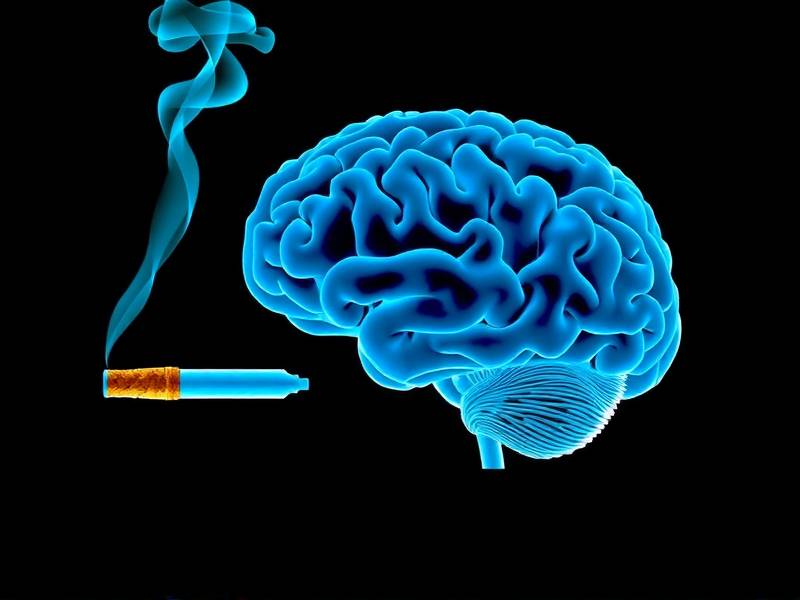
IV. Tips for Maintaining a Smoke-Free Life
A. Identify Triggers Identify situations or emotions that trigger your urge to smoke and develop strategies to cope with them effectively.
B. Seek Support Surround yourself with friends, family, or support groups who will encourage you throughout your journey towards a smoke-free life.
Conclusion: The journey towards quitting smoking is challenging but well worth it due to the numerous benefits it brings to both your body and mind. By understanding the transformative changes that occur in your brain post-quitting smoking, you'll be motivated to maintain a smoke-free life and enjoy improved mental health for years to come.