
Why Do My Legs Hurt Long After I Quit Smoking?
Understanding the Lingering Leg Pain After Smoking Cessation: A Comprehensive Guide
Introduction: Quitting smoking is a significant step towards a healthier lifestyle, but it's not uncommon to experience various side effects during the process. One such effect that many ex-smokers encounter is leg pain, which can persist even after the habit has been kicked for a considerable time. This article delves into why legs might hurt long after quitting smoking and provides insights into managing this discomfort.
The Connection Between Smoking and Leg Pain

-
Circulatory Issues Smoking can cause damage to blood vessels, leading to poor circulation. When you quit, your body begins to heal, but it may take time for blood flow to improve fully. This can result in leg pain or cramping, especially when walking or exercising.
-
Nerve Damage Nicotine is a stimulant that can affect nerve function. Over time, smoking can lead to nerve damage, which may manifest as tingling, numbness, or pain in the legs.
Why Does the Pain Persist Post-Quitting?
-
Body's Healing Process The body's healing process is gradual. Even though you've stopped smoking, it takes time for your body to repair any damage caused by years of smoking. This healing phase can sometimes be accompanied by discomfort.
-
Physical Activity Increase Many people find that they are more active after quitting smoking due to increased energy levels and motivation. This physical activity can exacerbate existing leg pain as the muscles work harder than they used to.
Managing Leg Pain Post-Quitting Smoking
-
Gradual Increase in Activity If you're experiencing leg pain due to increased physical activity, start slowly and gradually increase your exercise routine. This allows your body to adapt without overexerting itself.
-
Warm-Up Exercises Before engaging in any physical activity, warm up with light exercises to increase blood flow and prepare your muscles for activity.
-
Maintain a Healthy Diet A balanced diet rich in vitamins and minerals supports overall health and aids in the healing process.
-
Stay Hydrated Adequate hydration helps maintain healthy circulation throughout the body.
-
Consider Professional Advice If leg pain persists despite these measures or if you have concerns about your health post-quitting smoking, consult with a healthcare professional for personalized advice.
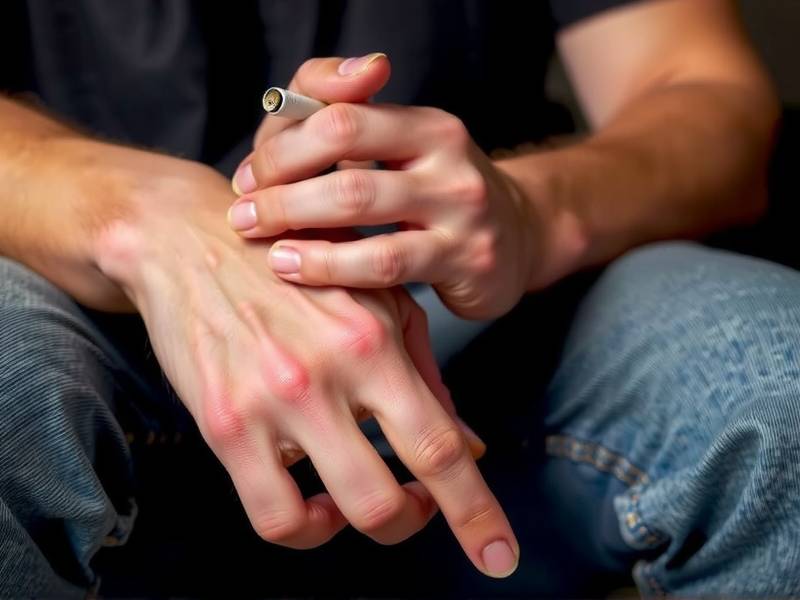
Conclusion: The journey of quitting smoking comes with its own set of challenges and side effects like leg pain that may linger post-cessation. By understanding these effects and taking appropriate steps to manage them, ex-smokers can improve their quality of life and continue on their path towards better health. Remember that patience is key during this transition period; give your body time to heal and adapt as you embark on this smoke-free journey.