
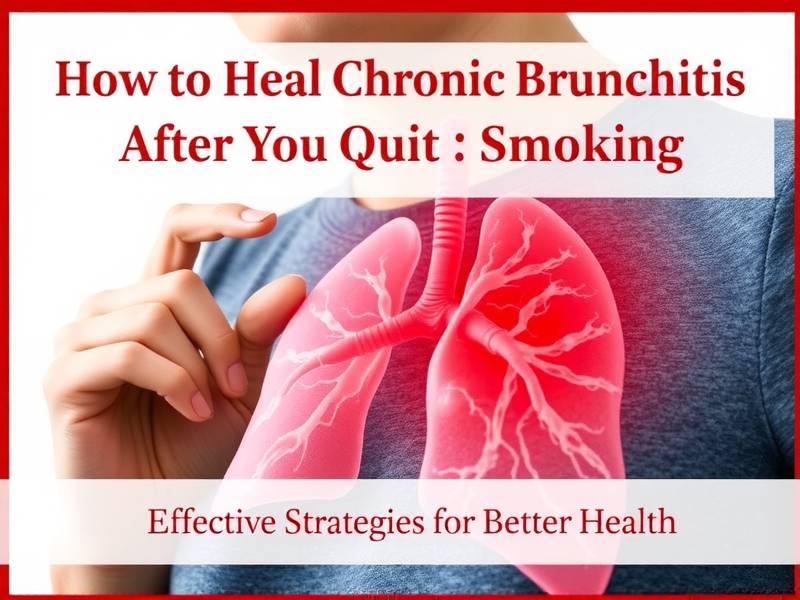
How to Heal Chronic Bronchitis After You Quit Smoking: Effective Strategies for Better Health
Introduction: The Journey to Recovery
Quitting smoking is a monumental step towards better health, and for those suffering from chronic bronchitis, it's a crucial turning point. Chronic bronchitis, characterized by long-term inflammation of the bronchi, often results from years of smoking. As you embark on your smoke-free journey, it's essential to understand how to heal your lungs and improve your overall health. This article delves into effective strategies to help you on this healing path.
Understanding Chronic Bronchitis
Chronic bronchitis is a type of chronic obstructive pulmonary disease (COPD), which also includes emphysema. It occurs when the airways in the lungs become inflamed and produce excess mucus, making breathing difficult. While quitting smoking is the first step in managing chronic bronchitis, there are several other measures you can take to promote healing and improve your quality of life.
The Importance of Quitting Smoking
Quitting smoking is vital for healing chronic bronchitis because tobacco smoke contains thousands of harmful chemicals that irritate and damage the airways. By ceasing this habit, you reduce inflammation and slow down the progression of the disease.
Strategies for Healing Chronic Bronchitis
1. Maintain Good Hygiene
Good hygiene practices can help prevent respiratory infections that may exacerbate chronic bronchitis symptoms. Regular hand washing and avoiding exposure to secondhand smoke are essential steps.
2. Stay Hydrated
Drinking plenty of fluids helps thin out mucus in your lungs, making it easier to expel through coughing or spitting.
3. Practice Breathing Exercises
Pursed-lip breathing and diaphragmatic breathing exercises can improve lung function by relaxing the muscles around the airways and increasing oxygen flow.
4. Use Inhaled Steroids
Inhaled steroids may be prescribed by your healthcare provider to reduce airway inflammation and help manage symptoms.
5. Consider Pulmonary Rehabilitation
Pulmonary rehabilitation programs offer a comprehensive approach to managing COPD, including exercise training, education, nutritional counseling, and support groups.
6. Monitor Your Symptoms
Regularly monitoring your symptoms can help you identify triggers or changes that may require adjustments in your treatment plan.
Lifestyle Changes for Long-Term Health
1. Adopt a Healthy Diet
Eating a balanced diet rich in fruits, vegetables, whole grains, lean proteins, and healthy fats can support lung function and overall health.
2. Exercise Regularly
Regular physical activity strengthens your respiratory muscles and improves lung capacity.
3. Manage Stress Levels
Stress can exacerbate symptoms of chronic bronchitis. Techniques such as meditation, yoga, or deep-breathing exercises can help manage stress levels.
Conclusion: Embrace Your New Smoke-Free Life
Healing from chronic bronchitis after quitting smoking requires patience and commitment. By implementing these strategies into your daily routine, you can improve your lung function and enhance your quality of life. Remember that every step towards better health is a victory worth celebrating on your smoke-free journey!