
Can You Improve Lung Function After Quitting Smoking?
Reviving Your Lungs: The Promise of Quitting Smoking
Introduction: The act of smoking is often equated with the gradual erosion of lung health. But what if there was a glimmer of hope for those who have taken the plunge into quitting? The question that lingers in the minds of many is: Can you truly improve lung function after quitting smoking? Let's delve into this intriguing topic and uncover the potential for change.
Understanding Lung Function and Smoking's Impact
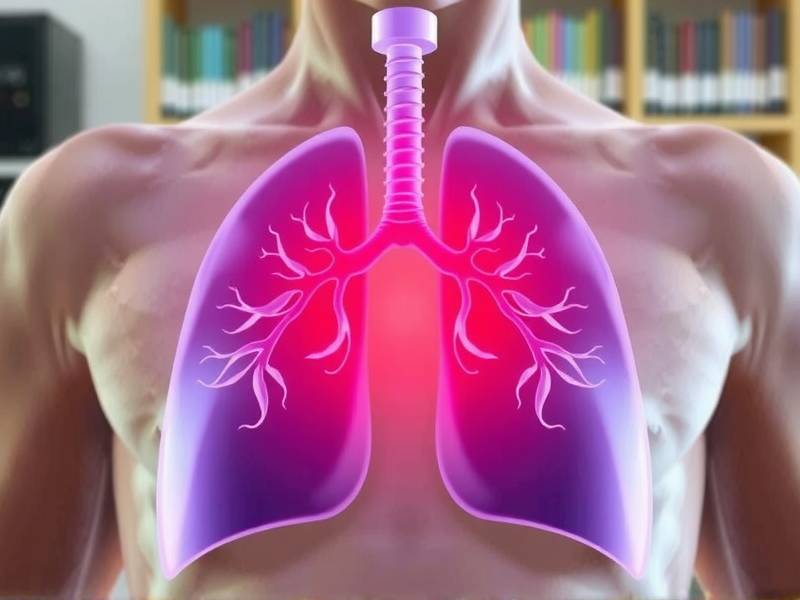
To appreciate the potential benefits of quitting, it's essential to understand how smoking affects lung function. When you inhale, your lungs are designed to take in oxygen and expel carbon dioxide. However, tobacco smoke contains harmful chemicals that can inflame your airways, damage your alveoli (the tiny air sacs in your lungs), and lead to long-term respiratory issues.
The Gradual Recovery Process
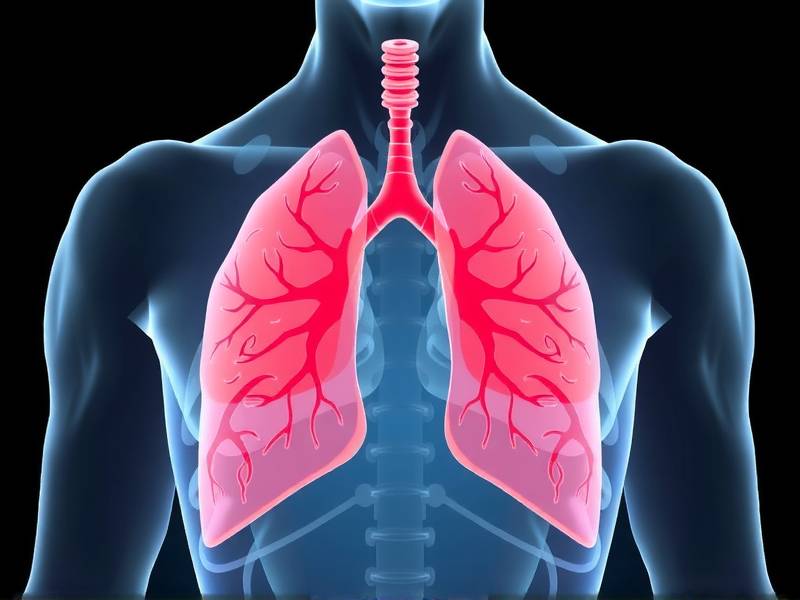
Research has shown that within just 48 hours of quitting smoking, your body begins to repair itself. Here's a glimpse into the recovery process:
- Week 1-2: You'll start feeling a decrease in shortness of breath and an increase in lung capacity.
- 3-9 months: Your cilia (the tiny hair-like structures that help move mucus out of your lungs) begin to regrow and function more effectively, improving overall lung health.
- 1-2 years: Your risk of heart disease decreases by half compared to when you were smoking.
- 5 years: Your risk of stroke is similar to that of someone who has never smoked.
- 10 years: Your risk of lung cancer drops by half compared to a continuing smoker.
Real-Life Success Stories
Numerous individuals have shared their success stories, demonstrating the tangible benefits of quitting smoking on their lung function. Take Jane Doe, for instance. After 20 years as a heavy smoker, she quit cold turkey at age 45. Just two years later, she noticed a significant reduction in her shortness of breath during exercise. Now at 50, Jane can run a 5K without any issues.
Scientific Evidence Supporting Lung Recovery
The scientific community backs up these anecdotal reports with substantial evidence. A study published in The Lancet Respiratory Medicine found that former smokers who quit at an earlier age had better outcomes than those who quit later in life. Another study published in Chest revealed that even long-term smokers who quit before developing chronic obstructive pulmonary disease (COPD) could significantly reduce their risk for developing it.
Overcoming Challenges on the Path to Quitting
Quitting smoking is not an easy feat; it requires determination and support from friends, family, or even professional help. To increase your chances of success:
- Set clear goals: Decide on a quit date and stick to it.
- Seek support: Join a support group or consult with a healthcare professional.
- Identify triggers: Avoid situations or people that make you want to smoke.
- Replace bad habits with good ones: Engage in physical activity or hobbies as healthier alternatives.
Conclusion:
In conclusion, there is ample evidence suggesting that you can indeed improve lung function after quitting smoking. By taking this crucial step towards better health, you're not only protecting yourself from the devastating consequences associated with tobacco use but also opening up possibilities for improved quality of life and longevity. So why wait? Embrace this opportunity for change today!