
How to Clean Your Lungs Fast After Quitting Smoking
How to Clean Your Lungs Fast After Quitting Smoking: A Comprehensive Guide
Introduction: Quitting smoking is a significant step towards a healthier life. However, the damage caused by years of smoking can take time to heal. Cleaning your lungs after quitting smoking is essential for regaining respiratory health. This article provides a comprehensive guide on how to clean your lungs fast after quitting smoking.
-
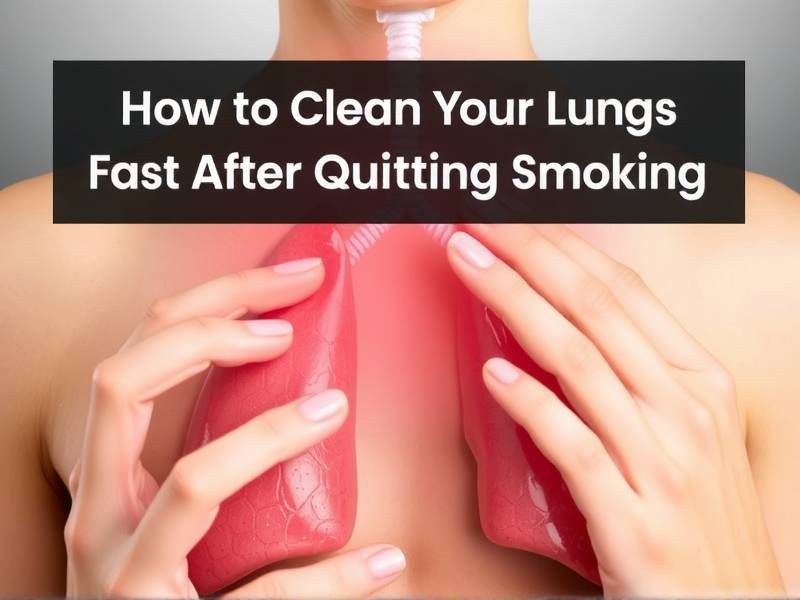
Understanding Lung Damage from Smoking Smoking causes various harmful chemicals to enter the lungs, leading to inflammation, cilia damage, and impaired lung function. It can result in chronic respiratory diseases such as chronic bronchitis, emphysema, and lung cancer.
-
The Importance of Lung Cleaning Cleaning your lungs after quitting smoking helps remove accumulated tar and toxins, improving lung function and reducing the risk of respiratory diseases. Here's how you can accelerate the process:
a) Increase Oxygen Intake One of the most effective ways to clean your lungs is by increasing oxygen intake. Engage in physical activities that promote deep breathing, such as walking, cycling, or swimming.
b) Practice Deep Breathing Exercises Deep breathing exercises can help improve lung capacity and remove trapped air in the lungs. Try the following exercises:
- Pursed Lip Breathing: Inhale deeply through your nose and exhale slowly through pursed lips.
- Diaphragmatic Breathing: Lie on your back with one hand on your chest and the other on your abdomen. Inhale deeply while allowing your abdomen to rise, then exhale slowly while pressing down on your abdomen.
c) Use Steam Therapy Steam therapy can help open up airways and remove mucus from the lungs. Add essential oils like eucalyptus or peppermint oil for added benefits.
d) Stay Hydrated Drinking plenty of water helps thin mucus in the lungs, making it easier to expel when coughing or sneezing.
e) Avoid Exposure to Pollutants Minimize exposure to secondhand smoke, dust, pollen, and other pollutants that can irritate your lungs.
f) Consider Supplements Vitamin C and beta-carotene have been shown to help repair lung tissue damaged by smoking. Consult with a healthcare professional before starting any new supplement regimen.
- Monitor Your Progress Regularly monitor your lung function by using a peak flow meter or consulting with a healthcare professional. Keep track of improvements in breathing capacity and overall well-being as you continue cleaning your lungs.
Conclusion: Cleaning your lungs after quitting smoking is an essential step towards improving respiratory health and reducing the risk of chronic diseases. By incorporating these strategies into your daily routine, you can accelerate lung healing and enjoy better quality of life as a non-smoker. Remember that patience is key; it may take time for full recovery, but the benefits are worth it!