
Does Laser Therapy Really Work for Quitting Smoking?
Introduction
The quest to quit smoking has led to numerous methods, from nicotine replacement therapies to cold turkey. Among these, laser therapy has gained attention as a non-invasive, alternative approach. But does it really work? Let's delve into the details.
Understanding Laser Therapy
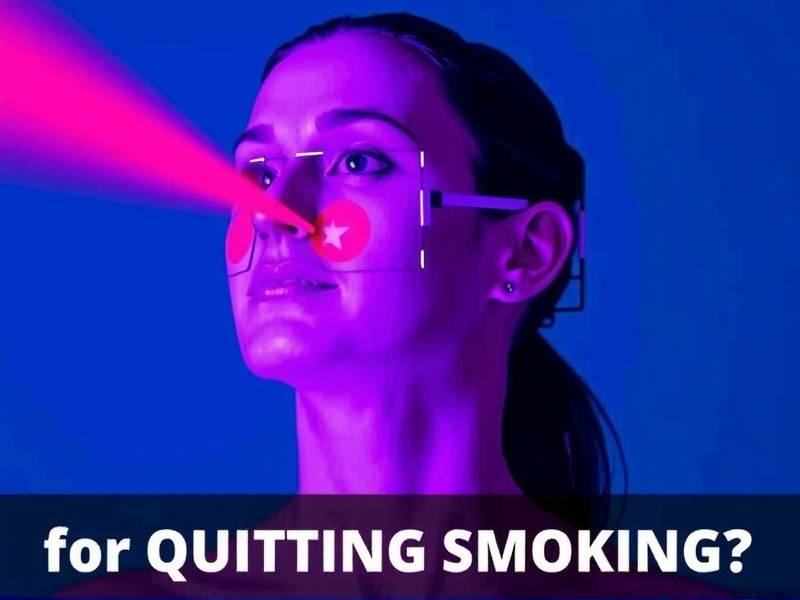
Laser therapy for smoking cessation involves using a low-level laser beam to stimulate specific points on the body. Proponents claim that this process helps reduce cravings and withdrawal symptoms.
The Science Behind It
The science behind laser therapy is not entirely clear. Some believe that it may stimulate the release of endorphins, which can help alleviate withdrawal symptoms. However, research in this area is limited, and more studies are needed to fully understand its mechanism of action.
Research Findings
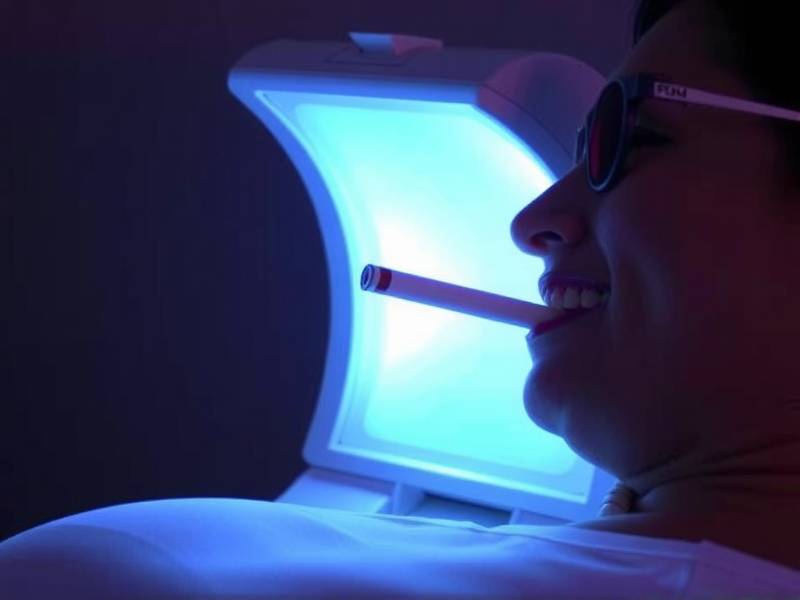
Several studies have been conducted to evaluate the effectiveness of laser therapy in smoking cessation. While some studies show promising results, others have found no significant difference between laser therapy and placebo treatments.
Promising Results
One study published in the Journal of Alternative and Complementary Medicine found that participants who received laser therapy were more likely to remain smoke-free at six months compared to those who received sham laser treatment.
Mixed Results
A review published in the Cochrane Database of Systematic Reviews concluded that there is insufficient evidence to support the effectiveness of laser therapy for smoking cessation. The review noted that while some studies showed benefits, others did not find any significant difference between laser therapy and control groups.
Considerations for Users
If you are considering laser therapy as a smoking cessation method, here are a few things to keep in mind:
Cost
Laser therapy can be expensive, with sessions typically ranging from $50 to $200 each. It's important to consider whether this investment is worth it for you.
Time Commitment
The number of sessions required varies depending on the individual and their level of nicotine dependence. Some may require only a few sessions, while others may need more extensive treatment.
Potential Side Effects
While generally considered safe, some individuals may experience mild side effects such as redness or swelling at the treatment sites. It's essential to discuss these potential risks with your healthcare provider before trying laser therapy.
Conclusion
While there is limited evidence supporting its effectiveness, some individuals may find laser therapy helpful in their journey to quit smoking. It's important to weigh the potential benefits against the costs and consult with your healthcare provider before deciding if it's right for you. Remember that quitting smoking is a personal journey, and what works for one person may not work for another.