
How Long After Quitting Smoking Will I Feel Better?
The Journey to Better Health: How Long After Quitting Smoking Will You Feel Improved?
Introduction: Quitting smoking is a significant decision that can lead to numerous health benefits. Many smokers wonder how long they will have to wait before they start feeling better. This article delves into the timeline of recovery and the factors that influence the speed of improvement after quitting smoking.
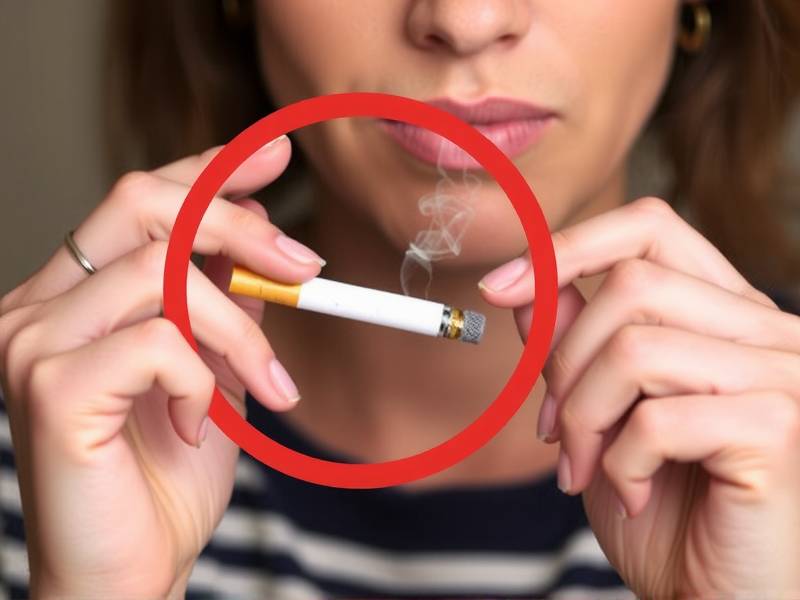
Section 1: Immediate Benefits When you quit smoking, you begin experiencing immediate benefits. Within minutes, your heart rate and blood pressure start to decrease. Additionally, your body begins to eliminate harmful chemicals from your bloodstream.
Section 2: Short-term Improvements In the first few weeks after quitting, you may notice some short-term improvements:
- Your sense of taste and smell may enhance.
- Your energy levels might increase as your body repairs damaged cells.
- You may experience fewer respiratory problems, such as coughing or shortness of breath.
Section 3: Medium-term Improvements After several months of quitting, you will start experiencing medium-term improvements:
- Your risk of heart disease begins to decrease.
- Your lung function improves as your respiratory system clears out tar and mucus.
- You may experience a reduction in stress and anxiety levels.
Section 4: Long-term Benefits The longer you stay smoke-free, the more significant the long-term benefits:
- Your risk of developing various cancers decreases.
- Your cardiovascular health improves, reducing the risk of heart attacks and strokes.
- You may notice an improvement in overall quality of life.
Factors Influencing Recovery Time: Several factors can influence how quickly you feel better after quitting smoking:
- Age: Younger individuals tend to recover faster than older smokers due to their bodies' ability to regenerate cells more efficiently.
- Duration of Smoking: The longer you smoked, the longer it may take for your body to recover fully.
- Nicotine Dependence Level: Smokers with a higher level of nicotine dependence might experience withdrawal symptoms for a longer duration.
- Support System: Having a strong support system, including friends, family, or a support group, can significantly impact your recovery journey.
Conclusion: Quitting smoking is a challenging yet rewarding journey towards better health. While immediate benefits are noticeable within minutes, it may take several months or even years for you to fully recover from the effects of smoking. By understanding the factors influencing recovery time and seeking support when needed, you can increase your chances of successfully quitting smoking and enjoying improved health outcomes.