
How to Improve Lung Capacity After Quitting Smoking: Effective Exercises and Strategies
"Enhancing Lung Capacity Post-Quitting Smoking: Effective Exercises and Strategies"
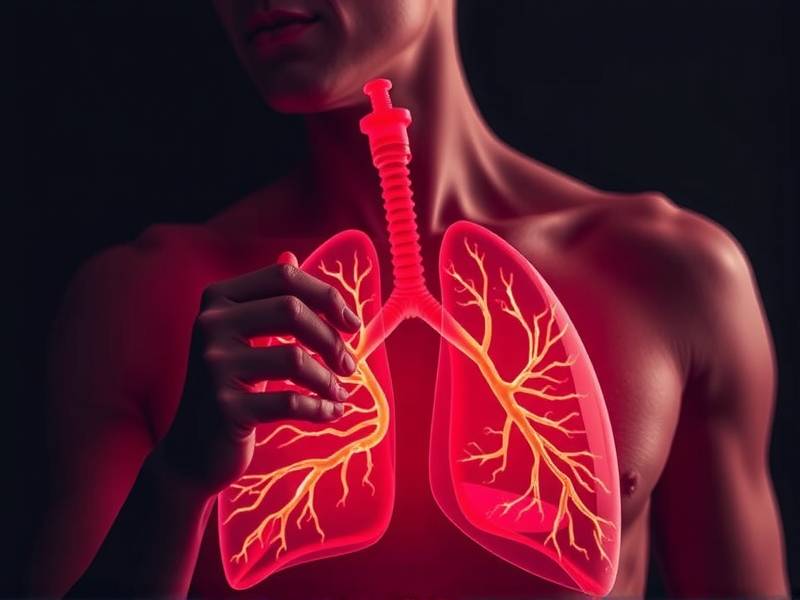
Introduction: Quitting smoking is a significant step towards a healthier life. However, the journey doesn't end there. Many former smokers seek ways to improve their lung capacity after years of smoking. This article delves into effective exercises and strategies to help you breathe easier and enhance your lung function post-quitting smoking.
Understanding Lung Capacity
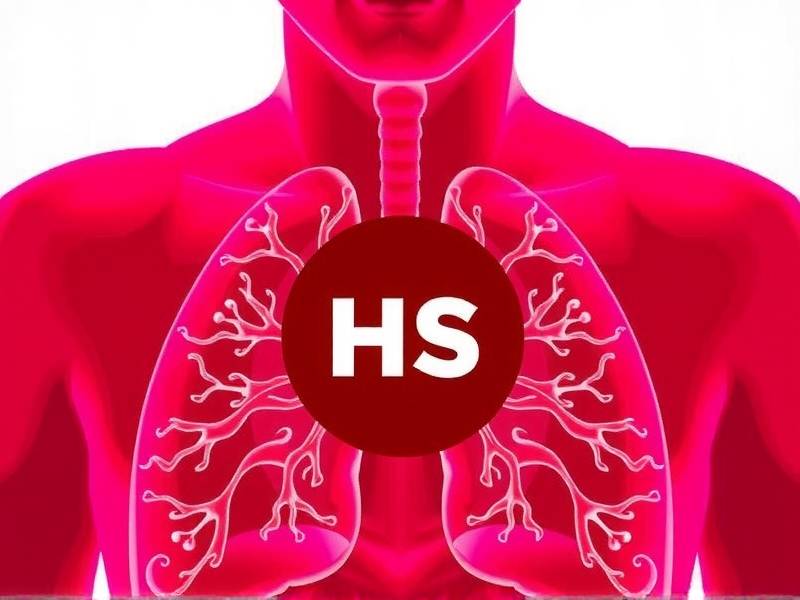
Before diving into exercises, it's crucial to understand what lung capacity is. Lung capacity refers to the maximum amount of air your lungs can hold. Smoking damages the lungs over time, reducing their capacity. By quitting smoking, you give your lungs a chance to heal and regain their strength.
Effective Exercises for Improved Lung Capacity
-
Pursed-Lip Breathing
- This technique helps in increasing lung capacity by encouraging deep breathing.
- Inhale through your nose and exhale slowly through pursed lips as if whistling.
- Repeat this exercise for several minutes daily.
-
Diaphragmatic Breathing
- The diaphragmatic breathing exercise focuses on engaging the diaphragm, improving lung capacity.
- Lie down on your back with one hand on your chest and the other on your abdomen.
- Inhale deeply through your nose while allowing your abdomen to rise.
- Exhale slowly through pursed lips while pressing gently on your abdomen.
-
Walking
- Regular walking increases lung capacity by promoting deeper breathing.
- Aim for at least 30 minutes of brisk walking daily.
-
Jumping Jacks
- Jumping jacks are an excellent cardiovascular exercise that helps in improving lung capacity.
- Perform 10-15 repetitions daily.
-
Pulmonary Rehabilitation Programs
- Consider joining a pulmonary rehabilitation program that combines exercises tailored to improve lung function.
Strategies for Enhancing Lung Capacity
-
Stay Hydrated
- Drinking plenty of water helps in maintaining healthy respiratory passages and improves lung function.
-
Avoid Pollutants
- Minimize exposure to pollutants such as dust, smoke, and chemicals that can irritate the lungs.
-
Eat a Healthy Diet
- A balanced diet rich in fruits, vegetables, whole grains, lean proteins, and healthy fats supports overall respiratory health.
-
Meditation and Breathing Techniques
- Practice meditation and deep breathing exercises to reduce stress levels, which can impact lung function.
Conclusion: Improving lung capacity after quitting smoking requires dedication and patience. By incorporating these exercises and strategies into your daily routine, you'll be well on your way to healthier lungs and a better quality of life. Remember that it's never too late to start taking care of yourself!