Can Skin Repair Really Happen After Quitting Smoking?
Can Skin Repair Really Happen After Quitting Smoking?
Introduction: Smoking has been linked to numerous health issues, including skin damage. Many smokers often wonder if their skin can repair itself after quitting the habit. In this article, we will explore the potential for skin repair after quitting smoking and discuss the factors that contribute to this process.
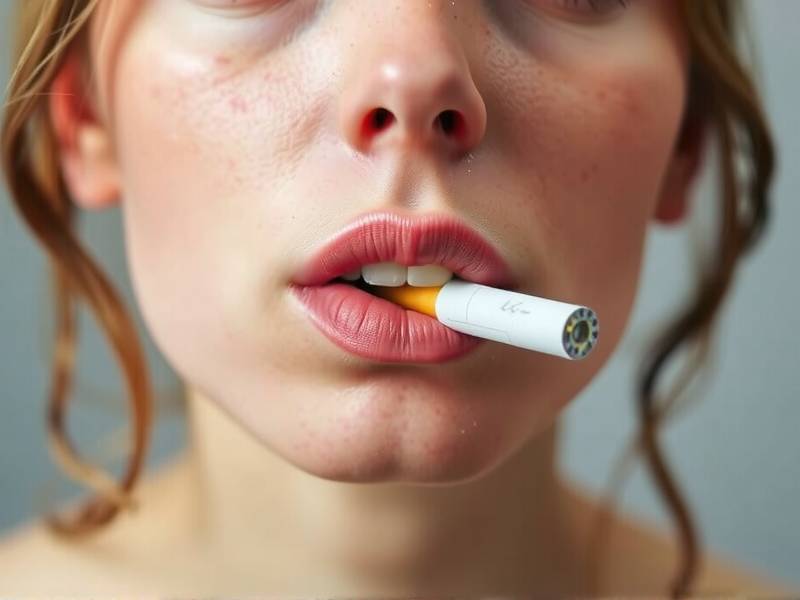
Section 1: Understanding Smoking-Induced Skin Damage Smoking affects the skin in several ways. It reduces blood flow, leading to a lack of oxygen and nutrients that are essential for healthy skin. This can result in dullness, dryness, and premature aging. Additionally, smoking increases the production of free radicals, which damage collagen and elastin, leading to sagging and wrinkles.
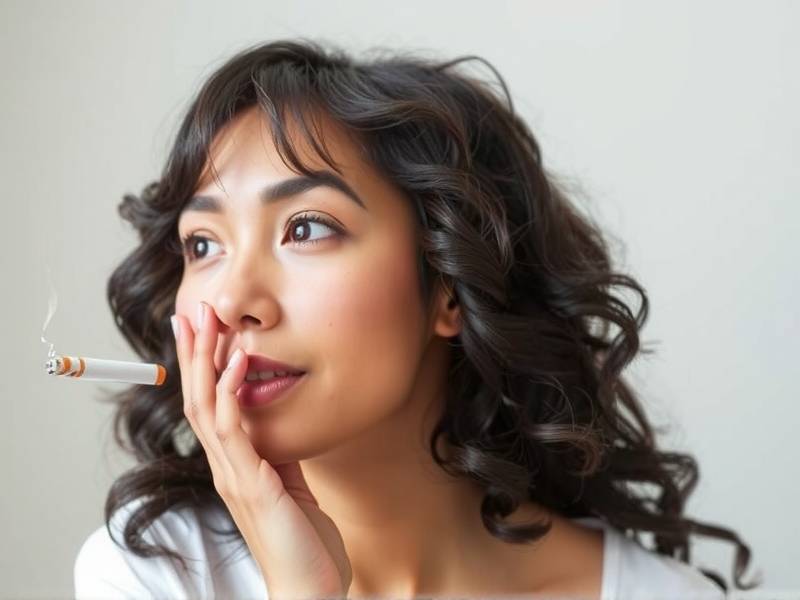
Section 2: The Process of Skin Repair When a person stops smoking, their body begins to repair some of the damage caused by tobacco use. Here's what happens:
-
Improved Blood Flow: As blood flow improves, more oxygen and nutrients are delivered to the skin cells. This helps in reversing some of the dullness and dryness caused by smoking.
-
Reduced Free Radical Damage: The body's natural defense mechanisms start working more effectively to neutralize free radicals. This can slow down the aging process and reduce the appearance of wrinkles.
-
Collagen and Elastin Production: With improved blood flow and reduced free radical damage, the body can produce more collagen and elastin, which are essential for maintaining elasticity and firmness in the skin.
Section 3: Factors Affecting Skin Repair The rate at which your skin repairs itself after quitting smoking depends on several factors:
-
Duration of Smoking: The longer you have smoked, the more significant the damage may be. However, even long-term smokers can see improvements in their skin's appearance after quitting.
-
Age: Younger individuals tend to have better healing capabilities than older individuals due to their higher metabolic rates.
-
Genetic Factors: Some people may have a genetic predisposition that affects how well their skin repairs itself.
-
Lifestyle Choices: Adopting a healthy lifestyle that includes proper nutrition, regular exercise, and adequate hydration can enhance your skin's ability to repair itself after quitting smoking.
Conclusion: While it is possible for your skin to repair itself after quitting smoking, it may take time depending on various factors such as age, duration of smoking, and genetic predisposition. By adopting a healthy lifestyle and giving your body time to heal, you can improve your skin's appearance significantly.
Remember that quitting smoking is not only beneficial for your skin but also for your overall health. For personalized advice on quitting smoking or improving your skincare routine post-quit, consult with a healthcare professional or dermatologist today!