
Does Quitting Smoking Really Help Your Bones?
Does Quitting Smoking Really Help Your Bones?
Introduction: When it comes to the health benefits of quitting smoking, the focus is often on heart disease, lung cancer, and other life-threatening conditions. However, many people may not realize that smoking can also have a significant impact on their bones. In this article, we will explore whether quitting smoking can really help improve bone health.
-
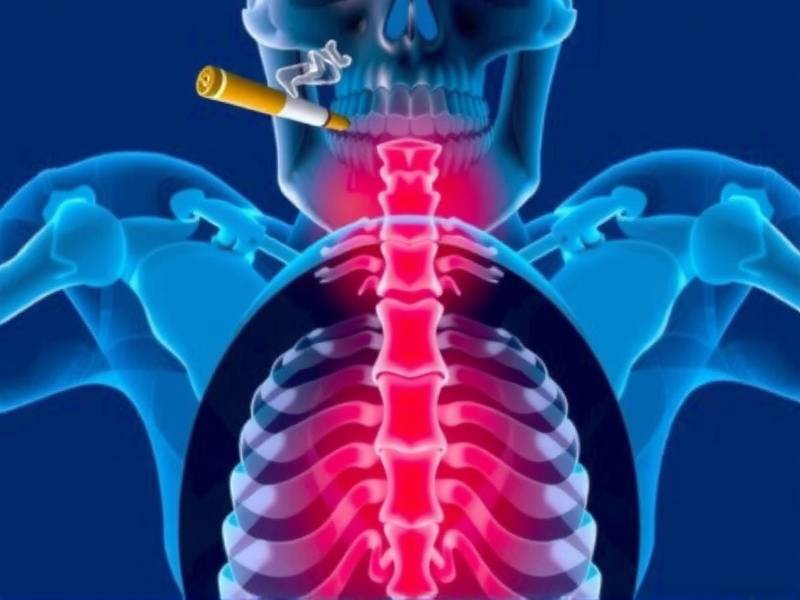
The Link Between Smoking and Bone Health Smoking has been proven to have detrimental effects on bone health. It can lead to reduced bone density, which increases the risk of osteoporosis and fractures. The chemicals in cigarettes interfere with the body's ability to produce and maintain healthy bones.
-
How Smoking Affects Bone Density When you smoke, harmful chemicals enter your bloodstream and reach your bones. These chemicals can interfere with the balance of calcium and phosphorus in your body, which are essential for maintaining bone density. Over time, this imbalance can lead to weaker bones.
-
Quitting Smoking: A Step Towards Better Bone Health The good news is that quitting smoking can significantly improve bone health. When you stop smoking, your body begins to repair some of the damage caused by nicotine and other harmful chemicals. Here's how:
- Improved blood flow: Quitting smoking increases blood flow throughout your body, including to your bones.
- Reduced inflammation: Smoking contributes to chronic inflammation throughout the body, which can harm bone health. Stopping smoking helps reduce this inflammation.
- Enhanced calcium absorption: Without nicotine interfering with calcium absorption, your body is better equipped to build strong bones.
-
The Timeframe for Bone Health Improvement It's important to note that the timeline for improved bone health after quitting smoking varies from person to person. Some individuals may notice improvements within a few months, while others might take several years.
-
Other Factors Influencing Bone Health While quitting smoking is a crucial step towards better bone health, it's essential to remember that other factors play a role as well:
- Diet: Ensuring an adequate intake of calcium and vitamin D is vital for maintaining strong bones.
- Physical activity: Regular exercise helps strengthen bones and reduce the risk of osteoporosis.
- Genetics: Family history can also influence your risk of developing osteoporosis.
Conclusion: Quitting smoking is not only beneficial for your heart and lungs but also for your bones. By reducing inflammation, improving blood flow, and enhancing calcium absorption, stopping smoking can significantly improve bone health over time. So if you're considering quitting for any reason at all, know that doing so could have long-lasting benefits for your overall well-being.