
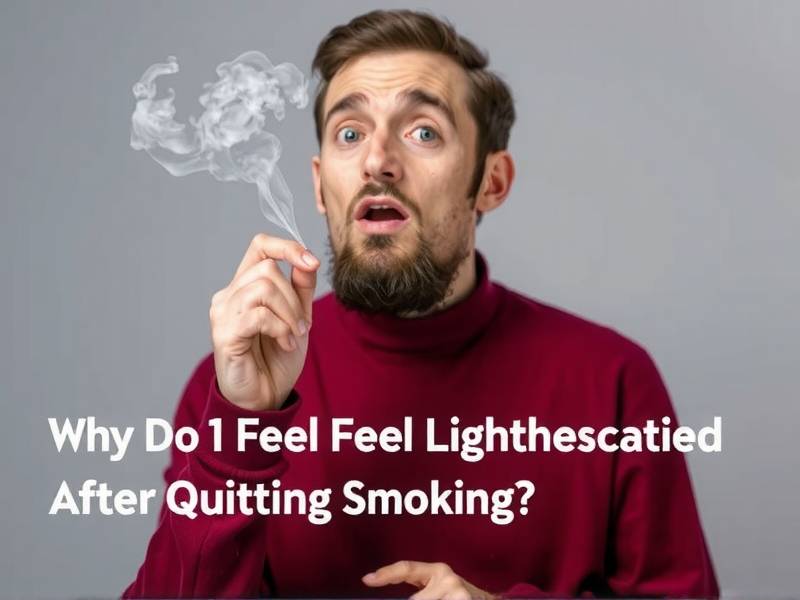
Why Do I Feel Lightheaded After Quitting Smoking?
Understanding the Lightheadedness Post-Quit Smoking: Causes and Coping Strategies
Introduction: Quitting smoking is a significant step towards improving one's health, but it often comes with a set of challenges. One common issue faced by many quitters is lightheadedness. In this article, we will explore the reasons behind this sensation and provide effective coping strategies to help you navigate through this phase.
Section 1: Causes of Lightheadedness After Quitting Smoking
-
Nicotine Withdrawal Nicotine is an addictive substance found in tobacco that affects the brain's reward system. When you quit smoking, your body experiences withdrawal symptoms, including lightheadedness. The sudden reduction in nicotine levels can lead to a temporary drop in blood pressure, causing dizziness.
-
Dehydration Smokers often tend to consume more caffeine and sugary drinks, which can lead to dehydration. When you quit smoking, your body may become more dehydrated, contributing to lightheadedness.
-
Changes in Blood Pressure The nicotine in cigarettes causes blood vessels to constrict, leading to increased blood pressure. As you quit smoking, your blood pressure may fluctuate, causing lightheadedness.
-
Sleep Disruption Smokers often experience sleep disturbances due to nicotine's stimulating effects on the nervous system. Quitting smoking can lead to improved sleep quality; however, some individuals may experience temporary sleep disruptions that result in lightheadedness upon waking up.

Section 2: Coping Strategies for Lightheadedness Post-Quit Smoking
-
Stay Hydrated Drinking plenty of water throughout the day can help combat dehydration and reduce the likelihood of experiencing lightheadedness.
-
Eat Healthily A balanced diet rich in fruits, vegetables, whole grains, and lean proteins can provide essential nutrients that support overall health and well-being.
-
Take Short Breaks from Activity If you feel lightheaded while engaged in physical activity or during periods of stress, take a few moments to rest and breathe deeply before resuming your activities.
-
Practice Relaxation Techniques Engaging in relaxation techniques such as deep breathing exercises or meditation can help manage stress and reduce the occurrence of lightheadedness.
-
Gradual Increase in Physical Activity Incorporating low-intensity exercises like walking or yoga into your daily routine can improve circulation and help alleviate dizziness caused by changes in blood pressure.
-
Consult Your Healthcare Provider If you experience persistent lightheadedness or other concerning symptoms after quitting smoking, it is essential to consult with a healthcare professional for personalized advice and guidance.
Conclusion: Lightheadedness is a common side effect of quitting smoking due to nicotine withdrawal and other physiological changes occurring within the body. By understanding the causes and implementing effective coping strategies, you can navigate through this phase more comfortably on your journey towards a smoke-free life. Remember that seeking support from friends, family members, or support groups can also provide additional encouragement during this challenging time.