
Does Quitting Smoking Affect Your Eyes? The Science Behind the Vision Changes
Introduction: The Pernicious Influence of Smoking on Eye Health
Smoking is a widely recognized health hazard, affecting nearly every organ in the body. One area that often goes overlooked is the eyes. Many smokers are curious about how quitting smoking can impact their vision. This article delves into the science behind the vision changes associated with smoking cessation.
The Link Between Smoking and Eye Health
Cataracts: A Cloud Over Your Vision
One of the most common eye conditions linked to smoking is cataracts. Cataracts occur when the lens of the eye becomes cloudy, leading to blurred vision and glare. According to research published by the National Eye Institute (NEI), smokers are 2 to 3 times more likely to develop cataracts than nonsmokers.
Age-Related Macular Degeneration (AMD): A Progressive Threat
Age-related macular degeneration (AMD) is another serious condition that can affect smokers. AMD occurs when the macula, a small area in the center of your retina, begins to deteriorate. This can lead to loss of central vision, making it difficult to read or see fine details.
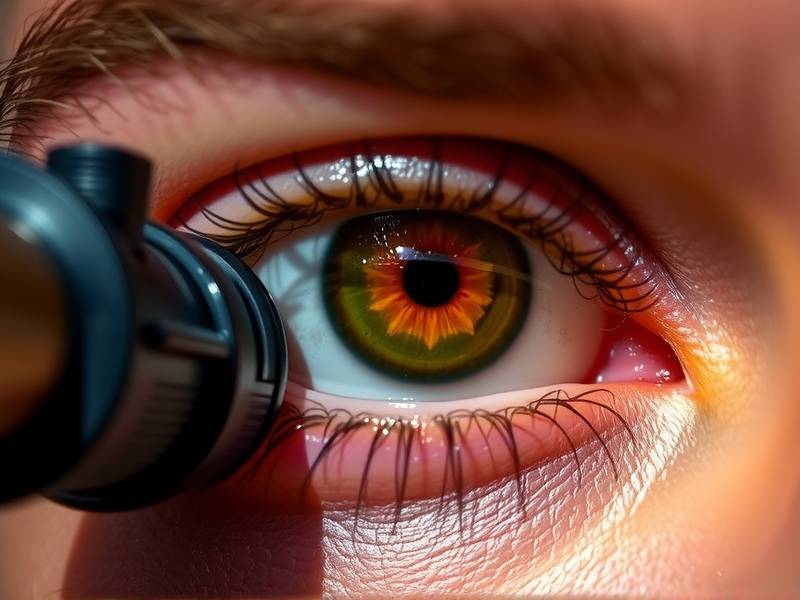
A study published in JAMA Ophthalmology found that current smokers had a 61% higher risk of developing early AMD compared to nonsmokers.
The Benefits of Quitting Smoking for Your Eyes
Improved Blood Flow and Oxygen Supply
When you quit smoking, your body starts repairing some of the damage caused by years of smoking. One significant change is an improvement in blood flow and oxygen supply throughout your body, including your eyes.

This increased blood flow can help reduce your risk of developing cataracts and AMD by providing essential nutrients and removing harmful waste products from your eyes.
Reduced Risk of Other Eye Conditions
Quitting smoking also reduces your risk of other eye conditions, such as glaucoma and diabetic retinopathy. These conditions are often caused by poor blood flow or damage to blood vessels in the eyes.
How Long Does It Take for Vision Improvement?
It's important to note that while quitting smoking can improve your eye health over time, it may not happen overnight. Research suggests that it takes approximately 5-10 years for a smoker's risk of developing age-related macular degeneration to decrease significantly compared to a nonsmoker's risk.
However, even if you've smoked for many years, quitting now can still have long-term benefits for your eye health.
Conclusion: Protect Your Vision by Quitting Smoking
In conclusion, quitting smoking has numerous benefits for your overall health, including improving your vision. By reducing your risk of cataracts, AMD, and other eye conditions, you're taking a significant step towards preserving your eyesight for years to come. So if you're considering quitting smoking, there's no better time than now!