
Does Your Heart Heal After You Quit Smoking?
Introduction: The Heart's Struggle with Smoking
Smoking is a habit that has been linked to numerous health issues, with the heart often bearing the brunt of its effects. As you consider the decision to quit smoking, one of the most pressing questions on your mind might be: "Does my heart have the ability to heal after I stop?" This article delves into the science behind heart recovery and provides insights into what you can expect.
The Damage Smoking Inflicts on Your Heart
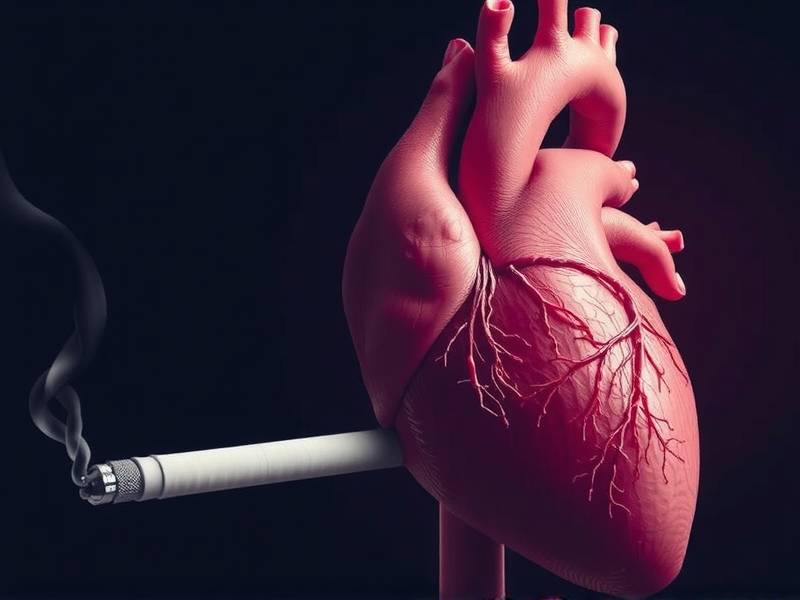
Firstly, it's important to understand how smoking affects your heart. The chemicals in cigarettes can lead to atherosclerosis, a condition where plaque builds up in your arteries, narrowing them and reducing blood flow. This can result in high blood pressure, heart attacks, and strokes.
The Journey to Recovery: Early Changes
When you quit smoking, your body begins an incredible journey of recovery. Within just 20 minutes of quitting, your heart rate and blood pressure start to drop as the body starts to clear out nicotine and other harmful substances. Over time, these changes continue:
1. Improved Blood Flow
Within 12 hours of quitting, carbon monoxide levels in your blood drop significantly. This allows more oxygen to reach your organs and tissues.
2. Reduced Risk of Heart Disease
Within 2-12 weeks after quitting, your risk of having a heart attack begins to drop as your cardiovascular system continues to heal.
3. Enhanced Endothelial Function
Endothelial cells line the inside of your arteries and are crucial for maintaining healthy blood flow. Within 6 months after quitting, these cells start functioning better.
Long-Term Healing: Years After Quitting
The healing process doesn't stop after just a few weeks or months; it continues for years after you quit smoking:
1. Decreased Risk of Heart Attack
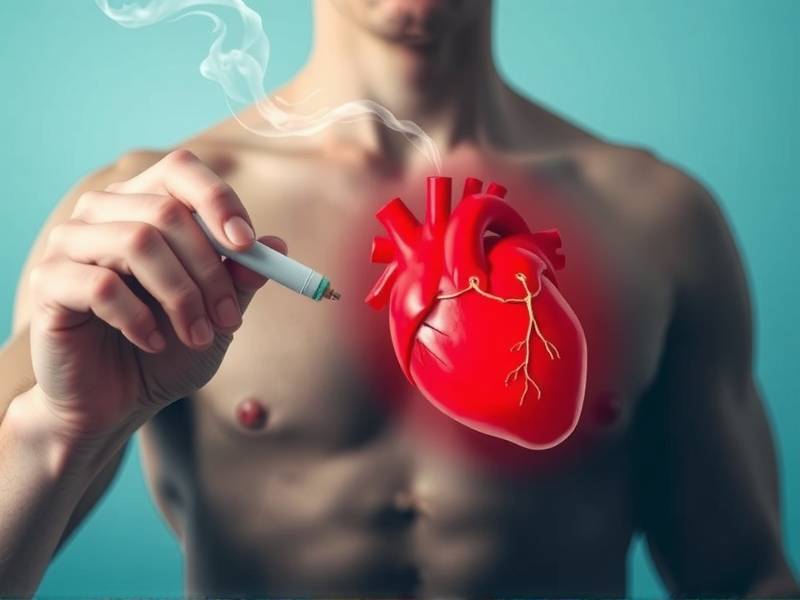
Within 1-2 years after quitting, your risk for a heart attack is about half that of a smoker's.
2. Improved Circulation
Your circulation improves over time as new blood vessels form and old ones are repaired.
3. Longevity Gains
Over time, the reduction in cardiovascular disease risk can lead to an extended life expectancy compared to continued smokers.
Final Thoughts: The Power of Quitting
The evidence is clear: quitting smoking is not only beneficial for your lungs but also for your heart. While healing takes time, every day without a cigarette brings you closer to improved health and well-being.
Remember that while these changes are promising, they do not negate the potential long-term damage caused by years of smoking. For those who have smoked heavily for many years, it may take even longer for their hearts to fully recover.
So if you're considering quitting smoking or have already taken that step towards a healthier lifestyle, know that there's hope for healing—your heart will thank you in more ways than one.