
How Will I Feel After I Quit Smoking?
Embracing a New You: The Emotional Journey After Quitting Smoking
Introduction: Quitting smoking is a significant decision that can transform your life in countless ways. While the physical benefits of quitting smoking are well-documented, the emotional journey you'll embark on can be equally profound. In this article, we'll explore how you might feel after you quit smoking and provide insights into the emotional journey that awaits you.
The Immediate Relief
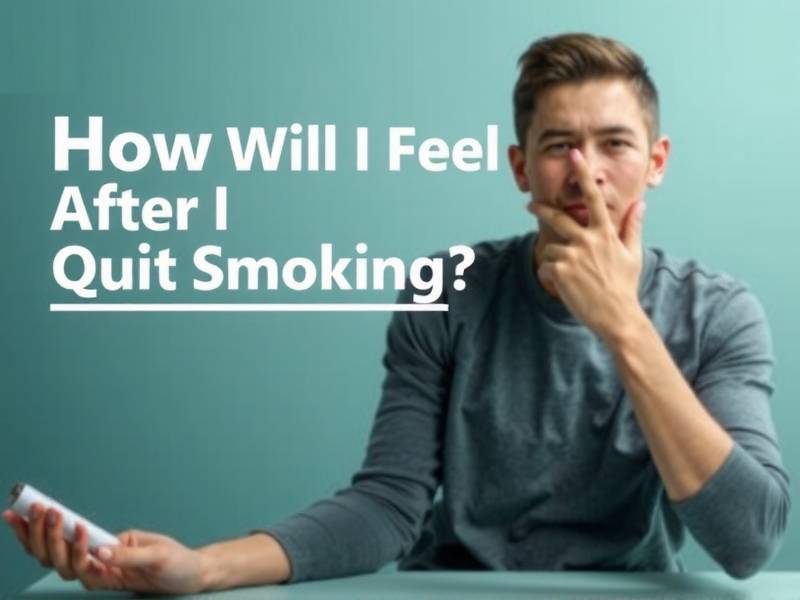
In the initial stages of quitting smoking, many individuals experience a sense of relief. As nicotine withdrawal subsides, you may notice improved breathing and clearer thinking. This newfound clarity can allow you to better appreciate the positive changes taking place in your life.
The Emotional Rollercoaster
As your body adjusts to life without nicotine, you may experience an emotional rollercoaster. Some common emotions include:
- Anxiety: Nicotine withdrawal can cause anxiety and irritability in some individuals.
- Depression: Quitting smoking may bring up feelings of sadness or depression, as it represents a significant change in your lifestyle.
- Confusion: The initial days and weeks after quitting can be challenging, as your body adjusts to its new nicotine-free state.
Remember that these emotions are temporary and a natural part of the quitting process.
The Positive Transformation
As time progresses, many individuals report positive changes in their emotional well-being:
- Increased Energy: Without the constant need to smoke, you'll likely find yourself with more energy to engage in activities and hobbies.
- Improved Self-Esteem: Quitting smoking can boost your self-esteem as you take control of your health and well-being.
- Enhanced Relationships: As your health improves, so will your relationships with family and friends.
Tips for Managing Emotions
To navigate the emotional journey after quitting smoking, consider these tips:
- Seek Support: Joining a support group or speaking with a therapist can provide valuable guidance during this transition.
- Stay Active: Regular exercise can help alleviate stress and improve mood.
- Focus on Goals: Remind yourself of the reasons why you quit smoking and how it's improving your life.
Conclusion:
Quitting smoking is not just about overcoming physical addiction; it's also about embracing an emotional transformation that leads to a healthier, happier life. By understanding what to expect emotionally during this journey, you'll be better equipped to navigate any challenges that arise along the way.

As always, if you're considering quitting smoking or need additional support, consult with healthcare professionals for personalized advice and resources tailored to your needs.
(Note: The information provided in this article is intended for general knowledge purposes only and should not replace professional medical advice.)