
How Long Will It Take for Your Lungs to Stop Producing Mucus After Quitting Smoking?
The Journey to Clearer Lungs: How Long Does It Take for Your Lungs to Stop Producing Mucus After Quitting Smoking?
Introduction: The decision to quit smoking is a significant step towards better health. One common concern among smokers is the time it takes for their lungs to clear out mucus post-cessation. This article delves into this topic, offering insights into the process and helping you understand what to expect on your journey to healthier lungs.
Understanding Mucus Production in Smokers: Before we explore how long it takes for your lungs to stop producing mucus after quitting smoking, it's important to understand why smokers often experience excessive mucus production. Tobacco smoke irritates the respiratory tract, leading to inflammation and an increase in mucus production as the body tries to protect itself.
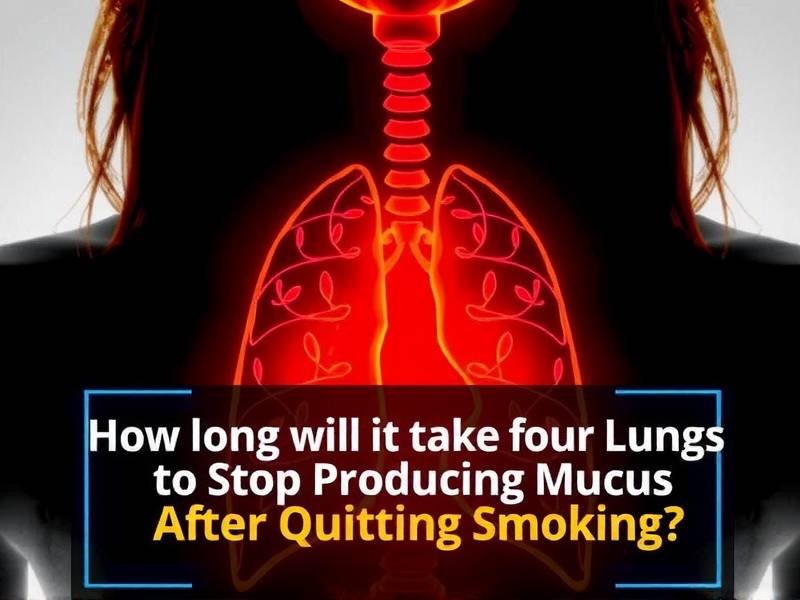
The Timeline of Lung Recovery:
-
Immediate Benefits: As soon as you quit smoking, your body begins the healing process. Within hours, carbon monoxide levels drop, and oxygen levels in your blood increase. However, this doesn't necessarily translate into a decrease in mucus production.
-
Weeks 1-3: During this period, you may notice a slight decrease in coughing and phlegm production. Your lungs are still working hard to clear out tar and other harmful substances accumulated over time.
-
Weeks 4-12: As your body continues its healing process, you'll likely experience more significant improvements. Coughing may become less frequent, and phlegm might become thinner and easier to expel.
-
Months 1-2 Years: It can take several months for your lungs to fully recover from smoking-related damage. During this time, you may continue to experience changes in mucus production until it reaches a more normal level.
-
Years 2-5: After about two years of not smoking, most of the inflammation caused by tobacco smoke should subside, resulting in further improvements in lung function and reduced coughing.
-
Long-term Benefits: Over time, continuing not to smoke can lead to even healthier lungs with lower risks of chronic obstructive pulmonary disease (COPD), lung cancer, and other respiratory issues.
Tips for Supporting Lung Recovery:
- Stay Hydrated: Drinking plenty of water helps thin mucus and makes it easier for your body to expel it.
- Exercise Regularly: Physical activity improves lung function and promotes overall health.
- Avoid Exposure: Minimize exposure to secondhand smoke and air pollution.
- Seek Professional Advice: Consult with a healthcare provider if you have concerns about your lung health or if you're experiencing persistent symptoms.
Conclusion: The journey towards clearer lungs after quitting smoking can vary from person to person but generally takes several months up to several years. By staying hydrated, exercising regularly, avoiding exposure risks, and seeking professional advice when needed, you can support your body's natural healing process and improve your lung health over time.