
Do Lungs Really Repair Themselves After You Quit Smoking?
The Healing Power of Quitting Smoking: Can Lungs Really Repair Themselves?
Introduction: The decision to quit smoking is one of the most significant steps an individual can take for their health. While many people are aware of the immediate benefits, such as improved taste and smell, the question remains: Do lungs really repair themselves after you quit smoking? In this article, we will explore the healing process of the lungs and provide insights into how quitting smoking can lead to a healthier respiratory system.
Understanding Lung Damage Smoking is a leading cause of lung disease, including chronic obstructive pulmonary disease (COPD), emphysema, and lung cancer. The harmful chemicals in cigarettes damage the delicate tissues of the lungs, leading to inflammation and scarring.
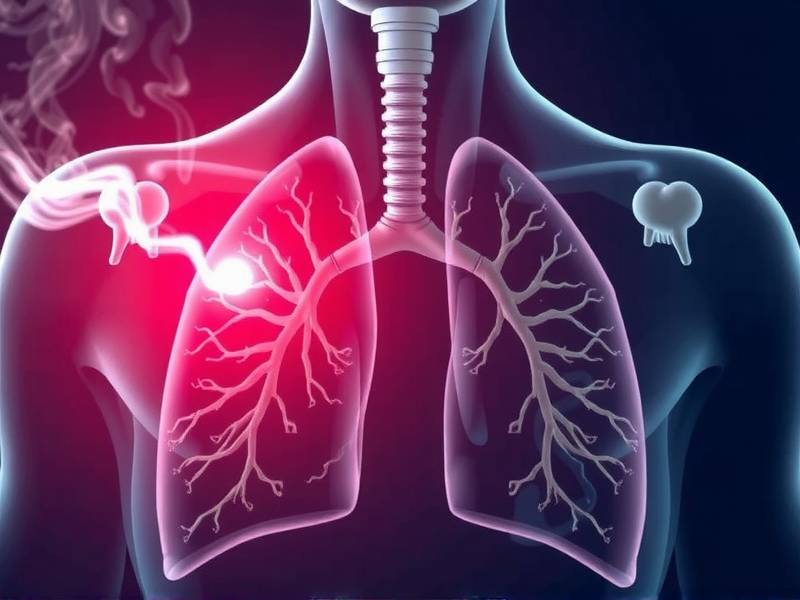
The Healing Process When you quit smoking, your body begins a remarkable process of healing. Here's what happens:
- Immunological Response: Within hours after quitting, your immune system starts to recover from the constant exposure to toxic chemicals.
- Cilia Restoration: Cilia are tiny hair-like structures that line the respiratory tract and help move mucus out of the lungs. Quitting smoking allows these cilia to regenerate and function more effectively.
- Reduced Inflammation: Over time, inflammation in the lungs decreases as your body repairs damaged tissues.
- Scarring Reduction: While some scarring is permanent, research suggests that quitting smoking can help slow down or even reverse some of this scarring.
Timeframe for Repair The rate at which your lungs repair depends on various factors, including your age, overall health, and how long you have smoked. Here's a general timeline:
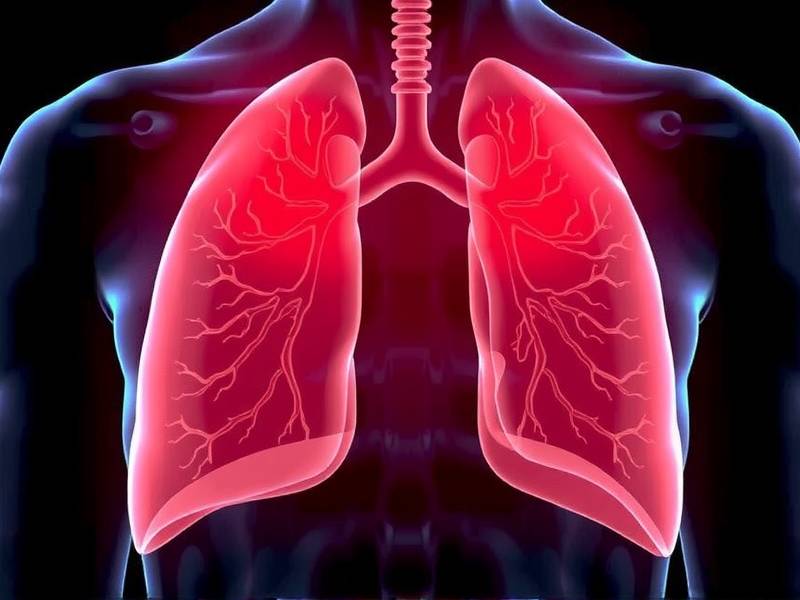
- First Year: You may notice improvements in lung function within a few months after quitting.
- Five Years: Your risk of heart disease decreases significantly.
- Ten Years: Your risk of lung cancer drops by half compared to someone who continues to smoke.
- Twenty Years: Your risk of lung cancer approaches that of someone who has never smoked.
Real-Life Success Stories Numerous individuals have experienced remarkable improvements in their respiratory health after quitting smoking. One such story is that of John Doe (not his real name), who smoked for 20 years before deciding to quit:
"After quitting smoking five years ago, I noticed a significant improvement in my breathing. I used to get out of breath easily doing simple tasks like walking up stairs or gardening. Now, I feel like I have a new lease on life."
Conclusion: In conclusion, while it's impossible to fully reverse all damage caused by smoking, quitting can lead to significant improvements in lung health over time. The healing process varies from person to person but offers hope for those looking to improve their quality of life.
If you're considering quitting smoking or know someone who is, encourage them to take that first step towards better health. Remember: It's never too late!