
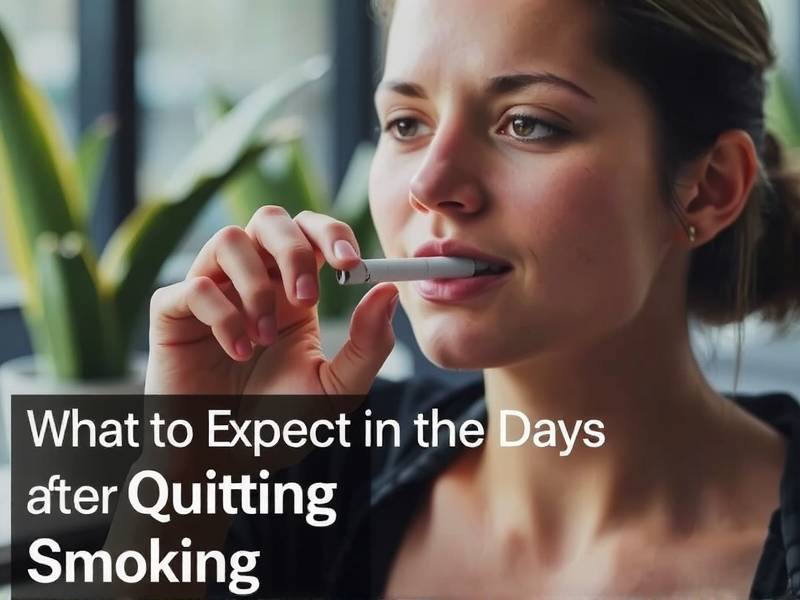
What to Expect in the Days After Quitting Smoking
Navigating the Post-Quitting Smoking Journey: What to Expect
Introduction: Quitting smoking is a significant step towards a healthier life, but the journey doesn't end with the last cigarette. Understanding what to expect in the days after quitting smoking can help you navigate this new phase with confidence and ease. This article will guide you through the common experiences you might face and provide tips for making this transition as smooth as possible.
Understanding Withdrawal Symptoms

-
Physical Symptoms
- Coughing and Breathing Issues: As your body clears out tar and other harmful substances, you may experience an increase in coughing and breathing difficulties.
- Headaches: Nicotine withdrawal can lead to headaches due to changes in brain chemistry.
- Increased Appetite: Many smokers find their appetite increases after quitting, often leading to weight gain.
-
Mental Symptoms
- Anxiety and Irritability: Withdrawal from nicotine can cause mood swings, including anxiety and irritability.
- Sleep Disturbances: You may have trouble sleeping or experience vivid dreams.
Long-Term Benefits of Quitting Smoking
-
Improved Lung Function
- Within weeks of quitting, your lung function begins to improve, making it easier to breathe.
-
Heart Health
- Your heart health will start improving as soon as you quit smoking, reducing your risk of heart disease.
-
Better Skin and Oral Health
- Over time, you'll notice improvements in your skin's texture and color, along with fresher breath.
Strategies for Managing Withdrawal
-
Stay Hydrated
- Drinking plenty of water can help flush out toxins from your body and reduce withdrawal symptoms.
-
Exercise Regularly
- Physical activity increases blood flow and reduces stress levels, making it easier to cope with withdrawal symptoms.
-
Seek Support
- Joining a support group or seeking counseling can provide emotional support and practical advice during this challenging time.
-
Identify Triggers
- Recognize situations that trigger your desire to smoke and plan how to cope with them effectively.
-
Reward Yourself
- Set milestones for yourself and reward them with activities or treats that don't involve smoking.
Conclusion: Quitting smoking is a journey filled with challenges but also opportunities for significant health improvements. By understanding what to expect in the days after quitting smoking, you can better prepare yourself for these changes. Remember that patience is key; it takes time for your body to heal from years of tobacco use. Stay committed, seek support when needed, and celebrate each step forward on this path towards a healthier life.