
Is It Normal to Sleep a Lot After Quitting Smoking?
Understanding the Surprising Sleep Pattern Shift After Smoking Cessation
Introduction
Quitting smoking is a significant step towards a healthier lifestyle. However, many individuals experience unexpected changes in their sleep patterns after they quit. If you're wondering, "Is it normal to sleep a lot after quitting smoking?" this article delves into the reasons behind this phenomenon and offers insights into how to navigate these changes.
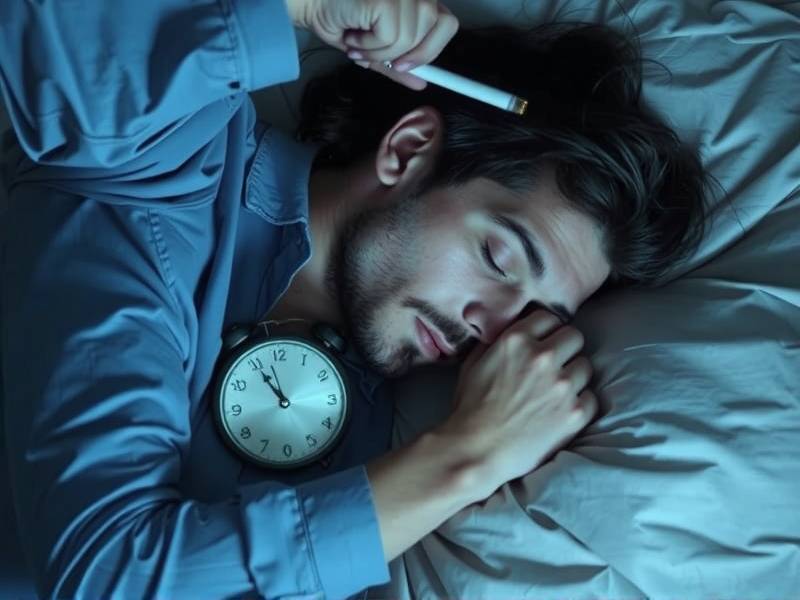
Section 1: Why Do People Sleep More After Quitting Smoking?
- Nicotine Withdrawal
Nicotine, the primary addictive substance in cigarettes, affects the brain's neurotransmitters and can disrupt sleep patterns. When you quit smoking, your body starts to readjust to nicotine withdrawal, which can lead to increased drowsiness and an urge to sleep more.
- Improved Oxygen Supply
Smoking reduces the oxygen supply to your body's tissues, including those in your brain. Quitting smoking allows for improved oxygen circulation, which can enhance cognitive function and energy levels but also result in more restful sleep.
- Reduced Stress Levels
Smoking is a stress-relieving activity for many people. When you stop smoking, your body may experience increased stress levels initially. This stress can manifest as an increased need for sleep as your body adjusts to the new normal.
- Hormonal Changes
The hormonal fluctuations that occur when you quit smoking can also contribute to changes in sleep patterns. For example, nicotine withdrawal can increase cortisol levels, leading to disrupted sleep.
Section 2: How Can You Adjust Your Sleep Pattern After Quitting Smoking?
- Establish a Consistent Sleep Schedule
Creating a consistent bedtime routine and sticking to it can help regulate your sleep-wake cycle and reduce the impact of nicotine withdrawal on your sleep.
- Create a Relaxing Bedtime Routine
Incorporate relaxation techniques such as meditation or deep breathing exercises into your bedtime routine to help calm your mind and promote better sleep.
- Stay Active During the Day
Regular physical activity during the day can improve overall energy levels and help prevent excessive daytime drowsiness caused by nicotine withdrawal.
- Avoid Stimulants Before Bedtime
Stay away from caffeine, nicotine, and other stimulants close to bedtime as they can interfere with your ability to fall asleep or stay asleep throughout the night.
- Seek Professional Help if Needed
If you continue experiencing significant sleep disturbances after quitting smoking, consider seeking advice from a healthcare professional who can provide personalized guidance and treatment options.
Conclusion
It is normal to experience changes in your sleep pattern after quitting smoking due to nicotine withdrawal, improved oxygen supply, reduced stress levels, and hormonal fluctuations. By implementing healthy habits and seeking professional help if needed, you can navigate these changes and achieve restful nights of sleep on your journey towards a smoke-free life.