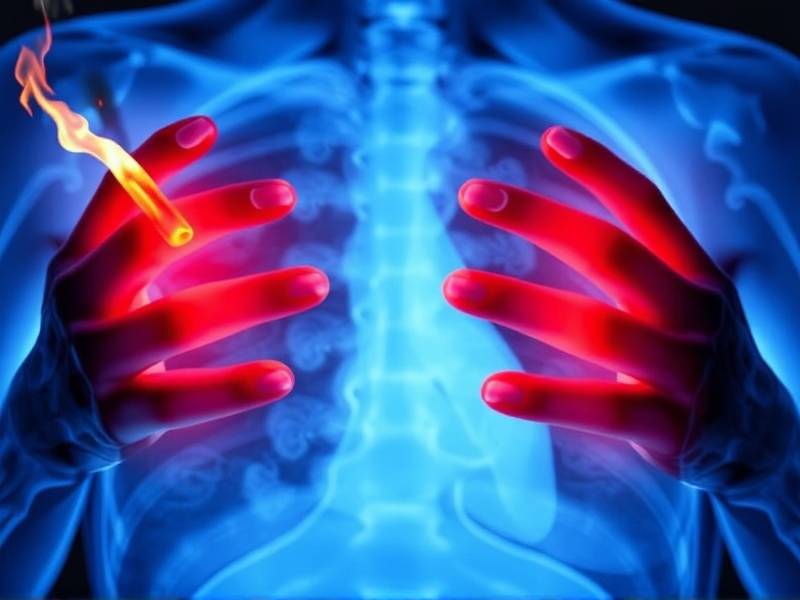
Will Gastritis Improve After Quitting Smoking?
Understanding Gastritis
Gastritis, an inflammation of the lining of the stomach, can manifest in various forms and severity levels. It's a condition that can be caused by numerous factors, including chronic alcohol use, certain medications, and, yes, smoking. The burning sensation in the stomach or pain after eating are common symptoms.
The Link Between Smoking and Gastritis
Smoking is well-known to have detrimental effects on the body. One such effect is its impact on the stomach lining. Nicotine in cigarettes can cause the stomach to produce more acid than usual. This excess acid can lead to irritation of the stomach lining, potentially leading to gastritis.
Quitting Smoking: A Step Towards Healing
Given this link between smoking and gastritis, quitting smoking becomes a significant step towards healing. When you stop smoking, your body begins to repair itself almost immediately. Here's how quitting smoking can help improve gastritis:
1. Reduced Stomach Acid Production
As soon as you quit smoking, your body starts reducing its production of stomach acid. This decrease in acid helps alleviate the inflammation and pain associated with gastritis.
2. Improved Blood Flow
Quitting smoking also improves blood flow throughout your body, including to your stomach lining. Better blood flow means more oxygen and nutrients are delivered to your stomach cells, aiding in their repair.
3. Enhanced Immune Response
Smoking suppresses your immune system's ability to fight off infections and inflammation. By quitting smoking, you're giving your immune system a chance to work more effectively against gastritis.
Timeframe for Improvement
The timeframe for improvement varies from person to person. Some may notice immediate relief from symptoms within a few days of quitting smoking, while others may take several months or even years for their gastritis symptoms to completely resolve.
Tips for Quitting Smoking
Quitting smoking isn't easy, but it's worth it for your health—especially if you have gastritis. Here are some tips that might help:
- Seek Support: Joining a support group or finding a quit-smoking buddy can provide encouragement.
- Identify Triggers: Be aware of situations or emotions that might make you want to smoke and have strategies ready.
- Reward Yourself: Set small goals and reward yourself when you achieve them.
- Consider Medication: Over-the-counter or prescription medications can help reduce withdrawal symptoms.
Conclusion
In conclusion, quitting smoking is an essential step towards improving gastritis symptoms. While it might take time for all symptoms to disappear completely, making this lifestyle change is beneficial for both your stomach health and overall well-being.
Remember that everyone's journey is unique—what works for one person may not work for another. It's important to be patient with yourself and seek professional advice when needed.
Take control of your health today by considering these insights into how quitting smoking can improve your condition.