
Will Your Lungs Repair Themselves After You Quit Smoking?
Understanding the Impact of Smoking on Your Lungs
The decision to quit smoking is a significant step towards improving your health. One common question among smokers contemplating quitting is whether their lungs can repair themselves after they stop smoking. This article delves into this topic, exploring the potential for lung repair and the importance of cessation.
The Science Behind Lung Repair
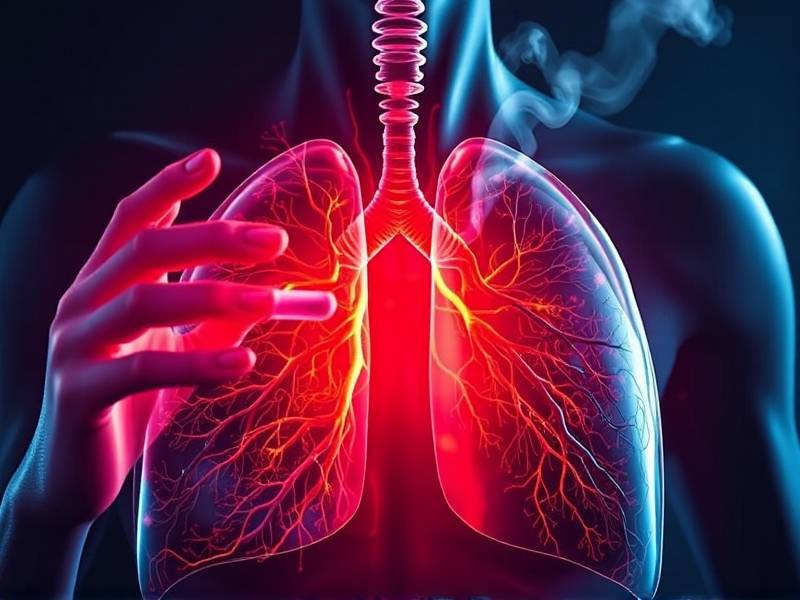
The human body has an incredible capacity for self-repair. When it comes to the lungs, this process can begin as soon as you quit smoking. The damage caused by tobacco smoke is multifaceted, affecting the alveoli (air sacs), bronchial tubes, and other structures within the lungs.
Early Changes
Within days of quitting, your body starts to eliminate tar and other harmful substances from your lungs. This can lead to an improvement in breathing and a decrease in coughing. Over time, your lung function may begin to stabilize or even improve.
Long-Term Repair
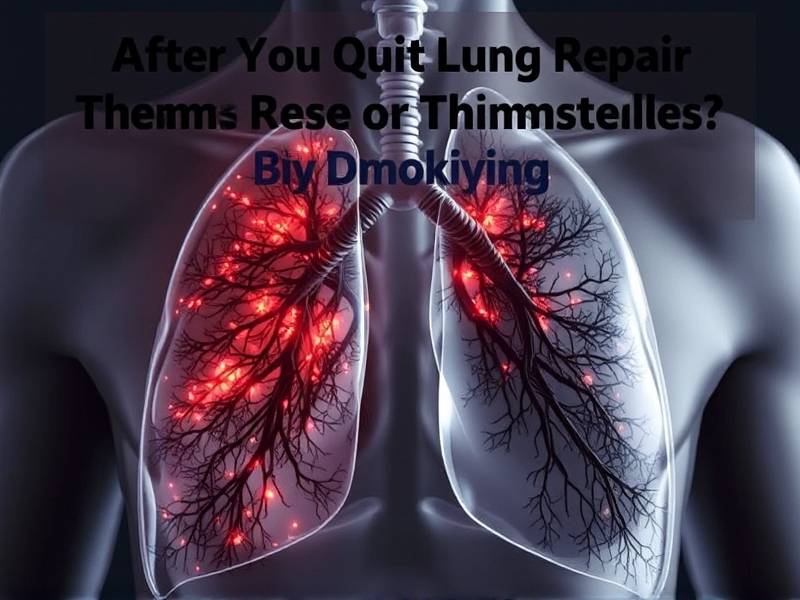
Over several years of abstinence from smoking, there's potential for more substantial repairs. The lining of your bronchial tubes may become less inflamed, reducing the risk of infections. The alveoli may also start to regenerate, potentially reversing some of the damage caused by smoking.
Factors Influencing Lung Repair
While quitting smoking is a crucial step towards lung repair, several factors can influence how well your lungs heal:
Age
Younger individuals tend to recover faster than older adults due to their bodies' greater regenerative capacity.
Duration of Smoking
The longer you've smoked and the more cigarettes you've consumed daily can affect how quickly your lungs repair themselves.
Genetic Factors
Your genetic makeup can play a role in how well your body responds to quitting smoking.
Supportive Measures for Lung Health
Quitting smoking is just one aspect of improving lung health. Here are some additional steps you can take:
Exercise Regularly
Physical activity helps improve lung function and overall fitness.
Maintain a Healthy Diet
Eating a balanced diet rich in fruits, vegetables, and whole grains supports lung health.
Avoid Exposure to Pollutants
Reducing exposure to air pollution and secondhand smoke further minimizes harm to your lungs.
Conclusion: The Journey Towards Better Health
Quitting smoking is a journey that requires commitment and perseverance. While there's no guarantee that your lungs will fully repair themselves after years of smoking, giving up tobacco is a powerful step towards better health. By adopting healthy lifestyle choices and providing support for lung repair, you can significantly improve your chances of living a healthier life without cigarettes.