
Can You Develop COPD 10 Years After Quitting Smoking?
Understanding the Risk of COPD Development Post-Smoking Cessation
Introduction: Chronic Obstructive Pulmonary Disease (COPD) is a progressive lung disease that affects millions worldwide. Many people believe that quitting smoking can reverse the damage caused by smoking and prevent the development of COPD. However, some individuals may wonder if they can still develop COPD even after years of quitting. In this article, we will explore the possibility of developing COPD 10 years after quitting smoking and discuss the factors that contribute to this risk.
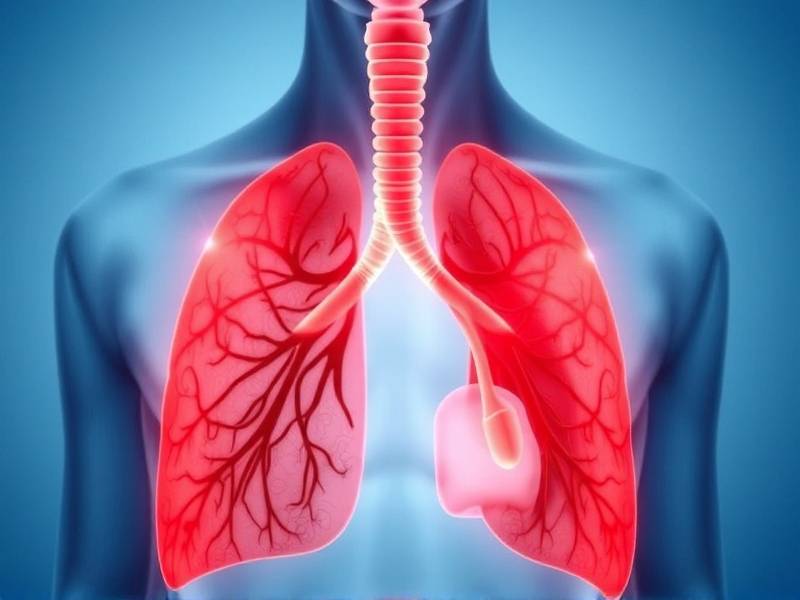
Section 1: The Link Between Smoking and COPD Smoking is the leading cause of COPD, accounting for approximately 80-90% of cases. When you smoke, harmful chemicals enter your lungs, causing inflammation and damage to the airways and alveoli. Over time, this damage can lead to chronic bronchitis and emphysema, two primary components of COPD.
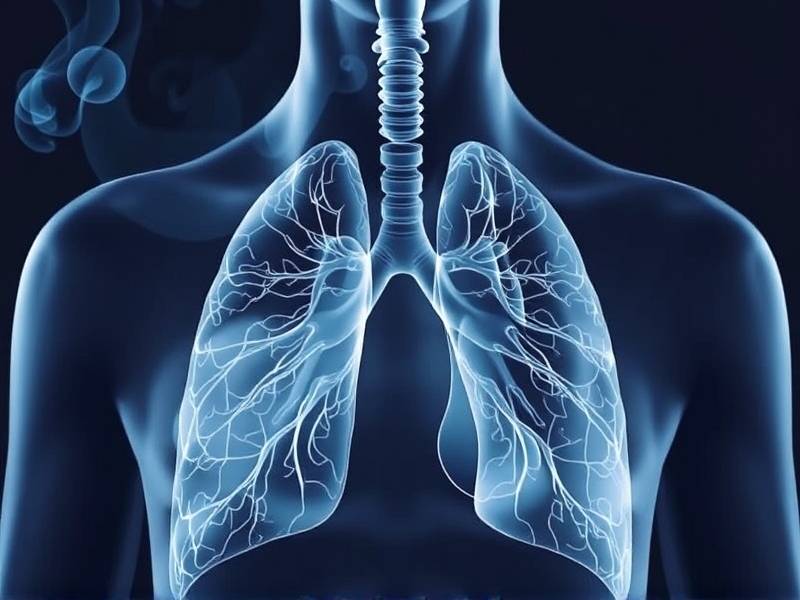
Section 2: The Recovery Process After Quitting Smoking Quitting smoking can significantly reduce your risk of developing COPD or slowing its progression. According to the American Lung Association, within one year of quitting, your risk of heart disease drops by half. Within five years, your risk of stroke decreases by the same amount. Moreover, your lungs begin to repair themselves as soon as you quit smoking.
Section 3: The Risk of Developing COPD Post-Quitting While quitting smoking is a crucial step in preventing COPD, it's essential to understand that it doesn't guarantee complete protection against developing the disease. Several factors contribute to this risk:
- Genetic predisposition: Some individuals may have a genetic predisposition to developing COPD.
- Exposure to other lung irritants: If you've been exposed to other lung irritants like dust or chemical fumes before or after quitting smoking, you may still be at risk.
- Age: The older you are when you quit smoking, the higher your risk of developing COPD.
- Duration of smoking: Even if you've quit for many years, if you smoked heavily for a long time before quitting, your risk may remain elevated.
Section 4: Can You Develop COPD 10 Years After Quitting Smoking? It's possible but less likely than if you continued smoking. While research suggests that most ex-smokers have reduced their risk compared to current smokers, they're not entirely protected from developing COPD later in life.
Conclusion: Quitting smoking is a significant step towards reducing your risk of developing COPD. Although it's possible to develop the disease even after years of quitting, doing so is less likely than if you continued smoking. It's crucial to maintain a healthy lifestyle and be aware of other potential risks factors associated with lung health.
Note: This article provides general information about the topic; however, individual cases may vary based on specific circumstances and should be discussed with a healthcare professional for personalized advice and treatment options.
References:
- American Lung Association (www.lung.org)
- Centers for Disease Control and Prevention (www.cdc.gov)
- National Heart Lung Blood Institute (www.nhlbi.nih.gov)