
How Long Does It Take for the Brain to Return to Normal After Quitting Smoking?
The Journey to Normalcy: How Long Does the Brain Take to Adjust After Quitting Smoking?
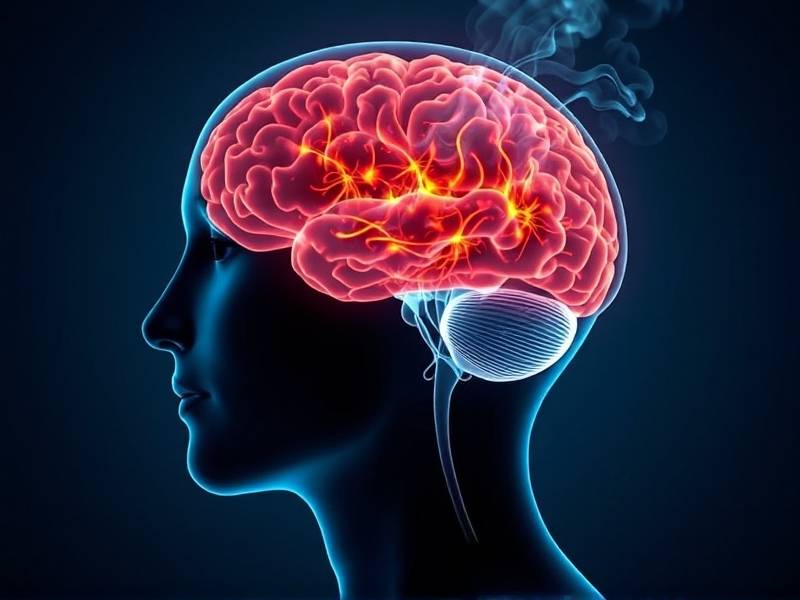
Introduction: The decision to quit smoking is a significant and commendable step towards a healthier lifestyle. However, it's natural to wonder about the timeline for recovery, particularly when it comes to the brain's adjustment. In this article, we delve into the fascinating process of how long it takes for the brain to return to normal after quitting smoking.
Section 1: Understanding the Impact of Smoking on the Brain Smoking is a harmful habit that affects various aspects of health, including cognitive functions. When you smoke, nicotine rapidly crosses the blood-brain barrier and binds to nicotine receptors in the brain. This triggers a release of dopamine, creating a sense of pleasure and dependence.
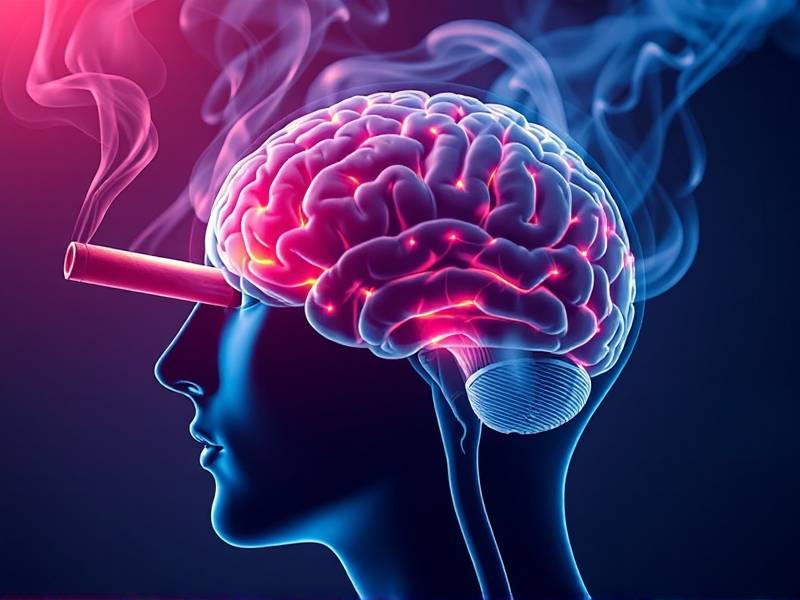
Section 2: The Process of Brain Recovery Once you quit smoking, your brain begins its journey towards recovery. Here's what happens:
-
Immediate Benefits: Within minutes after quitting smoking, your blood pressure starts to decrease, and your heart rate begins to slow down. The carbon monoxide levels in your blood start dropping as well.
-
Short-Term Recovery (1-3 months): During this period, you may experience withdrawal symptoms such as irritability, anxiety, and cravings. However, your brain starts producing more dopamine naturally without nicotine stimulation. This helps alleviate some withdrawal symptoms.
-
Medium-Term Recovery (3-12 months): Your brain continues to adjust during this phase. Your lung function improves significantly, reducing risks of respiratory issues like bronchitis and pneumonia. Additionally, your heart rate and blood pressure stabilize further.
-
Long-Term Recovery (12+ months): After one year or more of quitting smoking, your brain's dopamine levels normalize completely. This means that your risk of developing nicotine dependence decreases significantly.
Section 3: Factors Affecting Brain Recovery Several factors can influence how long it takes for your brain to recover after quitting smoking:
-
Duration of Smoking: Long-term smokers may take longer for their brains to adjust compared to those who smoked for a shorter period.
-
Age: Younger individuals tend to recover faster than older adults due to their brains' greater plasticity.
-
Support Systems: Having strong support from friends, family members, or support groups can significantly aid in your recovery journey.
-
Coping Strategies: Developing healthy coping strategies like exercise or mindfulness can help manage withdrawal symptoms effectively.
Conclusion: Quitting smoking is a challenging endeavor that requires patience and determination. Understanding how long it takes for the brain to return to normal can help you stay motivated throughout this process. Remember that every day without smoking brings you one step closer to a healthier life!