
Why Does a Person Gain Weight After Quitting Smoking? The Science Behind the Phenomenon
Introduction: The Unexpected Consequence of Quitting Smoking
Quitting smoking is often celebrated as a significant step towards better health. However, many smokers find that they gain weight after they quit. This unexpected consequence can be discouraging, but understanding the science behind it can provide insights into managing this change effectively.

The Role of Nicotine in Weight Regulation
Nicotine, the primary addictive substance in tobacco, has a profound impact on the body's metabolism and appetite. When you smoke, nicotine stimulates the release of adrenaline, which temporarily boosts your metabolism and suppresses appetite. This is one reason why some smokers may experience weight loss while smoking.
Metabolic Changes Post-Quit
Once you stop smoking, your body starts to adjust to the absence of nicotine. This adjustment can lead to several metabolic changes that might contribute to weight gain:
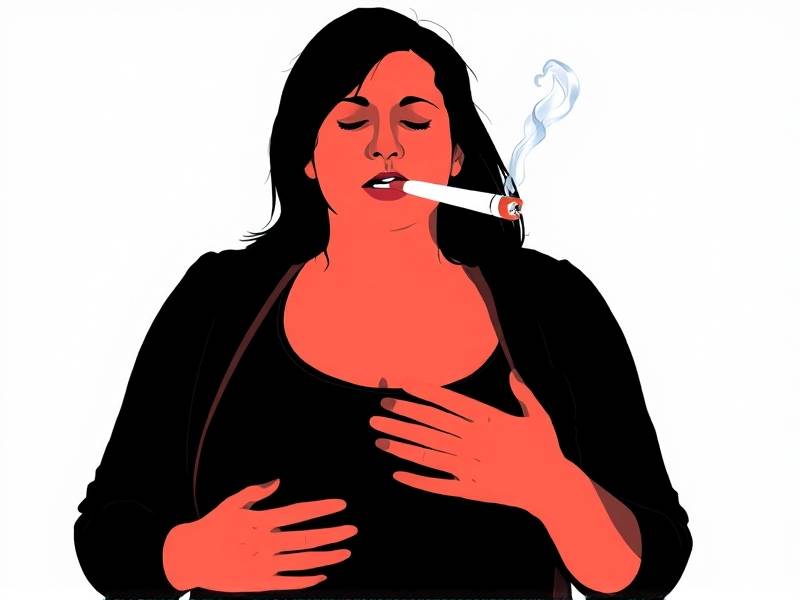
1. Slower Metabolism
Research suggests that quitting smoking can lead to a slower metabolism. This means your body burns fewer calories at rest, making it easier to gain weight.
2. Increased Appetite
Without nicotine, some people may experience an increase in appetite or cravings for certain foods. This is partly due to changes in brain chemistry and hormones.
Food Cravings and Emotional Eating
Another factor contributing to post-quit weight gain is food cravings and emotional eating. Nicotine withdrawal can cause stress and anxiety, leading some individuals to turn to food for comfort.
Hormonal Changes
Hormonal fluctuations after quitting smoking can also play a role in weight gain. For example, changes in insulin sensitivity can affect how your body regulates blood sugar levels and store fat.
Strategies for Managing Weight Gain Post-Quit
Understanding the science behind post-quit weight gain is crucial for developing effective strategies to manage this change:
1. Maintain a Balanced Diet
Focus on eating whole foods such as fruits, vegetables, lean proteins, and whole grains. These foods are rich in nutrients and fiber, which can help you feel fuller for longer.
2. Stay Hydrated
Drinking plenty of water can help control appetite and keep you hydrated.
3. Exercise Regularly
Regular physical activity helps boost your metabolism and improve overall health.
4. Manage Stress Levels
Engage in stress-reducing activities such as meditation or yoga to help manage withdrawal symptoms and reduce emotional eating.
Conclusion: Embracing Change for Better Health
While gaining weight after quitting smoking might be an unwelcome side effect, understanding the science behind it allows us to take proactive steps towards managing this change effectively. By adopting healthy lifestyle habits like maintaining a balanced diet, staying hydrated, exercising regularly, and managing stress levels, you can minimize post-quit weight gain and continue on your journey towards better health.