
How Your Lungs Heal When You Quit Smoking: The Science Behind the Recovery Process
How Your Lungs Heal When You Quit Smoking: Unveiling the Science Behind the Recovery Process
Introduction: The act of quitting smoking is a significant step towards better health. Many people are aware of the health risks associated with smoking, but understanding how the body, particularly the lungs, heal after quitting can be a powerful motivator. This article delves into the science behind lung recovery when you quit smoking.
I. The Immediate Impact of Quitting Smoking on Your Lungs
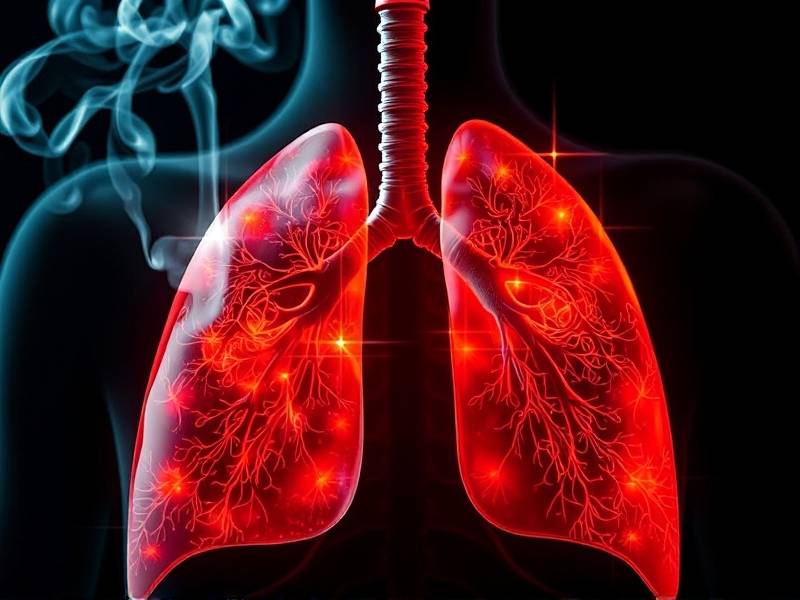
A. Reduced Inflammation When you quit smoking, your lungs begin to heal almost immediately. One of the first changes is a reduction in inflammation. Chronic inflammation caused by tobacco smoke can lead to various respiratory issues, and quitting helps to alleviate this inflammation.
B. Improved Oxygen Supply As inflammation decreases, your lungs start to receive more oxygen. This increased oxygen supply can help improve your overall energy levels and reduce shortness of breath.
II. The Progression of Lung Recovery Over Time
A. 1-3 Months Within the first few months after quitting, you may notice an improvement in your cough and phlegm production as your lungs continue to clear out mucus and debris from years of smoking.
B. 1-2 Years After about one to two years of not smoking, your lung function can improve by as much as 10%. This improvement is significant and can make a noticeable difference in your quality of life.
C. 5-10 Years The longer you remain smoke-free, the more your lungs will continue to recover. After five to ten years without tobacco exposure, your risk of lung cancer drops significantly compared to that of continuing smokers.
III. Long-term Benefits and Risks
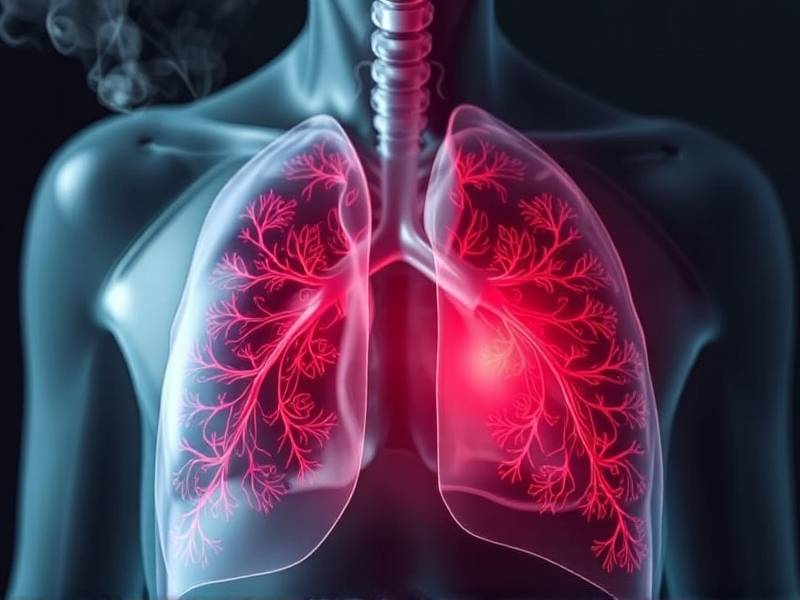
A. Reduced Risk of Chronic Obstructive Pulmonary Disease (COPD) Quitting smoking reduces the risk of developing COPD, a progressive lung disease that causes breathing difficulties.
B. Lower Risk of Heart Disease and Stroke Smoking cessation also has positive effects on heart health by reducing blood pressure and improving cholesterol levels.
Conclusion: Understanding how your lungs heal when you quit smoking can provide a strong incentive for those struggling with nicotine addiction. By embracing this knowledge and taking steps towards quitting, individuals can experience significant improvements in their respiratory health over time. So why not take that first step today? Your lungs—and body—will thank you for it!