
What Happens to Your Body When You Quit Smoking: A Guide for Teens
Introduction: The Power of Quitting
For teenagers, the decision to quit smoking is a significant step towards a healthier life. But what exactly happens to your body when you make this choice? This guide will explore the immediate and long-term benefits of quitting smoking, providing you with valuable insights that could inspire you to kick the habit.
Immediate Benefits: Feeling Better Right Away
1. Improved Breathing
One of the first noticeable changes after quitting smoking is improved breathing. Within hours, your body starts to repair the damage caused by smoke inhalation. You'll notice that you can breathe more deeply and easily.
2. Enhanced Taste and Smell
Cigarette smoke can dull your senses of taste and smell. But within a few days, these senses begin to return, allowing you to fully enjoy the flavors of food and scents around you.
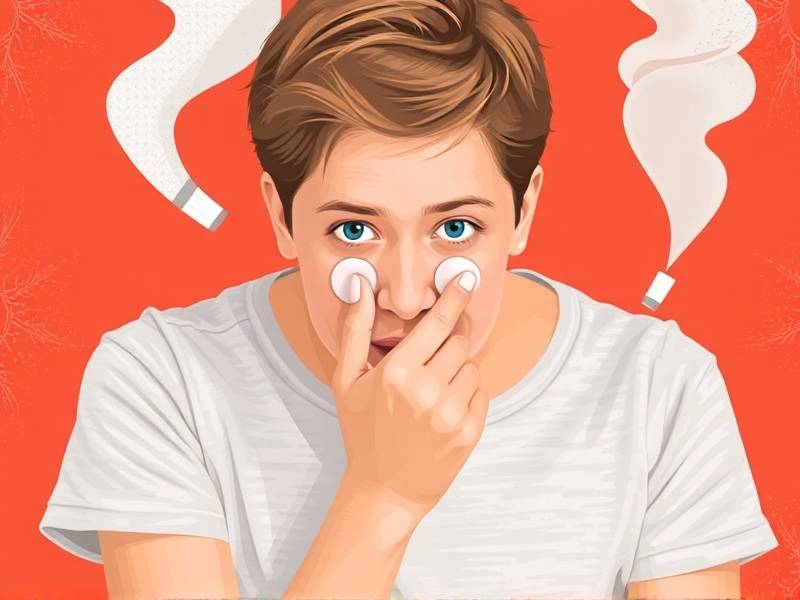
3. Reduced Stress
Quitting smoking can help reduce stress levels, as it removes a harmful substance from your body that can exacerbate anxiety.
Short-Term Benefits: A Healthier You in Weeks
1. Heart Rate and Blood Pressure Improvement
Within just two weeks after quitting, your heart rate and blood pressure begin to drop as your cardiovascular system starts healing.
2. Enhanced Energy Levels
As nicotine leaves your system, you may experience increased energy levels as your body no longer struggles with nicotine withdrawal.
Long-Term Benefits: Protecting Your Future Health
1. Reduced Risk of Chronic Diseases
Quitting smoking significantly reduces the risk of developing chronic diseases such as heart disease, stroke, and certain types of cancer.
2. Improved Lung Function
Your lungs will continue to improve over time as they heal from years of smoking damage. This means a lower risk of respiratory infections and better overall health.
Tips for Staying Smoke-Free
Now that you know the benefits of quitting smoking, here are some tips to help you stay smoke-free:
- Set Clear Goals: Decide when you want to quit and create a plan.
- Find Support: Share your goal with friends, family, or seek support groups.
- Avoid Triggers: Identify situations that make you want to smoke and find alternatives.
- Reward Yourself: Set up small rewards for each day or week without smoking.
- Stay Positive: Focus on the benefits rather than withdrawal symptoms.
Conclusion: Your Journey Begins Now
Quitting smoking is a journey that requires dedication and commitment. By understanding the benefits of quitting and arming yourself with helpful tips, you're one step closer to a healthier life. Remember that every day without smoking is a victory for your health!