
Which Is Harder to Quit: Smoking or Meth?
Which Is Harder to Quit: Smoking or Meth?
Introduction: The debate over which substance is harder to quit, smoking or methamphetamine, has been a topic of discussion among addiction experts for years. Both smoking and meth use come with their own set of challenges, but determining which one is more difficult to overcome can provide valuable insights into the complexities of addiction recovery. In this article, we will explore the differences between smoking and meth use, examining the factors that contribute to their addictive nature and the difficulties associated with quitting.
I. The Nature of Addiction:
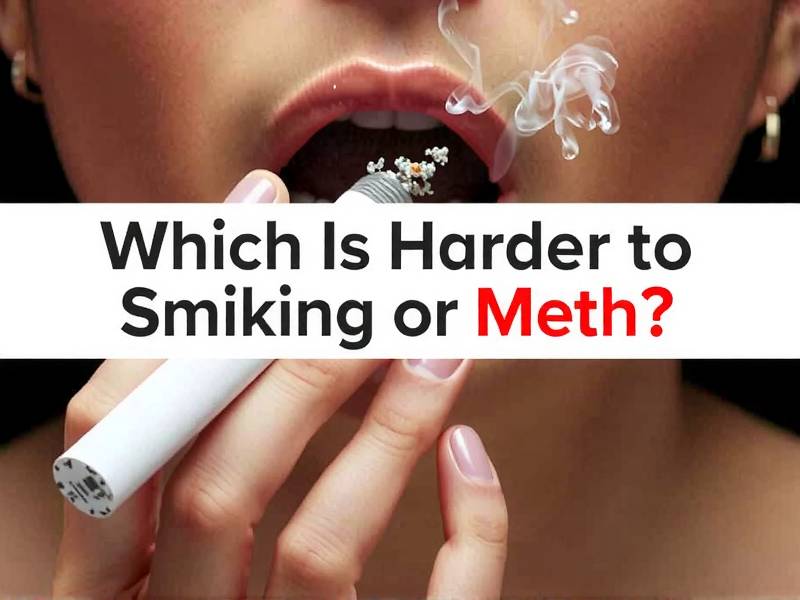
A. Smoking: Smoking involves the inhalation of tobacco smoke, which contains thousands of harmful chemicals. Nicotine, the primary addictive substance in tobacco, binds to nicotine receptors in the brain, leading to a release of dopamine that creates a sense of pleasure and relaxation.
B. Methamphetamine: Methamphetamine is a highly addictive stimulant that affects the central nervous system. It triggers the release of dopamine in the brain, resulting in increased energy levels and feelings of euphoria. However, meth use can lead to severe psychological and physical consequences.
II. Factors Contributing to Addictive Nature:
A. Physical Dependence: Both smoking and meth use can lead to physical dependence. Nicotine withdrawal symptoms include irritability, anxiety, depression, and intense cravings for tobacco products. Similarly, meth withdrawal can cause extreme fatigue, depression, insomnia, and intense cravings for more meth.
B. Psychological Dependence: The psychological aspect of addiction plays a significant role in both smoking and meth use. Smoking can create a sense of routine and comfort for individuals who have developed habits around smoking (e.g., having a cigarette after meals). Meth use can also create psychological dependence due to its effects on mood regulation and stress relief.
III. Challenges in Quitting:
A. Social Support: Quitting smoking or meth requires strong social support from friends, family members, or support groups. Individuals who lack adequate support may find it more challenging to overcome addiction.
B. Relapse Risk: Both smoking and meth use have high relapse rates among those who attempt to quit. Relapse prevention strategies are crucial for long-term recovery.
IV. Treatment Options:
A. Smoking Cessation: Several treatment options are available for individuals seeking to quit smoking, including nicotine replacement therapy (NRT), prescription medications (e.g., bupropion), counseling services, and support groups like Smokefree.gov.

B. Methamphetamine Addiction Treatment: Treatment for methamphetamine addiction often involves detoxification followed by therapy (e.g., cognitive-behavioral therapy) and support groups like Narcotics Anonymous (NA).
Conclusion:
Determining whether quitting smoking or meth is harder remains subjective due to individual experiences with addiction. However, both substances present significant challenges when it comes to overcoming addiction due to their addictive nature and withdrawal symptoms.
In conclusion, it's essential for individuals struggling with either addiction to seek professional help from healthcare providers or addiction specialists who can tailor treatment plans based on individual needs.
Remember that recovery is possible with determination and appropriate support systems in place—whether it's quitting smoking or overcoming methamphetamine addiction.