
The Emotional Journey of Quitting Smoking
The Emotional Journey of Quitting Smoking: A Personal Insight
Introduction: Quitting smoking is not just a physical challenge but also an emotional rollercoaster. It requires immense strength, determination, and emotional resilience. This article delves into the emotional journey of quitting smoking, offering insights and advice for those embarking on this transformative path.
I. The Initial Determination to Quit

The first step in the emotional journey of quitting smoking is making the decision to quit. This can be a difficult decision, often accompanied by mixed emotions such as fear, anxiety, and uncertainty. However, it is crucial to acknowledge these feelings and embrace them as part of the process.
II. Dealing with Withdrawal Symptoms
Once you have made the decision to quit, withdrawal symptoms may begin to surface. These symptoms can include cravings, irritability, anxiety, and even depression. It is important to recognize that these symptoms are temporary and will diminish over time.
III. Navigating Triggers and Cravings
Triggers are situations or emotions that make you want to smoke. Identifying and avoiding these triggers can help ease your journey towards quitting smoking. Additionally, finding healthy coping mechanisms such as exercise or meditation can aid in managing cravings.
IV. The Emotional Ups and Downs
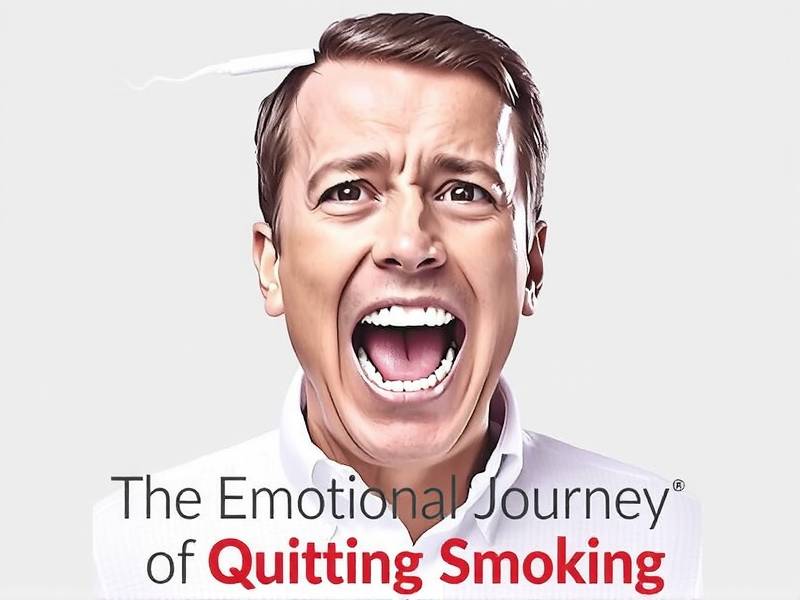
The emotional journey of quitting smoking involves a series of ups and downs. There will be moments of triumph when you successfully resist temptation, as well as moments of struggle when you feel overwhelmed by cravings or setbacks.
V. Seeking Support from Others
Quitting smoking can be an isolating experience; however, seeking support from friends, family, or support groups can provide invaluable assistance during this time. Sharing your struggles and celebrating your successes with others can help you stay motivated and focused on your goals.
VI. Celebrating Milestones
As you progress through your quit journey, it is essential to celebrate milestones along the way. Whether it's reaching a week without smoking or successfully navigating a particularly challenging situation, acknowledging these victories will keep you motivated to continue.
VII. Overcoming Setbacks
Setbacks are inevitable during the process of quitting smoking; however, it is important not to let them discourage you. Instead, view setbacks as learning opportunities that allow you to grow stronger in your resolve.
Conclusion:
The emotional journey of quitting smoking is complex but rewarding. By understanding the various stages involved and seeking support from others along the way, you can navigate this transformative process more effectively. Remember that each day without smoking brings you one step closer to a healthier life for yourself and those around you.
Note: The information provided in this article is based on personal experiences and general knowledge about quitting smoking; it should not replace professional medical advice or treatment for individuals struggling with tobacco dependence.