
How Long After Quitting Smoking Can You Start Breathing Better?
Unveiling the Timeline: How Soon Can You Breathe Easier After Quitting Smoking?
Introduction: Quitting smoking is a significant step towards a healthier lifestyle. One of the most immediate benefits that many smokers look forward to is improved breathing. But, how long after quitting smoking can you start breathing better? In this article, we will explore the timeline of better breathing and the factors that contribute to it.
Understanding the Impact of Smoking on Breathing:
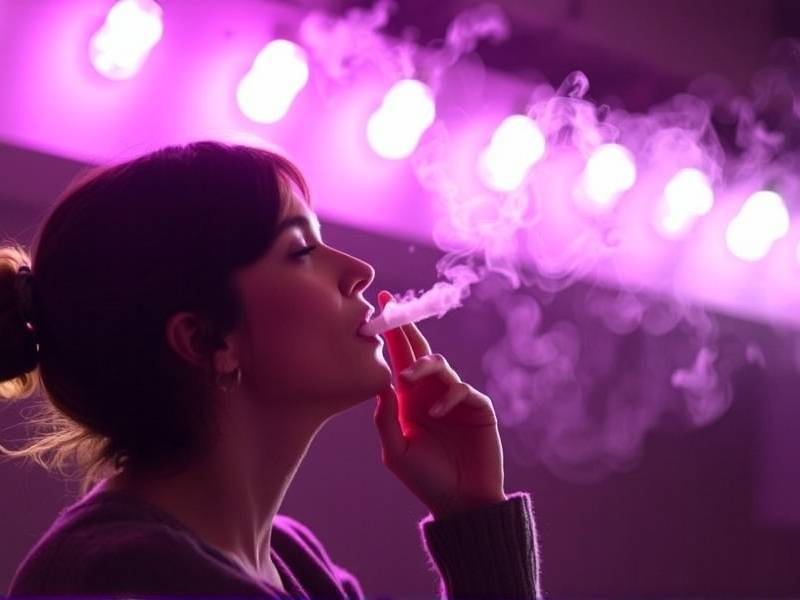
Smoking damages the lungs and airways, leading to decreased lung function and restricted airflow. Over time, this can result in chronic respiratory conditions like chronic obstructive pulmonary disease (COPD) or asthma.
The Healing Process:
After quitting smoking, your body begins to repair itself. The timeline for improved breathing varies from person to person, but here are some general guidelines:
-
Immediate Benefits: Within minutes of quitting smoking, your blood pressure and heart rate begin to drop. This is because nicotine withdrawal reduces the constriction of blood vessels.
-
Within Hours: Your oxygen levels start to increase as your lungs begin to clear out mucus and debris accumulated due to smoking.
-
Within Days: Your sense of smell and taste improve as your olfactory receptors recover from the damage caused by smoke.
-
Within Weeks: You may notice a decrease in coughing, shortness of breath, and wheezing as your lungs continue to heal.
-
Within Months: Your lung function may start improving significantly within three months after quitting smoking. This can lead to a reduction in symptoms like chronic bronchitis or emphysema.
-
Within Years: After several years of not smoking, you may see a considerable improvement in lung function compared to when you were smoking. Your risk of developing lung cancer also decreases significantly.
Factors Affecting Breathing Improvement:
Several factors can influence how quickly you experience better breathing after quitting smoking:
- The duration and intensity of your smoking habit
- Your overall health status
- The presence of any pre-existing respiratory conditions
- Your adherence to a healthy lifestyle
Conclusion:
Quitting smoking is an excellent decision that can lead to immediate improvements in your health, including better breathing. While the timeline for experiencing these benefits varies from person to person, staying committed to a smoke-free lifestyle can lead to significant improvements in lung function over time.
Remember that it's never too late to quit! Take control of your health today and enjoy the journey towards better breathing and overall well-being.