
Can Early-Stage COPD Be Stopped by Quitting Smoking?
Can Early-Stage COPD Be Stopped by Quitting Smoking?
Introduction: Chronic Obstructive Pulmonary Disease (COPD) is a progressive lung disease that affects millions of people worldwide. One of the primary causes of COPD is smoking, which makes it a crucial factor in the development and progression of the disease. This article explores whether quitting smoking can halt the progression of early-stage COPD.
Section 1: Understanding Early-Stage COPD Early-stage COPD is characterized by mild symptoms and relatively preserved lung function. It's a critical phase for individuals to take action, as timely intervention can potentially slow down or even reverse the disease's progression.
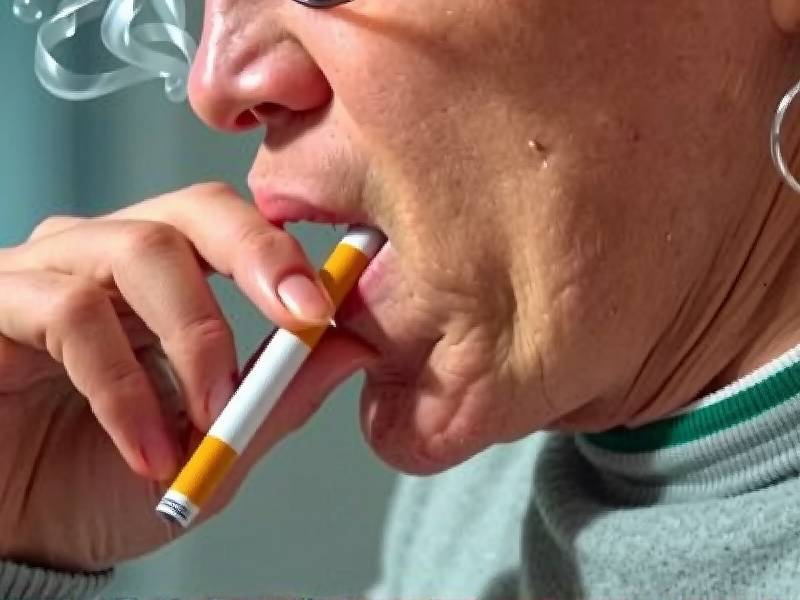
Section 2: The Role of Smoking in COPD Smoking is a leading cause of COPD, accounting for approximately 80-90% of cases. The toxic substances in tobacco smoke irritate and damage the airways, leading to inflammation, mucus production, and eventually, narrowing of the airways.
Section 3: Quitting Smoking – A Potential Game-Changer Quitting smoking at any stage can have significant benefits for individuals with early-stage COPD. By reducing exposure to harmful toxins, the lungs have an opportunity to repair themselves and potentially reverse some of the damage caused by smoking.
Subsection 3.1: Immediate Benefits Within hours after quitting smoking, carbon monoxide levels in the blood begin to drop, improving oxygen flow to the body's organs and tissues. Within weeks or months, coughing and shortness of breath may decrease as lung function improves.
Subsection 3.2: Long-term Benefits Over time, quitting smoking can lead to a significant reduction in symptoms and a slower progression of COPD. According to research published by the American Lung Association, individuals who quit smoking are more likely to experience improved lung function and decreased risk of developing other respiratory conditions.
Section 4: Strategies for Quitting Smoking Quitting smoking is not easy, but various strategies can increase one's chances of success:
Subsection 4.1: Nicotine Replacement Therapy (NRT) NRT products like patches, gum, lozenges, inhalers, and nasal sprays can help alleviate withdrawal symptoms by delivering controlled amounts of nicotine without the harmful effects of tobacco smoke.
Subsection 4.2: Behavioral Support Seeking support from friends, family members, or joining support groups can provide motivation and encouragement during the quitting process.

Subsection 4.3: Medications Prescription medications like varenicline (Chantix) or bupropion (Zyban) can be effective for some individuals struggling with nicotine addiction.
Conclusion: Quitting smoking is a powerful step towards halting early-stage COPD's progression. While it may not entirely reverse existing damage or cure COPD entirely, it significantly improves one's chances of maintaining better lung function and reducing symptoms over time. Individuals with early-stage COPD should consider seeking professional help to develop a personalized quit-smoking plan tailored to their needs.