
Is Vaping Harder to Quit Than Smoking? The Truth You Need to Know
Is Vaping Harder to Quit Than Smoking? The Truth You Need to Know
Introduction: Vaping has become increasingly popular in recent years, offering an alternative to traditional smoking. However, many individuals who have tried both methods are curious about which one is harder to quit. In this article, we will explore the truth behind this question and provide valuable insights for those looking to kick the habit.
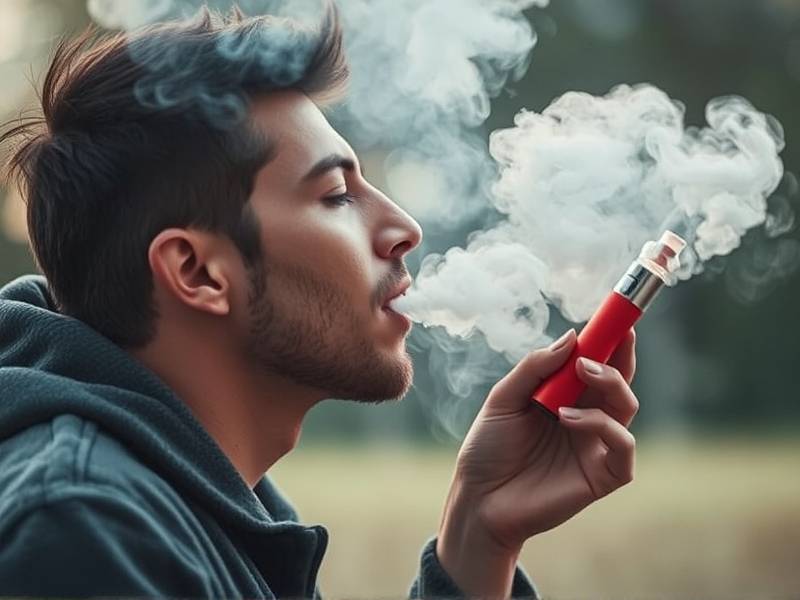
Section 1: Understanding the Differences Between Vaping and Smoking 1.1 What is Vaping? Vaping involves inhaling vapor produced by an electronic cigarette or similar device. The vapor typically contains nicotine, flavorings, and other chemicals.
1.2 What is Smoking? Smoking involves inhaling the smoke produced by burning tobacco leaves. This smoke contains a variety of harmful chemicals and carcinogens.
Section 2: The Difficulty of Quitting Vaping vs Smoking 2.1 Psychological Factors When it comes to quitting, psychological factors play a significant role. For many individuals, the act of smoking or vaping serves as a coping mechanism or a way to relax. As a result, quitting can be challenging due to the emotional attachment one may have to these habits.
2.2 Nicotine Dependency Both smoking and vaping involve nicotine consumption, which is highly addictive. While the nicotine delivery method differs between the two, the level of addiction can be similar.

2.3 Physical Withdrawal Symptoms Quitting either habit can lead to withdrawal symptoms such as cravings, irritability, and anxiety. However, some individuals may find that quitting smoking is more physically demanding due to the longer exposure to harmful substances over time.
Section 3: Strategies for Quitting Vaping and Smoking 3.1 Seek Professional Help Consulting a healthcare professional can provide personalized guidance and support during the quitting process.
3.2 Utilize Nicotine Replacement Therapy (NRT) NRT products like patches, gum, lozenges, or inhalers can help alleviate withdrawal symptoms by providing controlled doses of nicotine.
3.3 Identify Triggers and Avoid Them Identifying triggers that make you want to smoke or vape can help you avoid them altogether or find healthier alternatives.
3.4 Develop New Habits Engage in activities that distract you from cravings and help you cope with stress without relying on smoking or vaping.
Conclusion: While it may seem like quitting vaping is harder than quitting smoking due to psychological factors and nicotine dependency, both habits present challenges when it comes to breaking free from addiction. By understanding these challenges and utilizing effective strategies for quitting, individuals can increase their chances of success in their journey towards a smoke-free life.