
What Causes Chest Pain After Quitting Smoking?
Understanding the Link Between Chest Pain and Smoking Cessation
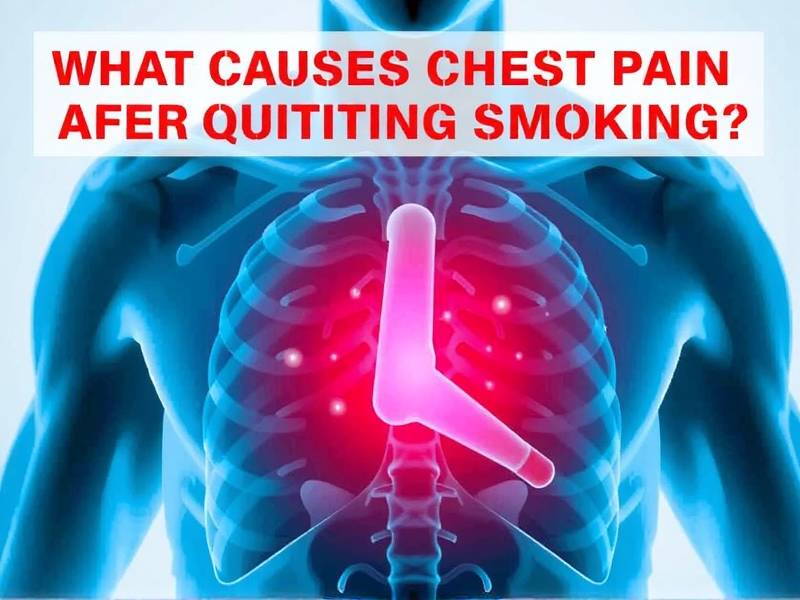
Introduction: Quitting smoking is a significant step towards improving one's health, but it's not without its challenges. Many individuals who have quit smoking may experience various symptoms, including chest pain. This article aims to explore the possible causes of chest pain after quitting smoking and provide insights into managing these symptoms.
-
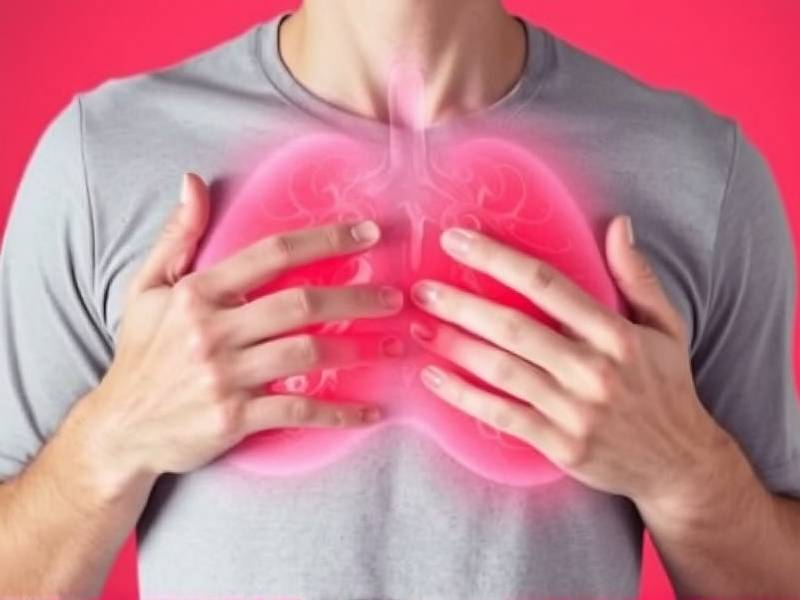
Withdrawal Symptoms When you quit smoking, your body undergoes withdrawal as it adjusts to the absence of nicotine. Chest pain can be a result of this withdrawal process. Nicotine stimulates the nervous system, and its sudden removal can lead to various symptoms, including chest discomfort.
-
Heartburn and Gastroesophageal Reflux Disease (GERD) Heartburn is a common symptom that many smokers experience when they quit. It occurs when stomach acid flows back into the esophagus, causing a burning sensation in the chest area. Over time, persistent heartburn can lead to GERD, which may exacerbate chest pain.
-
Increased Heart Rate and Blood Pressure Quitting smoking can cause an increase in heart rate and blood pressure due to the body's response to nicotine withdrawal. This heightened cardiovascular activity can result in chest discomfort or pain.
-
Pulmonary Emphysema or COPD Smokers who have been diagnosed with pulmonary emphysema or chronic obstructive pulmonary disease (COPD) may experience chest pain after quitting due to the exacerbation of their respiratory condition.
-
Stress and Anxiety Stress and anxiety are common emotions associated with quitting smoking. These emotional factors can manifest physically, leading to chest pain or tightness.
-
Musculoskeletal Issues Some individuals may develop musculoskeletal issues such as tension or strain in their muscles, which can cause chest pain after quitting smoking.
-
Panic Attacks For some individuals, quitting smoking may trigger panic attacks due to heightened anxiety levels. Panic attacks can present with physical symptoms like chest pain or tightness.
-
Other Health Conditions It is essential to rule out other potential causes of chest pain after quitting smoking, such as heart disease or lung cancer.
Conclusion: Chest pain after quitting smoking can stem from various factors, including withdrawal symptoms, heartburn, increased heart rate and blood pressure, respiratory conditions like emphysema or COPD, stress and anxiety, musculoskeletal issues, panic attacks, and other health conditions.
It is crucial for individuals experiencing chest pain after quitting smoking to consult with a healthcare professional for an accurate diagnosis and appropriate treatment plan. By addressing these underlying causes, individuals can effectively manage their symptoms while continuing their journey towards better health through smoke-free living.