
Can Quitting Smoking Trigger Asthma? Understanding the Connection Between Smoking and Respiratory He
Can Quitting Smoking Trigger Asthma? Decoding the Link Between Smoking and Respiratory Health
Introduction: The act of quitting smoking is often hailed as a life-changing decision, but it's not without its challenges. One common concern among smokers contemplating quitting is whether giving up cigarettes can trigger asthma symptoms. This article aims to unravel the complex relationship between smoking, quitting, and respiratory health, particularly focusing on asthma.
Section 1: Understanding Asthma Asthma is a chronic respiratory condition that inflames and narrows the airways, making it difficult to breathe. Symptoms include wheezing, coughing, chest tightness, and shortness of breath. While asthma can be triggered by various factors, such as allergies and infections, smoking has long been recognized as a significant contributor.
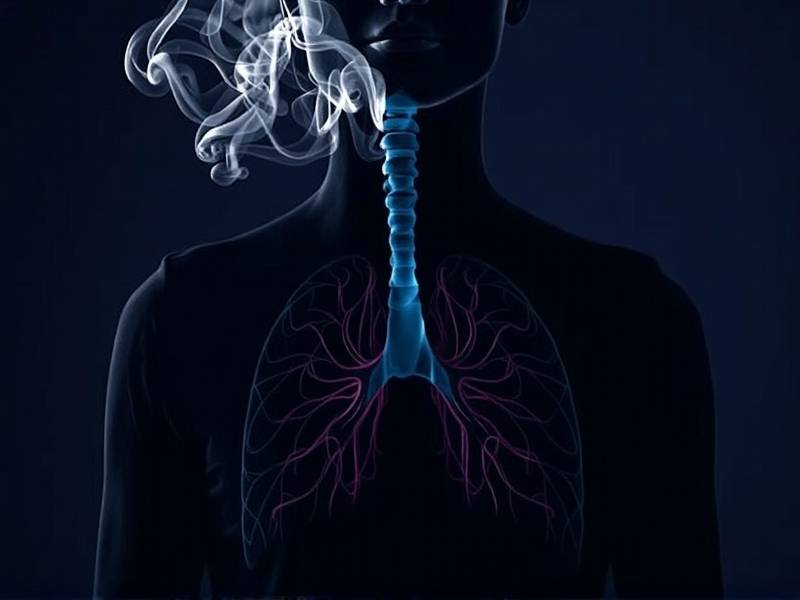
Section 2: The Impact of Smoking on Respiratory Health Smoking introduces harmful chemicals into the lungs that cause inflammation and damage to the airways. Over time, this chronic exposure weakens the respiratory system's defenses against infections and other irritants. As a result, smokers are more susceptible to developing asthma or experiencing worsened asthma symptoms.
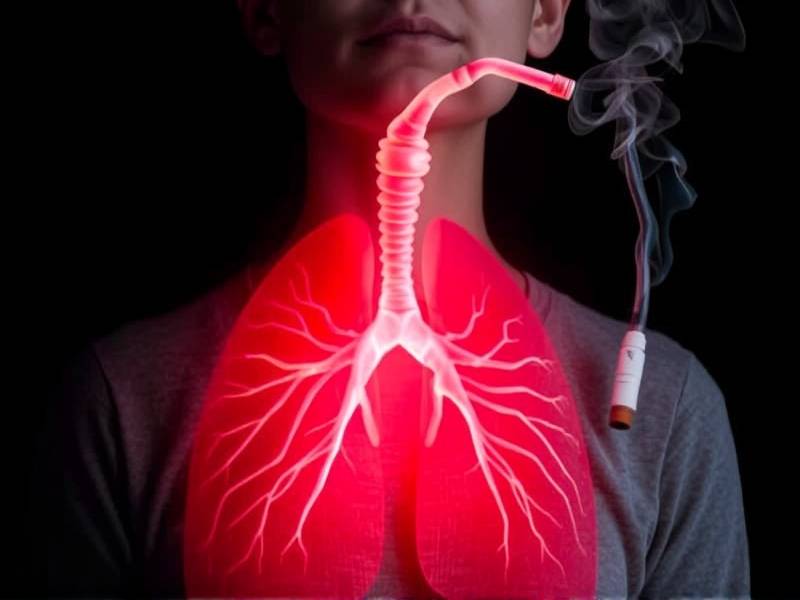
Section 3: Quitting Smoking – A Potential Trigger for Asthma? It's natural to wonder if quitting smoking could exacerbate asthma symptoms. While some individuals may experience temporary breathing difficulties when they quit due to withdrawal from nicotine or exposure to irritants in their environment, it's important to note that quitting smoking is generally beneficial for those with asthma.
Section 4: The Benefits of Quitting Smoking for Asthma Sufferers Quitting smoking can lead to several positive outcomes for individuals with asthma:
- Improved lung function: Over time, quitting smoking can help improve lung capacity and reduce inflammation in the airways.
- Reduced risk of exacerbations: By removing the constant irritation caused by smoking, individuals with asthma may experience fewer asthma attacks.
- Better control of symptoms: Many asthmatics find that their symptoms become more manageable after quitting.
- Increased quality of life: With improved respiratory health, individuals may enjoy better overall well-being and increased energy levels.
Conclusion: While there may be concerns about triggering asthma symptoms when quitting smoking, it's crucial to recognize the long-term benefits of kicking the habit. For those with asthma, quitting smoking can lead to improved lung function and reduced risk of exacerbations. If you're considering quitting but have concerns about your asthma, consult with your healthcare provider for personalized advice and support throughout your journey towards a smoke-free life.