
How Long Does It Take for My Lungs to Clear Up After Quitting Smoking?
Understanding the Journey to Lung Recovery
Quitting smoking is a significant step towards improving your health, and one of the most common questions smokers have is about the timeline for lung recovery. The journey to cleaner lungs can vary from person to person, but understanding the process can give you hope and motivation.
Immediate Benefits
As soon as you quit smoking, your body begins to repair itself. The first few hours see a drop in carbon monoxide levels, which are reduced by 10% within 12 hours of quitting. This means your blood oxygen levels start to rise almost immediately.
Week 1-3: The Early Recovery Phase
During the first few weeks after quitting, you may experience some discomfort as your body adjusts. Your lungs will start to clear out tar and mucus that have accumulated over time. You might notice an increase in coughing as these substances are expelled.
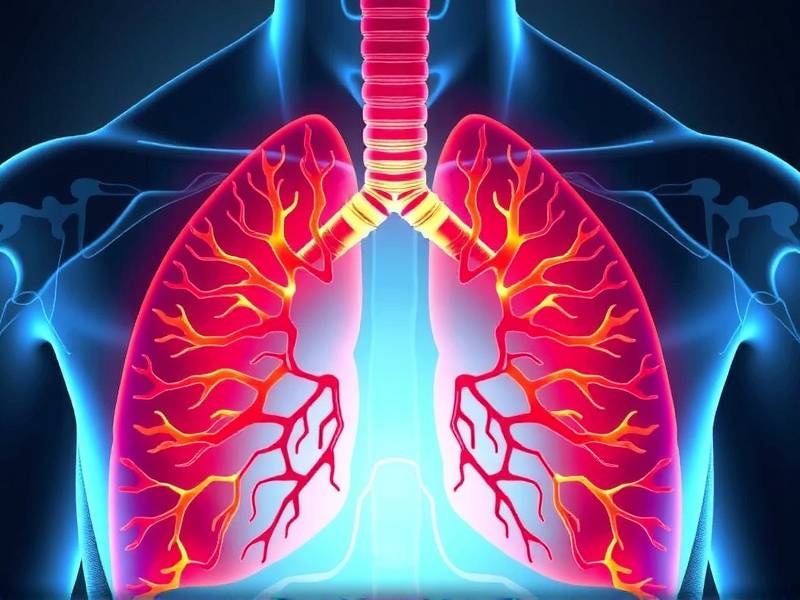
- Week 1: Your heart rate and blood pressure begin to normalize.
- Week 2: Your lung function starts to improve, and you may find it easier to breathe.
- Week 3: You'll likely notice a decrease in shortness of breath and an increase in energy levels.
Weeks 4-12: Continuing Improvement
By the fourth week, many ex-smokers report feeling more energetic and experiencing fewer cravings. During this period, your lungs continue to clear out debris, and your immune system strengthens.
- Month 1: Your risk of heart disease starts to decline.
- Month 2: Your lung function continues to improve significantly.
- Month 3: You'll feel more in control of your health and may be less susceptible to colds and respiratory infections.
Beyond One Year: Long-Term Benefits
After a year of not smoking, your risk of heart disease is cut in half compared to continuing smokers. Your lungs will continue to improve over time as they heal from years of smoke exposure.
- Year 1: Your risk of stroke begins to decline.
- Year 5: The risk of cancer of the mouth, throat, esophagus, and bladder decreases significantly.
- Year 10: Your risk of lung cancer drops by about half compared with that of continuing smokers.
Key Takeaways
- Immediate Benefits: Oxygen levels start rising shortly after quitting.
- Early Recovery: Expect coughing as lungs clear out tar and mucus within weeks.
- Continuing Improvement: Lung function improves over months as the immune system strengthens.
- Long-Term Benefits: Significant health improvements occur over years without smoking.
Remember, while these timelines provide a general guide, individual experiences can vary. It's important to stay committed to your journey towards better health by avoiding triggers and seeking support when needed.
By understanding how long it takes for your lungs to clear up after quitting smoking, you can set realistic expectations and celebrate each milestone along the way. Keep moving forward—your body will thank you!