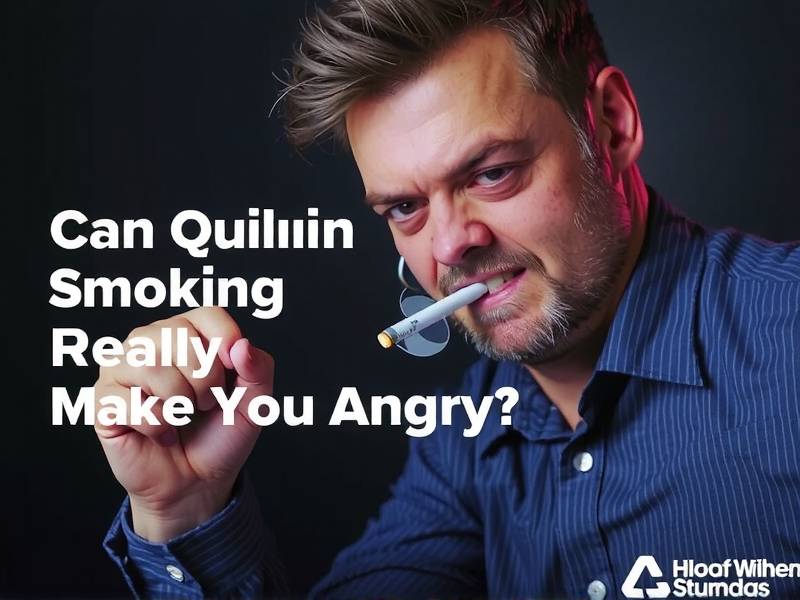
Can Quitting Smoking Really Make You Angry?
Can Quitting Smoking Really Make You Angry?
Introduction: Quitting smoking is a significant step towards improving one's health, but it's no secret that the process can be challenging. One common question that many smokers have is whether giving up cigarettes can lead to increased anger. In this article, we will explore this topic and provide insights into the relationship between quitting smoking and anger.
I. Understanding the Link between Smoking and Anger
-
Nicotine's Effects on the Brain Nicotine, a key component of tobacco, acts as a stimulant in the brain. It increases the release of dopamine, a neurotransmitter associated with pleasure and reward. This temporary boost in dopamine levels can lead to a sense of calmness and relaxation for smokers.
-
Withdrawal Symptoms When individuals quit smoking, their bodies go through withdrawal symptoms as they adjust to lower levels of nicotine. These symptoms include irritability, anxiety, and mood swings, which may manifest as increased anger.
II. The Role of Stress in Anger
-
Stress Reduction through Smoking Smokers often turn to cigarettes as a means to cope with stress. The temporary relief provided by nicotine can mask stress-related emotions like anger.
-
Dealing with Stress without Smoking As individuals quit smoking, they may experience heightened stress levels initially due to the absence of their crutch. This increase in stress can contribute to feelings of anger.
III. Strategies for Managing Anger While Quitting Smoking
-
Identifying Triggers Understanding what situations or thoughts trigger anger is crucial in managing these emotions effectively.
-
Developing Coping Skills Learning alternative ways to cope with stress and manage anger without relying on smoking is essential for successful quitting.
-
Seeking Support Joining support groups or seeking professional help from counselors or therapists can provide valuable guidance and emotional support during the quitting process.
IV. Long-term Benefits of Quitting Smoking
-
Improved Health Quitting smoking leads to significant improvements in overall health, including reduced risk of heart disease, stroke, and various types of cancer.
-
Enhanced Mental Well-being As individuals adapt to life without smoking, they may experience improved mood stability and decreased instances of anger over time.
Conclusion: While it's true that quitting smoking can initially trigger feelings of anger due to withdrawal symptoms and increased stress levels, implementing effective strategies for managing these emotions can lead to long-term success in quitting smoking and improved mental well-being. Remember that seeking support from others who have experienced similar challenges is crucial in overcoming this obstacle on your journey towards a smoke-free life.