
How Long Does It Take for Lungs to Clean Up After Quitting Smoking?
The Journey to Cleaner Lungs: How Long Does It Take to Quit Smoking?
Introduction: Quitting smoking is a significant decision that can lead to numerous health benefits. One of the most common concerns among smokers who are considering quitting is how long it will take for their lungs to begin healing. In this article, we will explore the timeline of lung recovery after quitting smoking and provide insights into the journey towards healthier lungs.
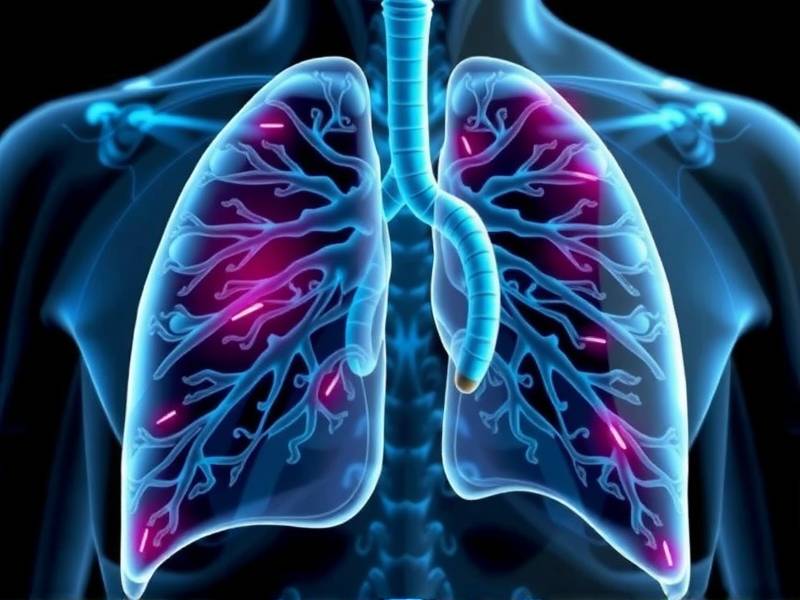
I. The Immediate Impact of Quitting Smoking
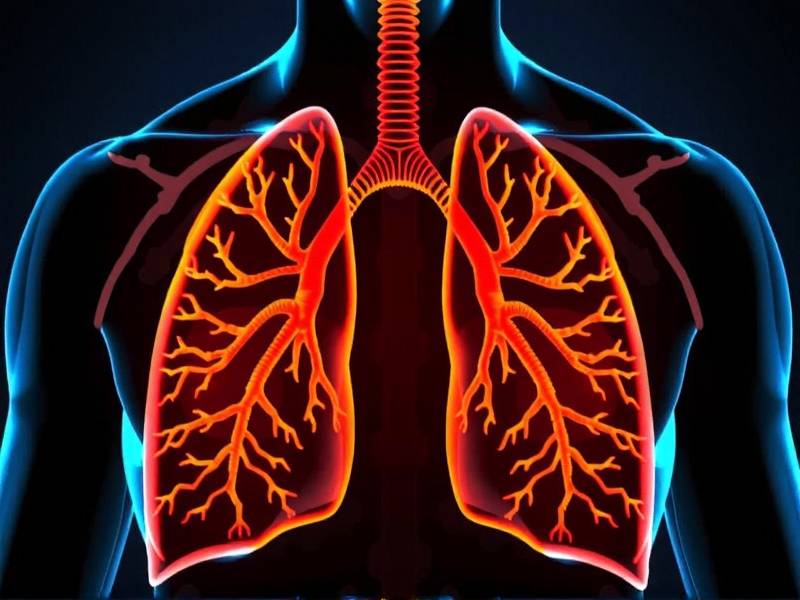
When you quit smoking, your lungs begin to heal almost immediately. Within just 20 minutes after your last cigarette, your heart rate and blood pressure start to decrease, and your body starts to release carbon monoxide levels back to normal.
II. The First Month: Clearing Out the Clogs
During the first month after quitting, you may experience an increase in coughing as your lungs begin to clear out mucus and debris accumulated from years of smoking. This process is known as mucociliary clearance, where your body works hard to remove harmful substances from the airways.
III. The First Year: Improved Lung Function
After one year of quitting smoking, you can expect a significant improvement in lung function. Your risk of heart disease decreases by half compared to when you were smoking, and your chances of suffering from chronic obstructive pulmonary disease (COPD) decrease by 50%.
IV. The Long-Term Benefits: Cleaner Lungs for Life
The journey towards cleaner lungs doesn't end after one year; it continues throughout your life. By staying smoke-free, you can significantly reduce the risk of developing lung cancer and other respiratory diseases.
- After 5 years: Your risk of stroke decreases by half.
- After 10 years: Your risk of lung cancer decreases by half.
- After 15 years: Your risk of coronary heart disease is similar to that of someone who has never smoked.
V. Tips for Maintaining Clean Lungs
To ensure that your lungs stay healthy and clean, here are some tips:
- Avoid secondhand smoke.
- Practice deep breathing exercises.
- Stay hydrated.
- Engage in regular physical activity.
- Consider joining a support group or seeking professional help if needed.
Conclusion: The journey towards cleaner lungs after quitting smoking may seem long at first, but it's worth every step along the way. By understanding the timeline and taking proactive steps to maintain lung health, you can enjoy a better quality of life with each passing day.
Remember, it's never too late to quit smoking and start improving your health today!