
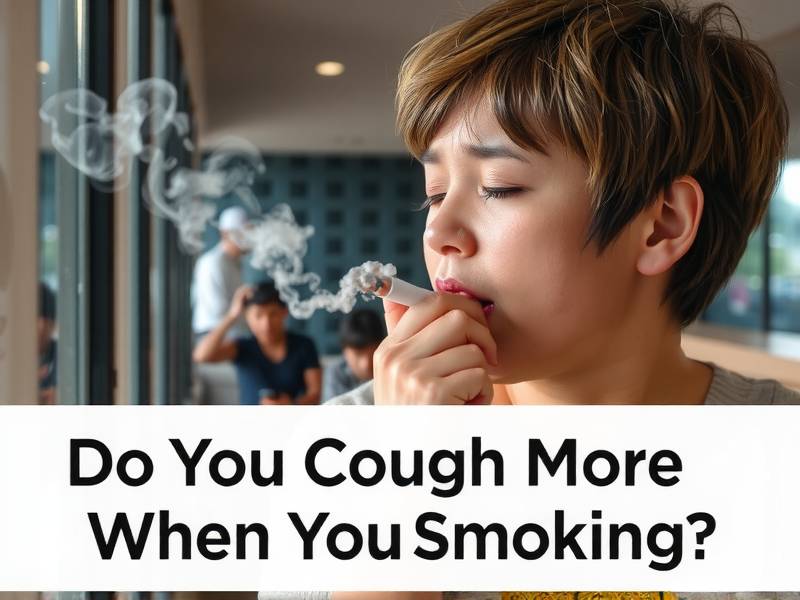
Do You Cough More When You Quit Smoking? The Science Behind the Symptom
Do You Cough More When You Quit Smoking? Unveiling the Science Behind This Symptom
Introduction: Quitting smoking is a significant decision that can lead to numerous health benefits. However, one common symptom experienced by many individuals during the quitting process is an increase in coughing. In this article, we delve into the science behind this phenomenon and explore why it occurs.
Section 1: Understanding the Process of Quitting Smoking When you quit smoking, your body starts to undergo various changes as it tries to heal itself from the harmful effects of tobacco. The first few weeks can be challenging, with withdrawal symptoms such as cravings, irritability, and mood swings. One of these symptoms is an increase in coughing.

Section 2: The Science Behind Increased Coughing The primary reason for the increased coughing when quitting smoking is due to the body's natural response to clearing out mucus buildup. Here's a closer look at how it works:
-
Nicotine Withdrawal: Nicotine, a substance found in tobacco, causes your body to produce more mucus as a protective mechanism. When you quit smoking, your body goes into withdrawal and starts producing excess mucus.
-
Cilia Function: Your respiratory system has tiny hair-like structures called cilia that help move mucus out of your lungs. Nicotine affects these cilia, causing them to become less effective in removing mucus. As you quit smoking, your cilia start to regain their function, leading to an increase in coughing as they clear out accumulated mucus.
-
Inflammation and Irritation: Smoking causes inflammation and irritation in the respiratory tract. When you quit smoking, your body begins to heal itself from these damages, which can result in an increased production of mucus and subsequent coughing.
Section 3: Coping with Increased Coughing While increased coughing can be uncomfortable and unsettling for some individuals during the quitting process, there are ways to manage it:
-
Stay Hydrated: Drinking plenty of water helps thin out mucus and makes it easier for your body to expel it through coughing.
-
Use Humidifiers: Humidifiers add moisture to the air in your home or office space, which can help soothe your throat and reduce coughing.
-
Avoid Irritants: Stay away from cigarette smoke or any other irritants that may trigger or worsen your cough.
-
Practice Deep Breathing Exercises: Deep breathing exercises can help relax your respiratory muscles and reduce coughing.
Conclusion: Increased coughing when quitting smoking is a common symptom caused by the body's natural response to healing itself from years of exposure to tobacco smoke. By understanding this phenomenon and implementing coping strategies, individuals can navigate through this challenging phase more comfortably on their journey towards a smoke-free life.