
Does Quitting Smoking Affect Your Bowel Movements? The Science Behind the Question
Does Quitting Smoking Affect Your Bowel Movements? The Science Behind the Question
Introduction: The decision to quit smoking is a significant step towards improving one's health. However, many smokers are concerned about potential side effects, including the impact on bowel movements. In this article, we delve into the science behind this question and explore how quitting smoking might affect your bowel health.
-
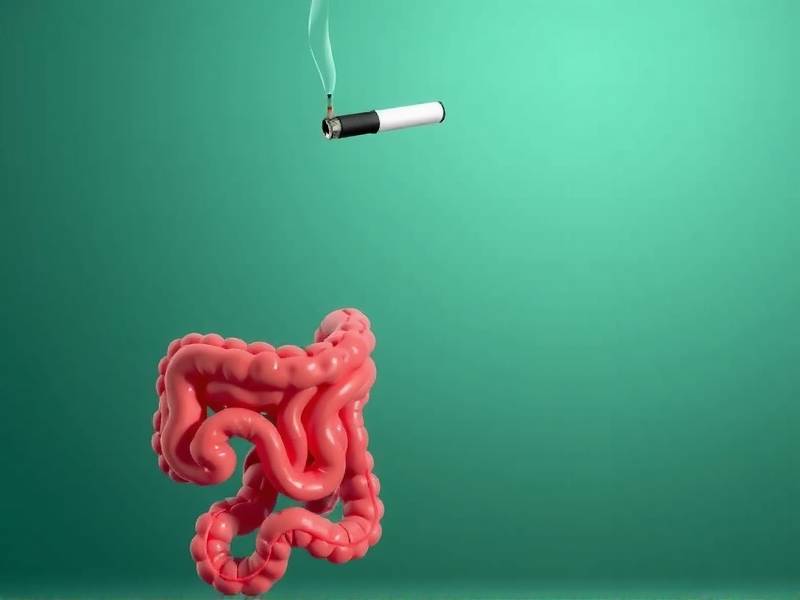
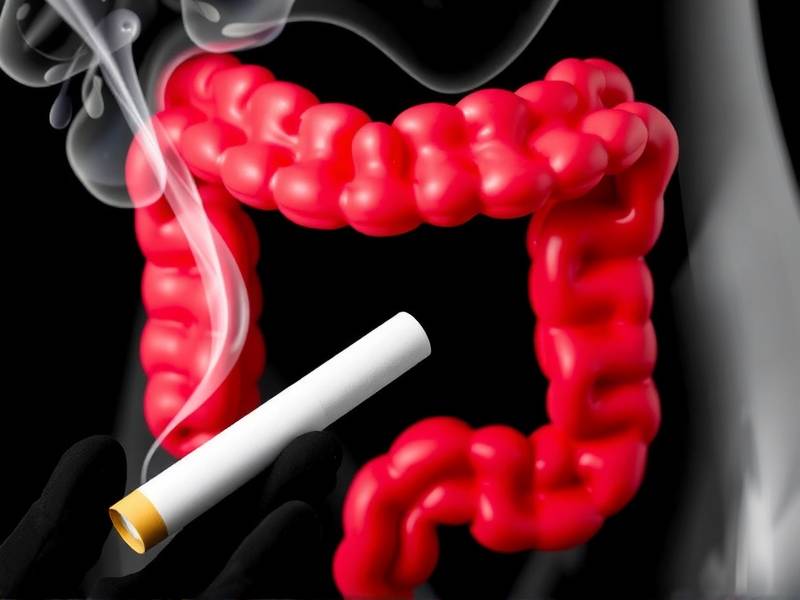
Understanding Smoking and Bowel Movements Smoking has been linked to various health issues, and its impact on the digestive system is no exception. When you smoke, the chemicals in tobacco can affect the muscles in your digestive tract, potentially leading to changes in bowel movements.
-
The Science Behind Quitting Smoking and Bowel Health Research suggests that quitting smoking can have a positive effect on bowel movements. Here's how:
a. Improved Digestive Function: As you quit smoking, the muscles in your digestive tract begin to function better. This can lead to more regular bowel movements and a decrease in constipation or diarrhea.
b. Reduced Inflammation: Smoking has been associated with inflammation in various parts of the body, including the digestive system. Quitting smoking can help reduce inflammation and promote a healthier gut environment.
c. Enhanced Intestinal Permeability: Smoking may increase intestinal permeability, leading to leaky gut syndrome. By quitting smoking, you can improve intestinal permeability and reduce the risk of leaky gut syndrome.
-
The Transition Period It's important to note that during the transition period of quitting smoking, some individuals may experience changes in bowel movements due to nicotine withdrawal or other factors such as stress or dietary changes.
-
Strategies for Managing Bowel Changes To manage any changes in bowel movements while quitting smoking:
a. Stay Hydrated: Drinking plenty of water can help maintain regular bowel movements.
b. Eat a Balanced Diet: Incorporate fiber-rich foods like fruits, vegetables, whole grains, and legumes into your diet to promote healthy digestion.
c. Exercise Regularly: Regular physical activity can help stimulate your digestive system and improve bowel movements.
- Seek Professional Advice If you experience persistent changes in bowel movements after quitting smoking or have any concerns about your digestive health, it's essential to consult with a healthcare professional for personalized advice.
Conclusion: Quitting smoking is an excellent decision for overall health improvement, including bowel health. While some individuals may experience temporary changes in bowel movements during the transition period, research suggests that these effects are generally short-lived and that long-term benefits outweigh any potential drawbacks.
By adopting healthy lifestyle choices such as staying hydrated, eating a balanced diet rich in fiber, and exercising regularly, you can support your body's adjustment process while enjoying improved bowel health as a result of quitting smoking.