
Can Quitting Smoking Reverse Heart Disease?
Can Quitting Smoking Reverse Heart Disease? A Comprehensive Guide
Introduction: The Heart's Struggle with Smoking
Smoking is a well-documented risk factor for heart disease. It damages the lining of arteries, increases blood pressure, and accelerates the buildup of plaques that can lead to heart attacks and strokes. But what if there's hope beyond the quitting stage? Can quitting smoking actually reverse heart disease? Let's delve into the latest research and insights.
Understanding Heart Disease and Smoking
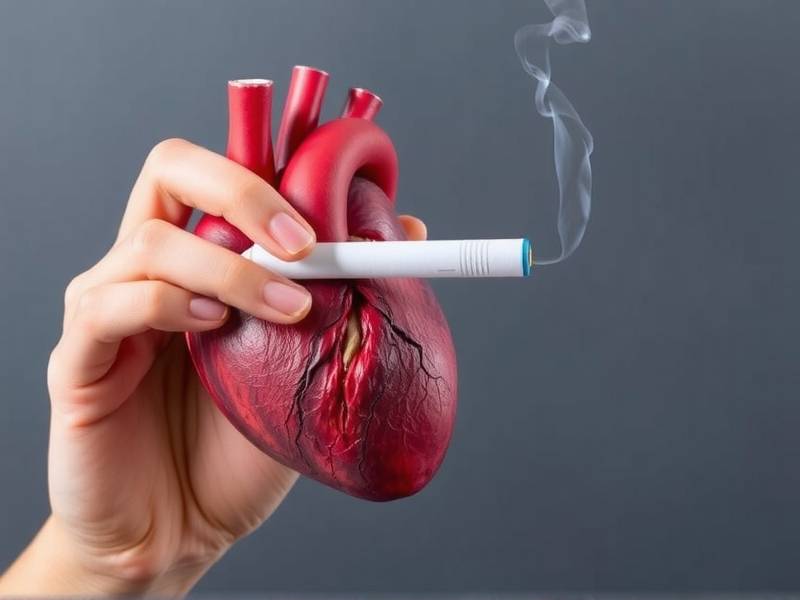
Heart disease encompasses a range of conditions affecting the heart, including coronary artery disease, myocardial infarction (heart attack), and heart failure. Smoking contributes significantly to these conditions by causing inflammation, thickening of blood vessels, and increasing the risk of blood clots.
The Potential for Reversal: What the Studies Say
Several studies have shown promising results regarding the reversal of heart disease through smoking cessation. Here are some key findings:
1. Improved Arterial Function Research published in the Journal of the American College of Cardiology suggests that just one year after quitting smoking, there is a significant improvement in arterial function. This means that over time, the elasticity and health of your arteries can begin to recover.
2. Reduced Plaque Buildup A study in The Lancet reported that long-term nonsmokers had less plaque buildup in their arteries compared to those who continued smoking. This reduction in plaque can lower the risk of future cardiovascular events.
3. Enhanced Blood Flow Another study from The New England Journal of Medicine found that within 24 hours of quitting smoking, there is an immediate improvement in blood flow through arteries. This improvement continues to grow over time as smoking cessation persists.
4. Lower Blood Pressure Quitting smoking can lead to a gradual decrease in blood pressure. This is crucial because high blood pressure is a significant risk factor for heart disease.
5. Reduced Risk of Heart Attack and Stroke Long-term studies have consistently shown that former smokers have a lower risk of experiencing a heart attack or stroke compared to current smokers.
The Path to Reversal: Tips for Success
If you're considering quitting smoking to reverse heart disease, here are some tips to increase your chances of success:
- Seek Professional Help: Utilize resources such as counseling, medications, or nicotine replacement therapies.
- Set Realistic Goals: Break down your journey into manageable milestones.
- Find Support: Join support groups or find an accountability partner.
- Stay Active: Regular exercise can complement your efforts to quit smoking.
- Monitor Your Progress: Keep track of your improvements in health markers like blood pressure and cholesterol levels.
Conclusion: A New Lease on Life
The evidence is clear: quitting smoking can indeed reverse heart disease over time. While it's never too late to quit, it's best done as soon as possible. If you're ready to take this vital step towards better health, remember that every day without tobacco is a step closer to reversing damage and improving your cardiovascular health.
Remember, while this article provides valuable insights, it should not replace professional medical advice. Always consult with healthcare providers for personalized guidance on managing heart disease and quitting smoking.