
Will You Cough a Lot When You Quit Smoking?
Navigating the Coughing Curve: What to Expect When You Quit Smoking
Introduction: Quitting smoking is a significant step towards a healthier life, but it often comes with its own set of challenges. One common concern among smokers contemplating quitting is the possibility of experiencing an increase in coughing. In this article, we'll explore what causes coughing when you quit smoking and how you can manage this transition.
Understanding the Coughing Phenomenon
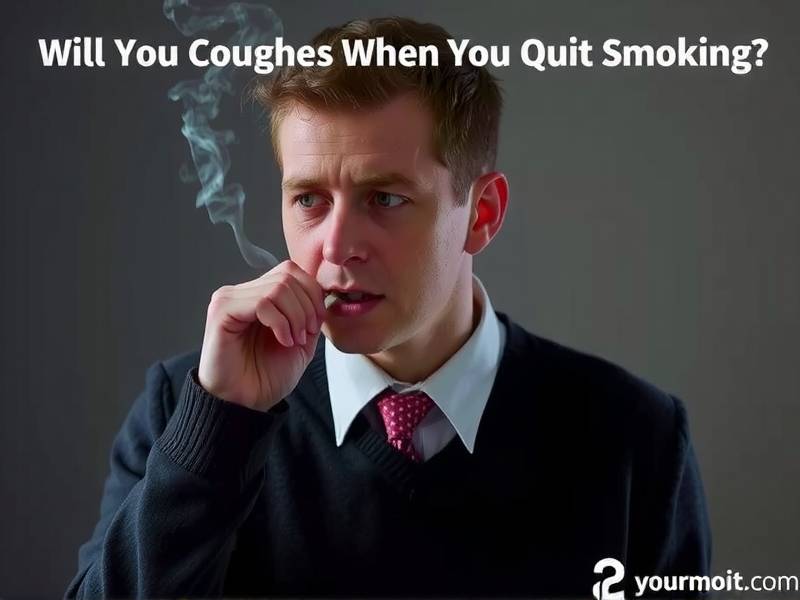
1. The Role of Nicotine Nicotine, the addictive substance in cigarettes, affects your respiratory system. When you quit smoking, your body starts to rid itself of nicotine and other chemicals that have accumulated over time. This process can trigger a cough as your lungs try to clear out the accumulated mucus and tar.
2. The Body's Response to Change Your body adapts to the constant irritation caused by smoking. Quitting disrupts this balance, leading to an increased sensitivity to irritants like dust or allergens. This heightened sensitivity can cause a persistent cough as your body adjusts.
3. Mucus Production The absence of nicotine also leads to changes in mucus production within your respiratory tract. Smokers often produce less mucus than non-smokers due to nicotine's effect on mucus glands. When you stop smoking, these glands may start producing more mucus, which can lead to coughing.
Managing Coughing During Quitting
4. Gradual Reduction If you're planning to quit smoking, consider reducing your cigarette intake gradually rather than quitting cold turkey. This approach allows your body more time to adjust and can reduce the severity of withdrawal symptoms, including coughing.
5. Hydration and Steam Therapy Drinking plenty of fluids helps thin out mucus and make it easier for your body to expel it naturally. Steam therapy using hot water vapor can also help soothe your throat and open up airways.
6. Breathing Exercises Engaging in deep breathing exercises can improve lung capacity and help alleviate coughing by encouraging better air flow through the lungs.
7. Consult Your Healthcare Provider If you find that your cough persists or worsens despite these measures, it's essential to consult with a healthcare provider who can offer personalized advice and rule out any underlying conditions.
Conclusion: Coughing is a common side effect when quitting smoking due to changes in lung function and increased mucus production. By understanding these changes and adopting strategies for managing them, you can navigate this aspect of quitting more comfortably. Remember that persistence is key—each day without a cigarette brings you closer to improved health and well-being!