
How to Improve Your Lungs After You Quit Smoking: Tips and Strategies for Better Health
"How to Improve Your Lungs After You Quit Smoking: Tips and Strategies for Better Health"
Introduction: Quitting smoking is a significant step towards a healthier life, but the journey doesn't end there. Many individuals who have quit smoking often wonder how to improve their lung health further. This article provides practical tips and strategies to help you breathe easier and improve your overall well-being after quitting.
Understanding the Impact of Smoking on Lungs
-
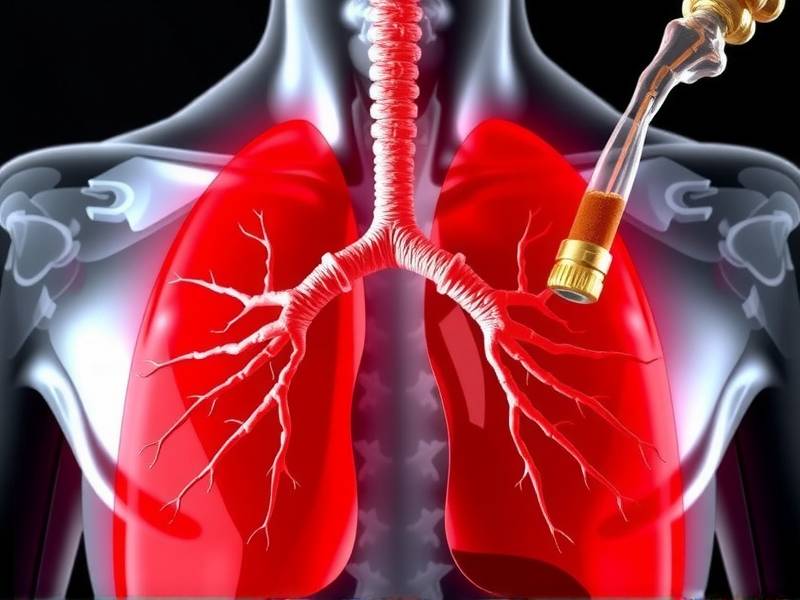
The Deterioration of Lung Function: Smoking causes significant damage to the lungs, leading to reduced lung capacity, inflammation, and an increased risk of respiratory diseases. It's essential to understand the extent of this damage before taking steps to reverse it.
-
The Healing Process: After quitting, your lungs begin the healing process. This process can take several years, but with the right approach, you can accelerate it.
Tips for Improving Lung Health After Quitting Smoking
-
Regular Exercise: Physical activity enhances lung function by increasing oxygen flow throughout the body. Engage in activities like walking, cycling, or swimming regularly.
-
Deep Breathing Exercises: Practice deep breathing exercises such as diaphragmatic breathing or pursed-lip breathing to improve lung capacity and reduce shortness of breath.
-
Avoid Exposure to Pollutants: Protect your lungs by avoiding secondhand smoke, dust, chemical fumes, and other pollutants that can exacerbate lung issues.
-
Healthy Diet: A balanced diet rich in fruits, vegetables, lean proteins, and whole grains can provide essential nutrients for lung repair and maintenance.
-
Stay Hydrated: Drinking plenty of water helps maintain healthy mucus production in the lungs and aids in toxin elimination.
-
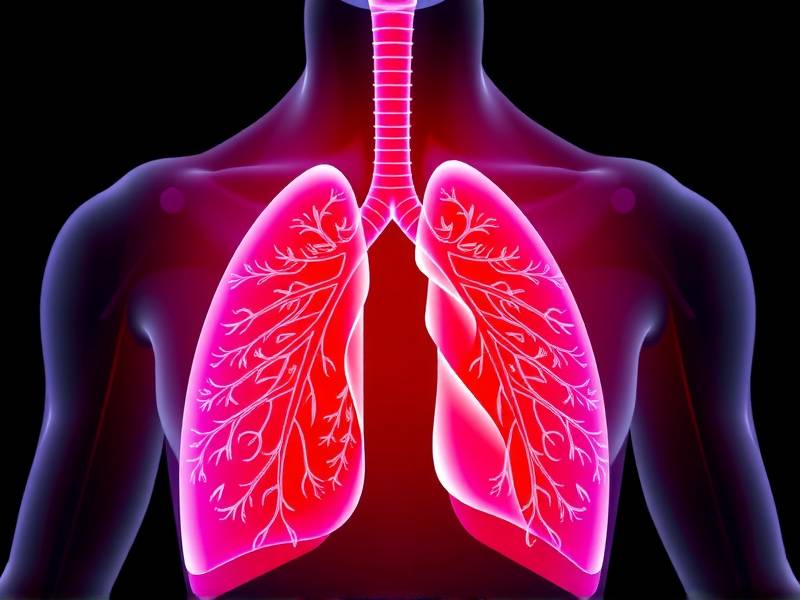
Get Regular Check-ups: Regular medical check-ups can help monitor your lung health and identify any potential issues early on.
Strategies for Better Lung Health
-
Use Supplements Wisely: Consider supplements like vitamin C, vitamin E, selenium, or omega-3 fatty acids under medical supervision to support lung health.
-
Quitting Nicotine Replacement Therapy (NRT): If you're using NRT as a quit-smoking aid, consult with a healthcare professional about gradually reducing its use once you've been smoke-free for an extended period.
-
Mindfulness and Stress Reduction Techniques: Stress can exacerbate respiratory conditions; therefore, practicing mindfulness or meditation may help manage stress levels and promote better lung function.
Conclusion:
Improving your lung health after quitting smoking is a gradual process that requires patience and dedication. By incorporating these tips and strategies into your lifestyle, you'll be well on your way to enjoying improved respiratory function and overall well-being. Remember that seeking professional advice is crucial when making significant changes to your lifestyle or considering new treatments or supplements for better health outcomes after quitting smoking.