
Why Does Your Chest Hurt When You Quit Smoking? The Science Behind the Symptoms
Why Does Your Chest Hurt When You Quit Smoking? The Science Behind the Symptoms
Introduction: Quitting smoking is a significant step towards a healthier lifestyle. However, it can come with various challenges, including discomfort in the chest area. This article delves into the science behind why your chest might hurt when you quit smoking, providing valuable insights into managing these symptoms effectively.
Understanding the Symptoms

-
Chest Tightness and Pain When you quit smoking, your body goes through a process of detoxification. Nicotine withdrawal can lead to chest tightness and pain due to changes in blood flow and lung function. These symptoms are often temporary but can be quite uncomfortable.
-
Increased Breathing Effort The carbon monoxide in cigarettes binds to hemoglobin in your blood, reducing its oxygen-carrying capacity. When you stop smoking, your body starts to repair this damage, which can make breathing feel more challenging initially.
-
Coughing and Phlegm Production Quitting smoking triggers an increase in coughing and phlegm production as your lungs start to clear out tar and other debris accumulated from years of smoking.
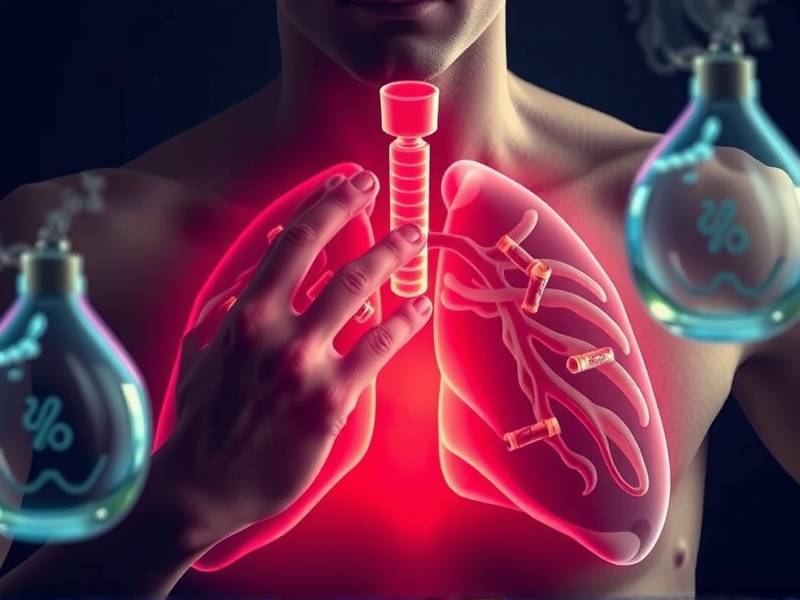
The Science Behind the Symptoms
-
Nicotine Withdrawal Nicotine is a potent stimulant that affects the brain's reward system. When you stop smoking, your body experiences withdrawal symptoms, including increased heart rate and blood pressure, which can contribute to chest discomfort.
-
Inflammation and Irritation The chemicals in cigarettes cause inflammation and irritation in the respiratory system. Quitting smoking helps reduce this inflammation over time but may initially exacerbate symptoms due to increased mucus production.
-
Lung Repair As your body repairs lung damage caused by smoking, it may experience temporary discomfort as it heals itself.
Managing Chest Discomfort
-
Stay Hydrated Drinking plenty of water helps thin mucus and makes it easier to cough up.
-
Deep Breathing Exercises Practice deep breathing exercises to improve lung capacity and reduce tension in the chest muscles.
-
Seek Professional Guidance If chest pain persists or worsens, consult a healthcare professional for advice on managing symptoms effectively.
Conclusion: While quitting smoking may initially bring about discomfort in the chest area due to various physiological changes, understanding these symptoms' underlying causes can help manage them more effectively. By staying hydrated, practicing deep breathing exercises, and seeking professional guidance when needed, you can navigate this phase of quitting with greater ease and move closer to a healthier life without tobacco's harmful effects on your respiratory health.