Can Xanax Really Help You Quit Smoking? A Comprehensive Guide
Can Xanax Really Help You Quit Smoking? A Comprehensive Guide
Introduction: Quitting smoking is a challenging endeavor for many, and individuals often seek various methods to overcome their nicotine addiction. One such method that has sparked curiosity is the use of Xanax, a benzodiazepine medication. In this comprehensive guide, we will explore whether Xanax can genuinely aid in smoking cessation and provide you with all the necessary information to make an informed decision.
I. Understanding Xanax
-
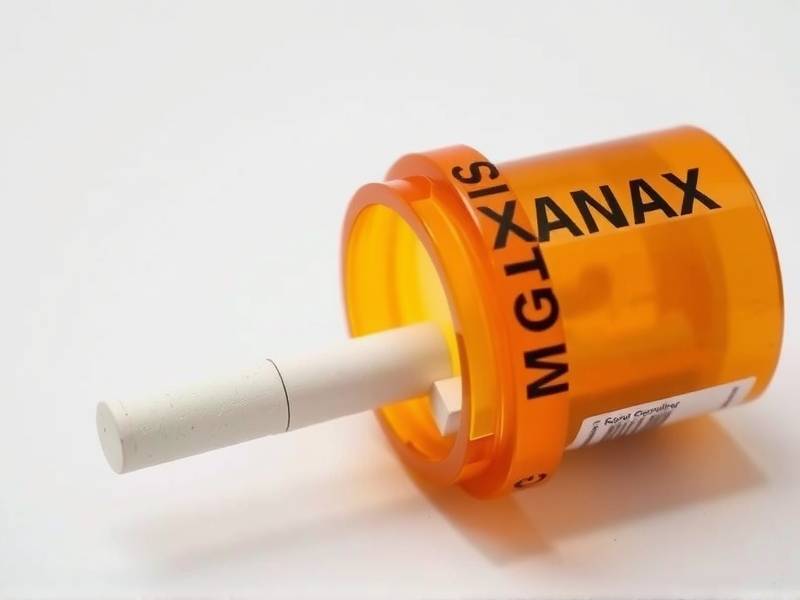
What is Xanax? Xanax, also known as alprazolam, is a benzodiazepine medication primarily prescribed for the treatment of anxiety disorders. It works by enhancing the effects of a neurotransmitter called gamma-aminobutyric acid (GABA) in the brain, which helps to reduce anxiety and promote relaxation.
-
Mechanism of Action Xanax binds to specific receptors in the brain, which leads to an increase in GABA activity. This heightened GABA activity helps alleviate anxiety symptoms and may potentially aid in smoking cessation by reducing withdrawal symptoms associated with nicotine addiction.
II. Can Xanax Help You Quit Smoking?
-
Potential Benefits a. Anxiety Reduction: Smokers often experience anxiety during withdrawal from nicotine, which can lead to relapse. Xanax's ability to reduce anxiety may help individuals manage withdrawal symptoms more effectively. b. Relaxation: The calming effects of Xanax can help individuals relax during the quitting process, making it easier to cope with cravings and stress.
-
Potential Risks and Considerations a. Dependence: Benzodiazepines like Xanax carry a risk of dependence and potential withdrawal symptoms if not used correctly or abruptly discontinued. b. Side Effects: Common side effects of Xanax include drowsiness, dizziness, confusion, and memory problems. c. Interaction with Nicotine: Combining Xanax with nicotine can enhance its sedative effects and increase the risk of adverse reactions.
III. Alternative Methods for Smoking Cessation
- Nicotine Replacement Therapy (NRT): NRT products like gum, patches, lozenges, inhalers, or nasal sprays provide controlled doses of nicotine without the harmful tar and chemicals found in cigarettes.
- Behavioral Therapy: Cognitive-behavioral therapy (CBT) and other forms of behavioral therapy can help individuals develop coping strategies for cravings and stress.
- Medications: Other medications approved by the FDA for smoking cessation include varenicline (Chantix) and bupropion (Zyban).
IV. Conclusion While some individuals may find temporary relief from withdrawal symptoms using Xanax during their quit-smoking journey, it is essential to approach this method with caution due to potential risks associated with benzodiazepine dependence and side effects.
It is advisable to consult with healthcare professionals before considering Xanax as part of your smoking cessation strategy. They can assess your specific situation and provide guidance on alternative methods that may be more suitable for you.
Remember that quitting smoking is a highly individualized process, and what works for one person may not work for another. Exploring various options such as NRT, behavioral therapy, or other medications alongside professional support can increase your chances of successful smoking cessation.
Note: This article does not promote or endorse the use of any illegal substances or prescription medications without proper medical guidance.