
How Long Does It Take to Restore Your Lungs After Quitting Smoking?
The Journey to Lung Restoration: How Long After Quitting Smoking?
Introduction: Quitting smoking is a monumental step towards a healthier life, but many smokers often wonder about the timeline for their lungs to recover. The journey of lung restoration after quitting smoking can vary from person to person, but understanding the process can provide hope and motivation for those looking to kick the habit. In this article, we will explore how long it takes for the lungs to begin healing and what you can expect on this transformative journey.
The Immediate Impact of Quitting Smoking
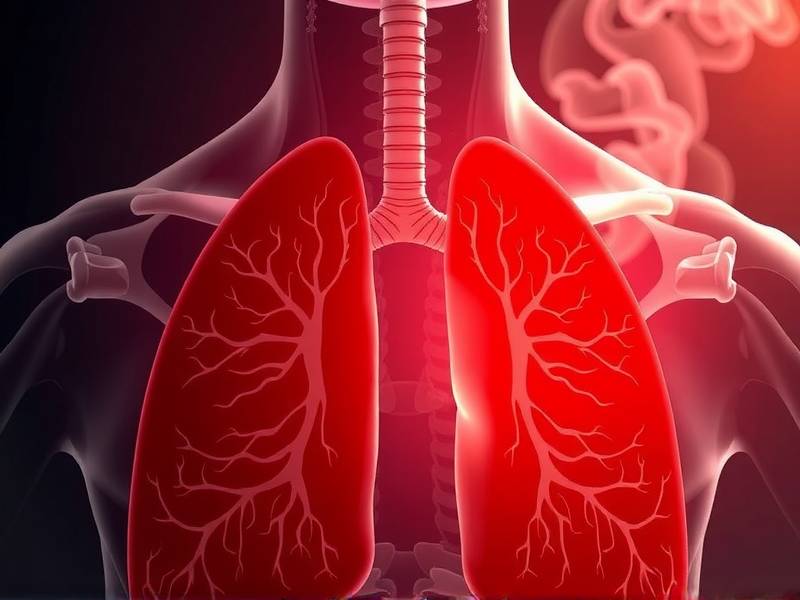
When you quit smoking, your body starts its healing process almost immediately. Within hours, your blood pressure begins to drop, and carbon monoxide levels in your blood start to decrease. This is a promising sign that your body is already working towards repair.
Weeks 1-2: The Early Recovery Phase
In the first few weeks after quitting, you may notice some immediate changes. Your sense of smell and taste often improve as your body rids itself of the toxic substances present in cigarettes. Additionally, your heart rate and blood pressure continue to stabilize.
During this phase, your lungs start to clear out mucus and debris that have accumulated over time due to smoking. You might experience some coughing or wheezing as your lungs try to expel these irritants. While this can be uncomfortable, it's a sign that your respiratory system is on its way back.
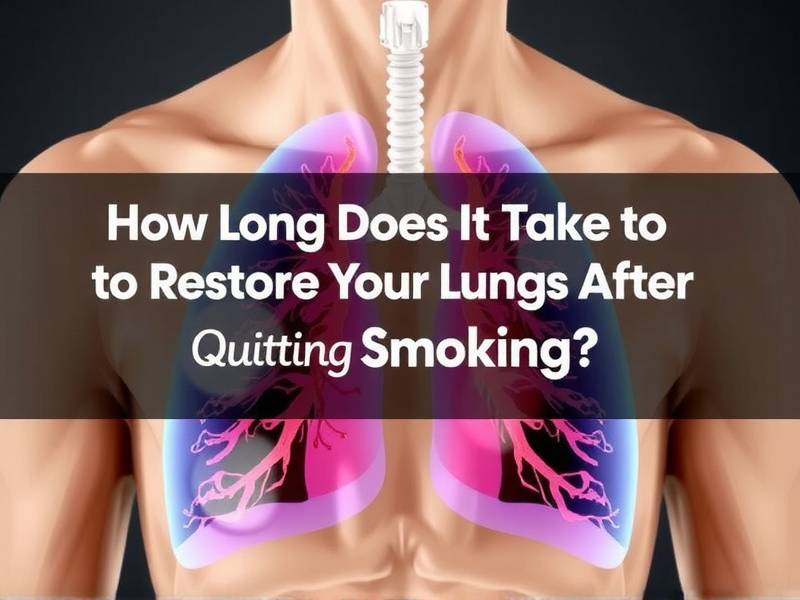
Months 1-9: Gradual Improvement
By the first three months post-quit, you'll likely notice significant improvements in lung function. Your risk of heart disease starts to decline as your cardiovascular system strengthens. Your coughing should also begin to subside.
Over the next six months, you'll continue to see improvements in lung capacity and overall respiratory health. Many former smokers report feeling more energetic and experiencing fewer respiratory infections compared to when they were smoking.
Years 5-10: Long-Term Benefits
After five years without smoking, your risk of stroke decreases significantly. Ten years post-quit marks a significant milestone as it reduces your risk of cancer by half compared to continuing smokers.
Your lungs will continue to heal throughout these years. By now, most of the damage caused by smoking should be reversed, leading to better overall health outcomes.
What Can You Do To Speed Up Recovery?
While everyone's recovery process is unique, there are steps you can take to support lung restoration:
- Stay smoke-free: Avoid secondhand smoke and other tobacco products.
- Exercise: Regular physical activity can improve lung function.
- Maintain a healthy diet: A balanced diet rich in fruits and vegetables supports overall health.
- Avoid exposure: Minimize exposure to air pollutants and allergens.
- Seek professional help: If you're struggling with quitting smoking or managing lung health issues, consult with healthcare professionals.
Conclusion: The journey towards lung restoration after quitting smoking is one that requires patience and commitment. While it varies from person to person, understanding the stages of recovery can provide a clearer picture of what lies ahead for those looking to improve their respiratory health after quitting tobacco use. Remember that every puff counts – take each day as an opportunity for better health and well-being.