
Is It Normal to Feel Sick After Quitting Smoking?
Understanding the Body's Reaction: Is It Normal to Feel Sick After Quitting Smoking?
Introduction: Quitting smoking is a significant decision that can lead to numerous health benefits. However, many individuals experience unpleasant symptoms during the withdrawal process. One common question that arises is whether it is normal to feel sick after quitting smoking. In this article, we will explore the reasons behind these symptoms and provide insights into how your body adjusts to life without tobacco.
1. The Role of Nicotine Withdrawal
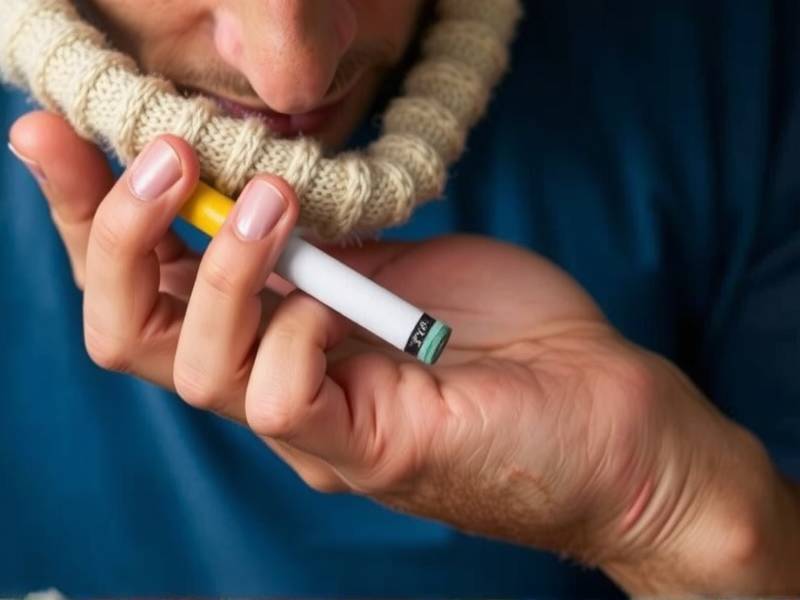
When you quit smoking, your body goes through nicotine withdrawal. Nicotine is an addictive substance found in tobacco products, and your body becomes dependent on it. When you stop consuming nicotine, your brain and body react by producing various symptoms.
2. Common Symptoms of Nicotine Withdrawal
Here are some of the most common symptoms experienced during nicotine withdrawal:
- Irritability: Quitting smoking can cause mood swings and irritability due to changes in brain chemistry.
- Increased Appetite: Many people report a surge in appetite after quitting smoking, which can lead to weight gain.
- Insomnia: Some individuals may experience difficulty falling asleep or staying asleep due to nicotine withdrawal.
- Headaches: Nicotine acts as a stimulant and constricts blood vessels in the brain; when you stop using it, these blood vessels can become dilated, causing headaches.
- Coughing and Chest Discomfort: The body begins to clear out mucus and tar that have accumulated in the lungs over time.
3. How Long Do These Symptoms Last?
The duration of nicotine withdrawal symptoms can vary from person to person. Most individuals find that their symptoms begin to diminish within a few days or weeks after quitting smoking. However, some people may experience withdrawal symptoms for several months.
4. Coping with Withdrawal Symptoms
There are various strategies you can employ to cope with nicotine withdrawal symptoms:
- Stay Hydrated: Drink plenty of water throughout the day.
- Exercise Regularly: Physical activity can help alleviate stress and improve mood.
- Eat Healthily: A balanced diet rich in fruits, vegetables, and whole grains can provide essential nutrients for recovery.
- Seek Support: Join a support group or talk with friends and family about your challenges.
5. Consult a Healthcare Professional
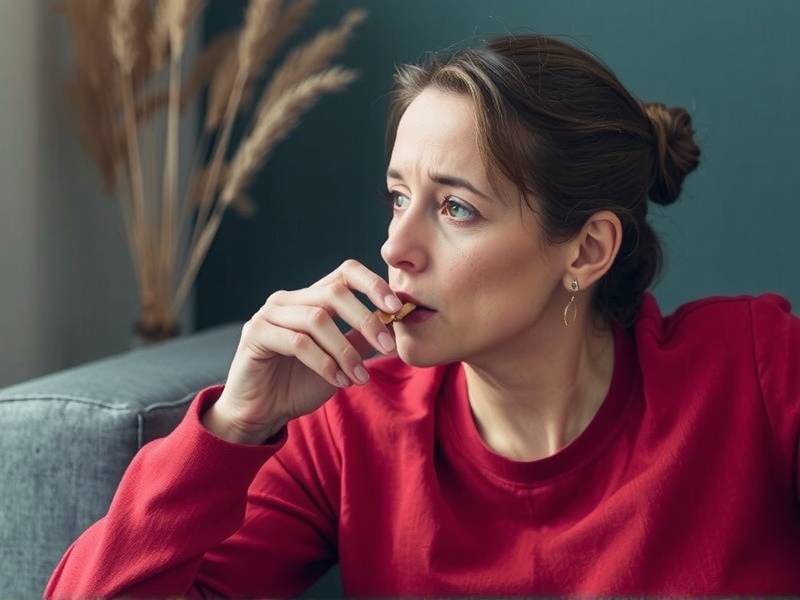
If you find it challenging to cope with nicotine withdrawal symptoms or if they persist for an extended period, consult a healthcare professional. They may recommend medications or other interventions tailored to your needs.
Conclusion:
Feeling sick after quitting smoking is a normal part of the process of nicotine withdrawal. By understanding the reasons behind these symptoms and implementing effective coping strategies, you can navigate this challenging phase more comfortably. Remember that quitting smoking is worth any temporary discomfort as it paves the way for improved health and well-being in the long run.