
How Long Does It Take for Lung Repair to Occur After Quitting Smoking?
The Journey to Lung Repair: How Long After Quitting Smoking?
Introduction: The decision to quit smoking is a significant step towards improving one's health. While the benefits of quitting are numerous, many individuals are curious about the timeline for lung repair after they kick the habit. This article delves into the process of lung repair and provides insights into how long it takes for the lungs to heal post-cessation.
Understanding Lung Damage from Smoking
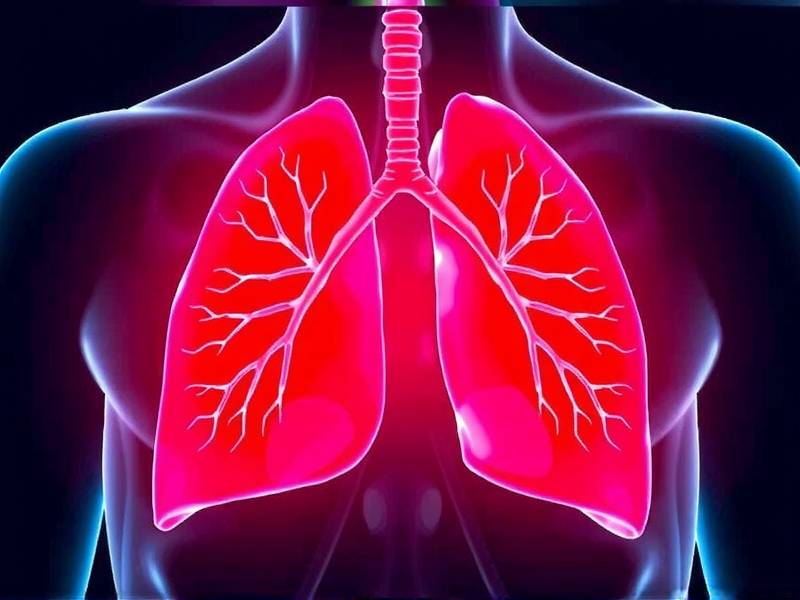
Smoking is a leading cause of chronic obstructive pulmonary disease (COPD), emphysema, and lung cancer. The chemicals in tobacco smoke can cause inflammation, scarring, and damage to the delicate tissues of the lungs. As you continue smoking, these damages accumulate and exacerbate over time.
The Initial Phase: Healing Begins Quickly
When you quit smoking, your body begins its healing process almost immediately. Within just 20 minutes of quitting, your heart rate and blood pressure start to return to normal levels. Within 12 hours, carbon monoxide levels in your blood drop significantly.
Weeks 1-3: Immediate Improvements
Within the first few weeks after quitting, you'll notice some immediate improvements in lung function. Your sense of taste and smell may become more acute as your body starts to clear out tar and other harmful substances from your respiratory system.
Months 6-12: Continued Improvement
Over the next several months, your lungs will continue to heal. By this time, you may experience a noticeable decrease in shortness of breath and an increase in your ability to exercise without becoming winded. This phase is crucial as it lays the foundation for long-term recovery.
Years 1-5: Gradual Healing Continues
During this period, healing becomes more gradual but significant. Your risk of developing heart disease decreases by half compared to a smoker's risk within one year after quitting. By five years post-quitting, your risk for stroke has also decreased significantly.
Long-term Recovery: A Lifelong Commitment
It's important to note that while significant improvements occur within a few years after quitting smoking, complete recovery may not happen overnight or even within a decade. The extent of lung repair depends on various factors such as age at cessation, duration of smoking history, and overall health status.
Conclusion
The journey towards lung repair after quitting smoking is an ongoing process that requires patience and commitment. While it's challenging to quit smoking due to addiction and withdrawal symptoms, understanding how quickly your body can begin healing can provide motivation for those looking to improve their health.
Remember that seeking support from healthcare professionals or joining support groups can make this journey easier. By taking steps towards a smoke-free life today, you're investing in a healthier future for yourself and those around you.