
Can Quitting Smoking Really Cause Dandruff?
Can Quitting Smoking Really Cause Dandruff? A Comprehensive Guide
Introduction: The Unexpected Side Effect of Quitting Smoking
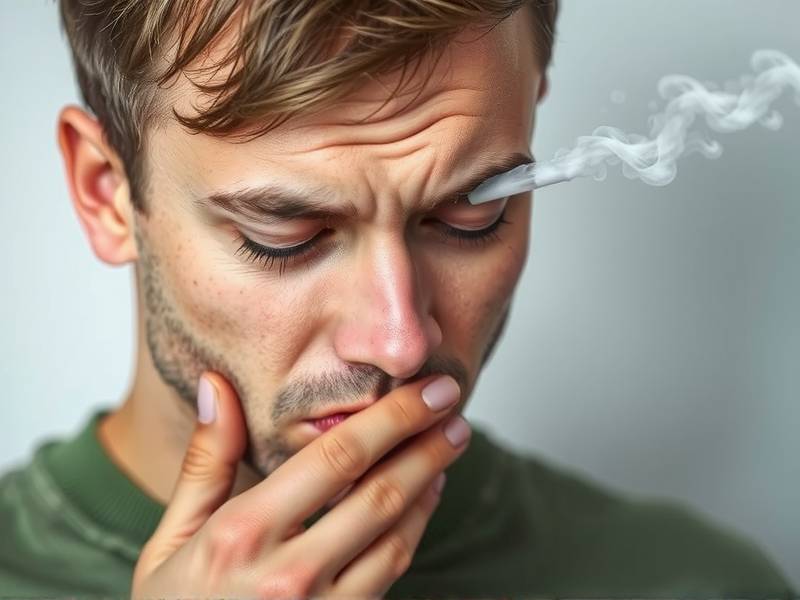
Quitting smoking is a significant step towards a healthier lifestyle, but it's not without its challenges. Many smokers report experiencing a range of withdrawal symptoms, from cravings and irritability to headaches and even dandruff. But can quitting smoking really cause dandruff? Let's delve into this unexpected side effect and what you can do about it.
Understanding Dandruff: What It Is and How It Develops
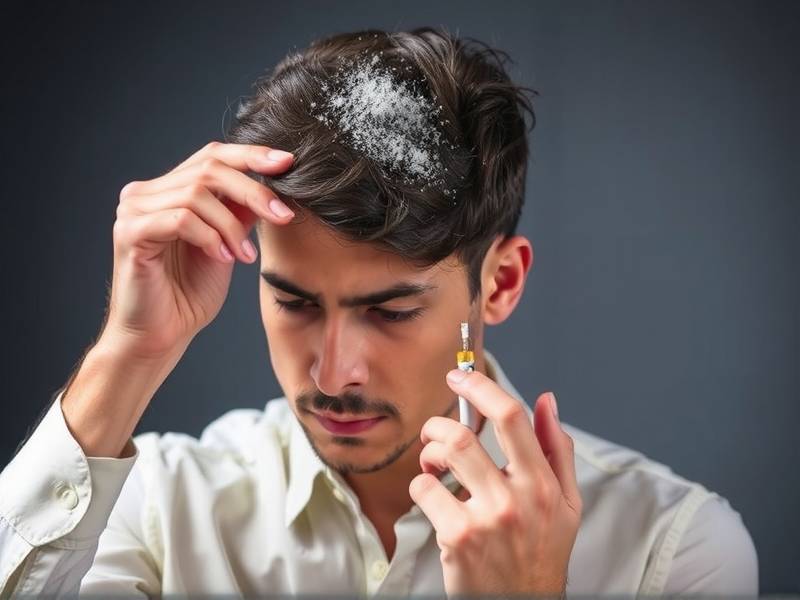
Dandruff is a common scalp condition characterized by flaking of the skin on the scalp. It occurs when the scalp becomes inflamed or irritated, leading to an overproduction of skin cells. These cells then die and accumulate on the scalp, forming the visible white or yellow scales we commonly refer to as dandruff.
Several factors can contribute to the development of dandruff, including:
- Dry Skin: A dry scalp can lead to an increase in dead skin cells.
- Seborrheic Dermatitis: An inflammatory condition that affects the oil-producing glands in the skin.
- Fungal Infections: Malassezia globosa, a type of yeast, can thrive on the scalp and lead to dandruff.
- Hormonal Changes: Fluctuations in hormones can exacerbate dandruff symptoms.
The Link Between Quitting Smoking and Dandruff
While it's not entirely clear why quitting smoking might trigger dandruff, there are several theories:
-
Increased Oil Production: Nicotine has been shown to reduce oil production on the skin. When you quit smoking, your oil glands may start producing more oil than usual, leading to a buildup of dead skin cells.
-
Skin Fluctuations: The process of quitting smoking may cause fluctuations in your body's hormonal balance, which could impact your scalp health.
-
Dry Skin: Nicotine also has a drying effect on the skin. Without this drying agent, some individuals may experience increased dryness on their scalps.
How to Manage Dandruff After Quitting Smoking
If you're experiencing dandruff after quitting smoking, here are some strategies that might help:
-
Use Anti-Dandruff Shampoos: Look for shampoos containing zinc pyrithione, ketoconazole, selenium sulfide, or tar. These ingredients can help control dandruff by reducing oil production or fighting off yeast infections.
-
Moisturize Your Scalp: Use a leave-in conditioner or hair oil to keep your scalp hydrated and prevent dryness.
-
Adjust Your Diet: Incorporate foods rich in omega-3 fatty acids (like fish) and probiotics (like yogurt) into your diet to support overall skin health.
-
Avoid Harsh Chemicals: Be cautious with hair products containing harsh chemicals that could further irritate your scalp.
-
Consult a Dermatologist: If home remedies don't seem to work or if your dandruff is severe, it's best to consult with a dermatologist for personalized advice.
Conclusion: Embracing Change for Healthier Hair
While it's not uncommon for smokers who quit to experience side effects like dandruff, it's important to remember that these are temporary challenges on the path to better health. By adopting effective strategies for managing dandruff and maintaining overall scalp health, you'll be well on your way to enjoying all the benefits that come with living smoke-free.