
Does Heart Heal After Quitting Smoking?
The Heart's Journey to Recovery: Can It Heal After Quitting Smoking?
Introduction: Smoking is a habit that can have devastating effects on the human body, especially the heart. Many smokers are aware of the risks but are often unsure about the possibility of recovery. One of the most common questions among ex-smokers is whether their hearts can heal after quitting smoking. In this article, we will explore the science behind heart recovery and provide insights into the journey of healing.
Understanding Heart Damage from Smoking
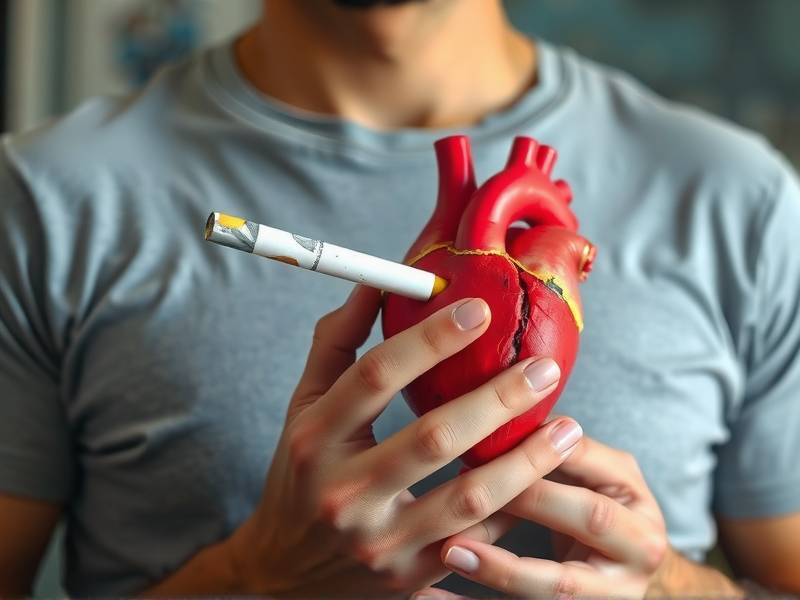
Smoking introduces harmful chemicals into the bloodstream, which can lead to various cardiovascular diseases. The damage to the heart starts with narrowing of arteries, known as atherosclerosis. This condition restricts blood flow and increases the risk of heart attacks and strokes.
The Healing Process
Research indicates that quitting smoking can significantly reduce these risks and even reverse some of the damage. The process begins almost immediately after quitting:
-
Immediate Benefits
- Within 20 minutes of quitting, your blood pressure and pulse rate start to drop.
- 12 hours later, carbon monoxide levels in your blood decrease to normal.
- 2-12 weeks after quitting, circulation improves, and lung function increases.
-
Medium-term Benefits
- Within 1-9 months, your risk for coronary heart disease decreases by half.
- 1 year after quitting, your risk for a stroke decreases by half.
-
Long-term Benefits
- Within 5-15 years after quitting, your risk for coronary heart disease becomes similar to that of a non-smoker.
- Your risk for stroke also decreases significantly over time.
The Heart's Journey to Full Recovery
While many aspects of heart health improve after quitting smoking, it's important to note that complete recovery may not occur for everyone. Factors such as age, overall health status, and genetics play a role in how quickly and effectively the heart recovers.
Lifestyle Changes for Optimal Recovery
To enhance your heart's healing process:
- Maintain a Healthy Diet: A balanced diet rich in fruits, vegetables, whole grains, lean proteins, and healthy fats can support cardiovascular health.
- Exercise Regularly: Physical activity strengthens your heart muscle and improves circulation.
- Manage Stress: Stress can worsen cardiovascular conditions; finding ways to manage stress is crucial for overall health.
- Avoid Secondhand Smoke: Secondhand smoke can hinder recovery efforts; it's important to avoid exposure.
Conclusion: Quitting smoking is an essential step towards improving heart health and reducing the risk of cardiovascular diseases. While complete recovery may not be guaranteed for everyone, research shows that significant improvements in cardiovascular health are possible with time and dedication. By adopting a healthy lifestyle and being patient with the healing process, individuals who quit smoking can look forward to a healthier future for their hearts.