
Can Quitting Smoking Really Make You Emotional?
Introduction: The Emotional Journey of Quitting Smoking
Quitting smoking is often considered a monumental challenge, not just physically but emotionally as well. Many smokers report experiencing a rollercoaster of emotions during their quit journey. But can quitting smoking really make you emotional? Let's delve into the emotional aspects of quitting smoking and understand the science behind it.
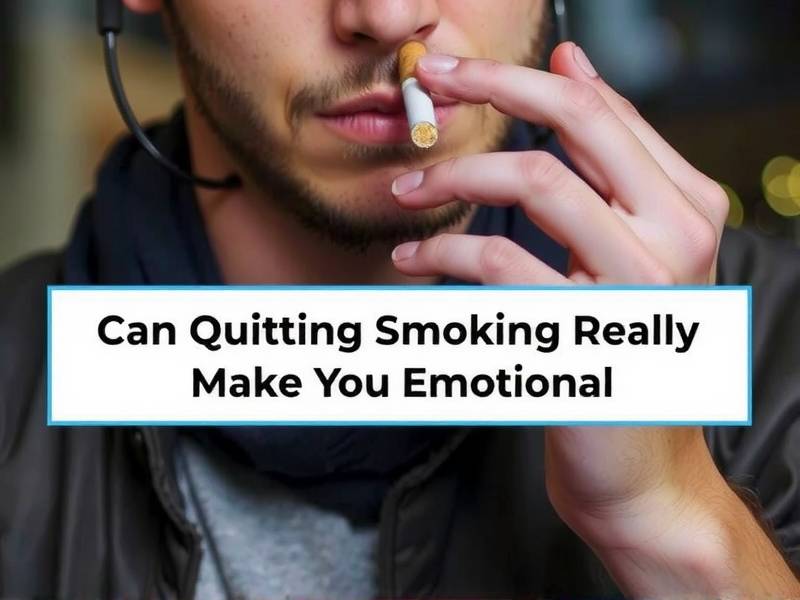
Understanding the Emotional Impact
1. Withdrawal Symptoms
One of the primary reasons why quitting smoking can be emotionally challenging is due to withdrawal symptoms. When you stop smoking, your body goes into withdrawal, which can trigger feelings of irritability, anxiety, and depression. These symptoms are a direct response to the absence of nicotine in your system.
2. Cravings and Urge to Smoke
Cravings for cigarettes are another emotional hurdle. The urge to smoke can be incredibly powerful and may lead to feelings of frustration, anger, or even desperation. It's important to recognize that these cravings are temporary and part of the process.

Coping with Emotional Challenges
1. Seek Support
Seeking support from friends, family, or support groups can be incredibly beneficial during your quit journey. Sharing your experiences with others who have gone through similar challenges can provide comfort and motivation.
2. Mindfulness and Relaxation Techniques
Practicing mindfulness and relaxation techniques such as meditation or deep breathing exercises can help manage stress and anxiety associated with quitting smoking.
The Role of Nicotine Replacement Therapy (NRT)
Nicotine replacement therapy (NRT) is a widely used method to help smokers quit. NRT provides a controlled amount of nicotine without the harmful chemicals found in cigarettes. While NRT can help alleviate withdrawal symptoms, it's essential to understand that it might also affect your mood temporarily.
Long-Term Emotional Benefits
Contrary to popular belief, quitting smoking can have long-term emotional benefits as well. Studies have shown that individuals who successfully quit smoking often experience improved mood, increased self-esteem, and reduced anxiety levels over time.
Conclusion: Embrace the Emotional Journey
In conclusion, quitting smoking can indeed make you emotional due to withdrawal symptoms and cravings. However, by seeking support, practicing mindfulness techniques, and understanding the long-term benefits of quitting, you can navigate this emotional journey more effectively. Remember that every step towards quitting is progress worth celebrating!