
Can You Still Get Lung Cancer Even After Quitting Smoking?
The Reality of Lung Cancer Post-Quitting Smoking: Can It Still Occur?
Introduction: Lung cancer is one of the most prevalent and deadly forms of cancer worldwide. The good news is that smoking cessation significantly reduces the risk of developing lung cancer. However, many individuals are left wondering if it's possible to still develop this condition even after quitting smoking. In this article, we delve into this question and explore the factors that contribute to lung cancer development in former smokers.
Understanding the Risks:
-
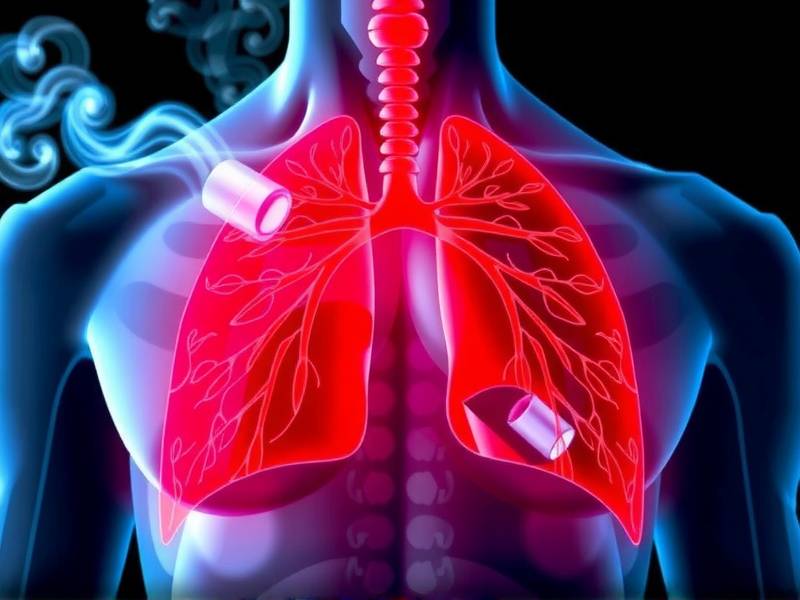
The Role of Smoking: Smoking is the leading cause of lung cancer, accounting for approximately 85% of all cases. When you smoke, harmful chemicals enter your lungs, causing inflammation and damage to lung tissue over time. Even after quitting, these effects may persist.
-
Exposure to Secondhand Smoke: Secondhand smoke exposure can also increase your risk of developing lung cancer. If you've been around smokers before quitting, this factor may have contributed to your risk.
-
Other Risk Factors: While quitting smoking reduces your risk significantly, other factors can still contribute to lung cancer development in former smokers:
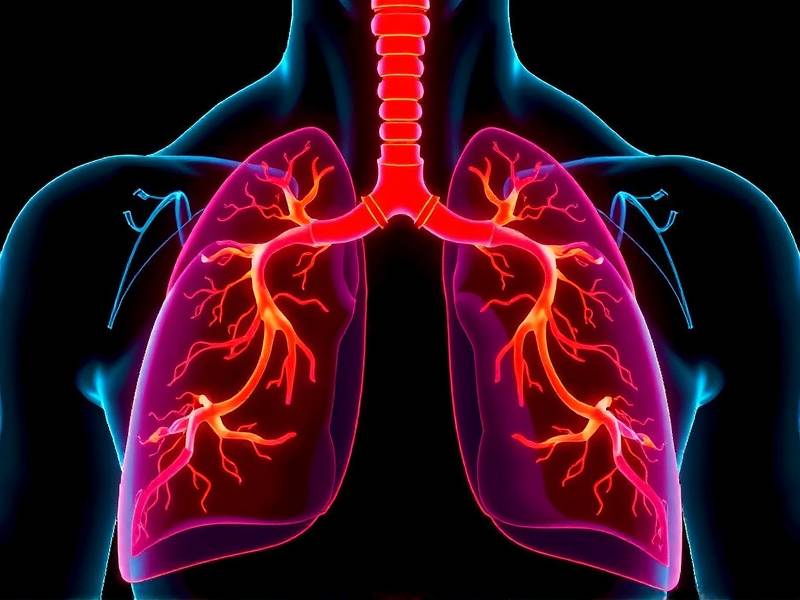
- Genetic predisposition: Some individuals may inherit a genetic susceptibility to lung cancer.
- Environmental factors: Exposure to radon gas or asbestos can increase your risk.
- Air pollution: High levels of air pollution can also raise your chances.
Can You Still Get Lung Cancer After Quitting Smoking?
Yes, it's possible to develop lung cancer even after quitting smoking. However, the risk decreases over time as your lungs heal from the damage caused by smoking.
-
The Time Factor: The longer you quit smoking, the lower your risk becomes. Studies have shown that within 5 years of quitting, the risk decreases by half compared to a continuing smoker's risk.
-
Healing Process: Your lungs will continue to heal even after you quit smoking. This healing process can take several years but significantly reduces your chances of developing lung cancer.
Conclusion:
Quitting smoking is an essential step towards reducing your risk of developing lung cancer. While it's possible to still get lung cancer after quitting smoking, taking this crucial step significantly lowers your chances and promotes overall health benefits.
Remember that regular check-ups with a healthcare provider are essential for monitoring any potential risks and early detection of any health issues that may arise. Stay vigilant about maintaining a healthy lifestyle and make informed decisions about your health journey!